(206) 707-5830

When planning a small kitchen remodel in Seattle in 2026, homeowners should be prepared for costs that reflect both regional market trends and project scope. The small kitchen remodel cost Seattle homeowners face today varies significantly based on materials, labor, and structural changes. Understanding these variables early helps set realistic expectations and avoid budget overruns.
Quick Answer: In 2026, a small kitchen remodel in Seattle typically costs between $18,000 and $32,000 for a focused refresh, while mid-range upgrades run $35,000–$65,000, and projects involving layout changes can reach $65,000–$95,000, according to Best Refinishing Seattle. Key cost drivers include cabinetry, appliances, and whether plumbing or electrical systems are modified. Many homeowners find value in strategic updates like cabinet refacing or efficient lighting, which enhance aesthetics without full reconstruction. This guide covers cost breakdowns, permitting considerations, and design choices tailored to Seattle homes—including insights on frameless cabinets for Seattle kitchen remodels and navigating remodel work that doesn't require a permit in Seattle.
Table of Contents
- Average Small Kitchen Remodel Costs in Seattle for 2026
- Key Cost Drivers in a Seattle Kitchen Remodel
- Neighborhood Cost Variations Across Seattle and the Eastside
- Budgeting Smartly: How to Plan Your 2026 Kitchen Remodel
- Maximizing ROI on Your Seattle Kitchen Remodel
- Frequently Asked Questions About Small Kitchen Remodel Costs in Seattle
Average Small Kitchen Remodel Costs in Seattle for 2026
In 2026, Seattle homeowners can expect small kitchen remodels—typically under 150 square feet—to range from $18,000 for a basic refresh to over $95,000 for high-end overhauls involving structural changes. While total cost varies widely, a more telling metric is price per square foot, which for Seattle kitchens generally falls between $700 and $1,200, depending on materials, labor, and design complexity.
Cost Breakdown by Remodel Tier
A basic remodel ($18,000–$25,000) usually includes repainting cabinets, upgrading lighting, and installing new countertops and flooring—ideal for galley kitchen remodels where layout stays intact. Mid-range projects ($35,000–$65,000) often feature semi-custom cabinetry, energy-efficient appliances, and minor plumbing updates. High-end transformations ($65,000–$95,000+) involve layout reconfiguration, premium finishes like frameless cabinets, and smart integration, often requiring permits and structural work. For a detailed comparison of cabinet options that influence these costs, see our guide on best cabinet options for small kitchens in Seattle.
Why Smaller Kitchens Can Cost More Per Square Foot
Despite their size, small kitchens often carry a higher cost per square foot. Fixed expenses—such as design fees, permitting, and contractor mobilization—are spread over fewer square feet, amplifying their impact. Additionally, working in tight spaces reduces labor efficiency, increasing hourly costs. Upgrading a galley kitchen in a Seattle condo may also involve navigating remodel work that doesn't require a permit in Seattle, but even exempt projects face spatial constraints that drive up installation time and precision.

Small kitchens cost more per square foot due to concentrated labor and fixed overhead
Key Cost Drivers in a Seattle Kitchen Remodel
Understanding what shapes your final bill is critical when budgeting for a kitchen remodel in Seattle. Unlike national averages, local market dynamics—from aging housing stock to stringent building codes—amplify certain costs. Below are the core factors that will directly influence your project’s price tag.
Project Scope and Layout Changes
Moving plumbing, electrical lines, or altering load-bearing walls significantly increases cost, especially in Seattle’s older homes where hidden structural issues often emerge. Relocating a sink even a few feet can trigger the need for new piping runs and slab modifications, quickly adding thousands. In condos or historic homes, unexpected reinforcement may be required, particularly in neighborhoods like Capitol Hill or Ballard. These structural adjustments not only raise material expenses but also extend timelines, compounding labor costs.

Permitting through SDCI is a key cost and timeline factor in Seattle remodels
Cabinetry: Stock vs. Custom in the PNW Market
Cabinetry remains one of the largest line items. Stock cabinets offer affordability at $80–$200 per linear foot but come with limited sizing and finishes, which may not suit compact or irregular layouts common in Seattle’s pre-war buildings. Semi-custom options, priced between $150–$400 per linear foot, provide better adaptability and are often the preferred balance of value and fit for small kitchens. Full custom cabinetry, ranging from $500–$1,200 per linear foot, delivers precision for tight spaces but extends lead times due to regional manufacturing capacity. For layout-specific solutions, explore our comparison of custom vs. semi-custom cabinets in Seattle.
Countertops and Backsplash: Quartz Trends and Pricing
Quartz dominates Seattle kitchens due to its durability and resistance to the region’s moisture, with installed costs running $55–$120 per square foot. Its non-porous surface resists mold—a key concern in damp climates—and requires minimal maintenance. Full backsplashes, often extending to the ceiling in modern designs, add $1,500–$3,500 depending on tile type and complexity. Local suppliers in Kent and Tukwila offer competitive pricing, but availability can affect lead times, particularly for premium finishes.

Quartz is ideal for Seattle’s wet climate—durable, low-maintenance, and mold-resistant
Appliances and Energy Efficiency Incentives
Appliance costs vary widely, but Seattle homeowners can offset expenses through rebates from Seattle City Light and Puget Sound Energy for Energy Star-certified or induction-ready models. These incentives don’t eliminate upfront costs but can reduce the net price of high-efficiency ranges, dishwashers, and heat-pump water heaters—particularly valuable in electrification-focused remodels.
Labor and Permitting in Seattle and the Eastside
Labor accounts for 35–50% of total costs—well above the national average—driven by high demand and skilled trade shortages. Contractors in Seattle typically charge $65–$95 per hour, with Eastside markets like Bellevue, Kirkland, and Redmond often at the higher end due to premium project expectations and union labor prevalence. Permits, managed by SDCI, range from $1,100–$2,800 depending on scope, with additional fees in cities like Sammamish or Issaquah due to local jurisdictional requirements. For detailed breakdowns, refer to our 2026 guide to Seattle remodel permit costs.
Neighborhood Cost Variations Across Seattle and the Eastside
Seattle vs. Eastside: A Cost Comparison
Remodeling costs in the Puget Sound region shift noticeably from city to city, shaped by local real estate values, labor availability, and material logistics. Seattle kitchen remodels typically start around $18,000 for modest updates but can climb past $95,000 in high-end neighborhoods, reflecting both elevated labor rates and stricter permitting standards. According to 360 House Remodeling, Seattle’s overall costs run 15–25% above national averages due to these combined pressures. On the Eastside, prices trend even higher. Bellevue and Kirkland see average remodels exceed $100,000, driven by larger budgets, custom design demand, and union labor prevalence. Redmond remains slightly more moderate but still commands premium pricing for tech-affluent homeowners. Issaquah and Sammamish, while more suburban, face rising costs due to land value increases and limited contractor capacity. Permits in these jurisdictions often carry additional environmental or design review fees, further inflating baseline estimates.
Urban, Suburban, and Waterfront Pricing Pressures
Urban pockets like Queen Anne or Capitol Hill introduce logistical challenges—narrow streets, limited parking, and condo HOA rules—that increase labor time and delivery complexity. These constraints can add 10–15% to project costs, especially when freight elevators or off-hour deliveries are required, as outlined in our guide to delivery elevator rules for condo remodels in Seattle. Waterfront or hillside properties in West Seattle or Mercer Island face similar hurdles, with material transport and crane usage sometimes necessary. Suburban and master-planned communities, particularly in Sammamish or Redmond, may impose design covenants that limit material choices or require premium finishes, indirectly pushing up the final bill. Home age also plays a role: older Seattle homes often need structural or system upgrades, while newer Eastside builds may prioritize high-end integration of smart appliances and induction cooking—all influencing the final kitchen remodel cost in Bellevue, WA, Kirkland, WA, and beyond.
Budgeting Smartly: How to Plan Your 2026 Kitchen Remodel
Seattle’s unique housing stock and market demands mean that even small kitchen remodels can quickly exceed budgets without careful planning. The difference between a smooth project and a financial strain often comes down to foresight, flexibility, and knowing when to invest—or hold back.
Setting a Realistic Budget with Contingency
Begin by defining your must-haves versus nice-to-haves, then allocate 10–20% of your total budget for unforeseen issues. In older Seattle homes, hidden problems like outdated wiring, plumbing corrosion, or mold are common and can significantly impact costs. Using a detailed budget template helps track line items—from cabinetry to tile—while keeping contingency funds visible and untouched until needed. For condos, factor in potential HOA fees or restrictions that may affect design choices or delivery logistics, as outlined in our guide to HOA remodeling rules for Seattle condos.
Financing Options for Seattle Homeowners
Most homeowners use home equity loans or HELOCs for remodels, offering competitive rates and tax advantages. Personal loans work well for smaller projects or those avoiding home-secured debt. Some contractors offer financing with promotional terms, but read carefully for deferred interest clauses. Weigh monthly payments against your long-term equity goals, especially in a high-appreciation market like Seattle.
Kitchen Refresh vs. Full Remodel: When to Choose Which
A strategic kitchen refresh—new paint, cabinet hardware, lighting, or refacing—can deliver a fresh look for $5,000–$15,000, a fraction of the cost of a high-end kitchen remodel in Seattle. If your layout works and systems are sound, a refresh may be the smarter move. Full remodels make sense when reconfiguring inefficient spaces or upgrading aging infrastructure. For those considering cosmetic updates, our guide to cabinet painting vs. refinishing in Seattle offers insights on maximizing impact without overextending your budget.
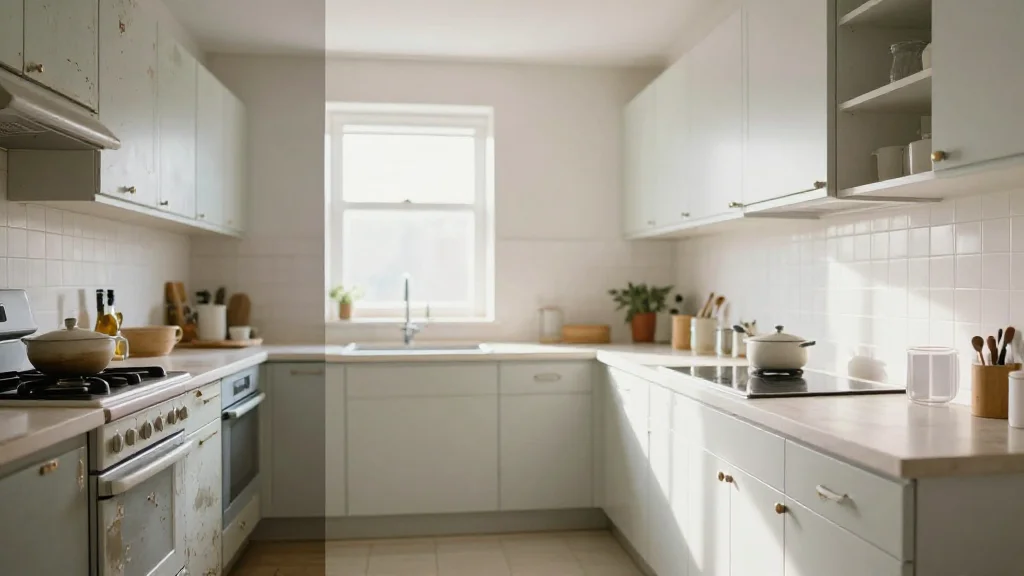
A strategic refresh can deliver a modern look without the cost of a full remodel
Maximizing ROI on Your Seattle Kitchen Remodel
Average ROI for Kitchen Renovations in Seattle
In the competitive 2026 Seattle housing market, kitchen remodels remain one of the most effective value-building investments. While national trends show minor kitchen updates recouping over 112% of their cost, the Seattle market follows a more measured trajectory. A mid-range kitchen remodel here typically returns 60–80% of its cost at resale, according to Remodeling Magazine's Cost vs. Value Report. This reflects strong buyer demand for modern, functional kitchens—especially in homes priced above $700,000. For high-end kitchen remodel Seattle homeowners consider, returns can plateau, particularly if finishes exceed neighborhood norms.
Smart Upgrades That Boost Home Value
Focus on upgrades that balance appeal and practicality. Energy-efficient appliances, durable quartz countertops, and neutral color palettes attract broad buyer interest without over-personalizing. Improving layout flow—such as opening sightlines to the dining area or optimizing work triangles—adds measurable value. Semi-custom cabinetry, like the options explored in our guide to best cabinet options for small kitchens in Seattle, offers a sweet spot between cost and customization. These choices align with buyer expectations while supporting long-term appreciation.
Avoiding Over-Improvement in Your Neighborhood
Even in high-appreciation areas like Bellevue or Ballard, over-improving can backfire. Installing luxury features—such as smart lighting systems or imported stone—may not pay off in mid-tier neighborhoods like Renton or West Seattle. The key is alignment: a $95,000 kitchen in a $800,000 home may boost value, but the same investment in a $600,000 condo could exceed local comps. Assess recent sales in your immediate area before finalizing plans.
Frequently Asked Questions About Small Kitchen Remodel Costs in Seattle
How much does a 10x10 kitchen remodel cost in Seattle?
A mid-range 10x10 remodel with updated finishes, new quartz countertops and backsplash, and stock or semi-custom cabinetry typically falls between $25,000 and $40,000. This range assumes no structural changes and standard electrical and plumbing updates, aligning with the average kitchen remodel cost per square foot in Seattle.
Is a kitchen refresh worth it in Seattle?
Yes—for homeowners planning to sell or modernize without major disruption. Replacing cabinet fronts, upgrading hardware, installing a durable quartz backsplash, or choosing cost-effective options like cabinet painting vs refinishing in Seattle can deliver strong aesthetic impact at a fraction of a full remodel’s price.
Do I need a permit for a small kitchen remodel in Seattle?
Permits are required for any work involving electrical, plumbing, or structural modifications. Simple cosmetic updates like painting or replacing flooring typically don’t need approval—see our guide to remodel work that doesn’t require a permit in Seattle for specifics.
How long does a small kitchen remodel take in Seattle?
Most projects take 6 to 12 weeks. According to NW Homeworks, a typical mid-range remodel runs 6–8 weeks, with an additional 2–4 weeks if structural permits are needed. Material delays and contractor availability can extend timelines, especially in high-demand neighborhoods.