(206) 707-5830

Planning a glass shower enclosure for your Seattle bathroom? The cost question hits first—and for good reason. A quality glass shower enclosure cost varies widely depending on materials, configuration, and installation complexity, but understanding the local pricing landscape helps you budget accurately and avoid costly surprises.
Quick Answer: According to HomeGuide, frameless glass shower enclosures typically cost $800 to $3,600 installed nationally, with most homeowners spending between $1,000 and $2,500 for complete frameless installations. Seattle's labor market and regional material availability can shift these figures, which we'll break down throughout this guide.
This article covers the full pricing picture for Seattle homeowners: how different glass types (frameless, framed, semi-frameless) affect cost, what labor rates actually look like in the PNW, material quality tiers, and hidden factors that contractors factor in. By the end, you'll know exactly what to expect when getting quotes.
Table of Contents
- What Determines Glass Shower Enclosure Costs in Seattle Bathrooms
- Glass Types, Thickness & Treatments: How They Affect Seattle Pricing
- Frameless vs. Framed Enclosures: Installation Costs in Seattle
- Seattle Labor & Installation Costs for Glass Shower Enclosures
- Related Bathroom Remodel Costs to Factor Into Your Seattle Project Budget
- Getting Accurate Quotes for Your Seattle Glass Shower Enclosure
What Determines Glass Shower Enclosure Costs in Seattle Bathrooms
Glass shower enclosure costs in Seattle depend on five interconnected factors: material selection, labor rates, installation complexity, local building codes, and hardware finishes. Understanding how each plays into your total cost helps you allocate your budget wisely rather than discovering expensive surprises mid-project.
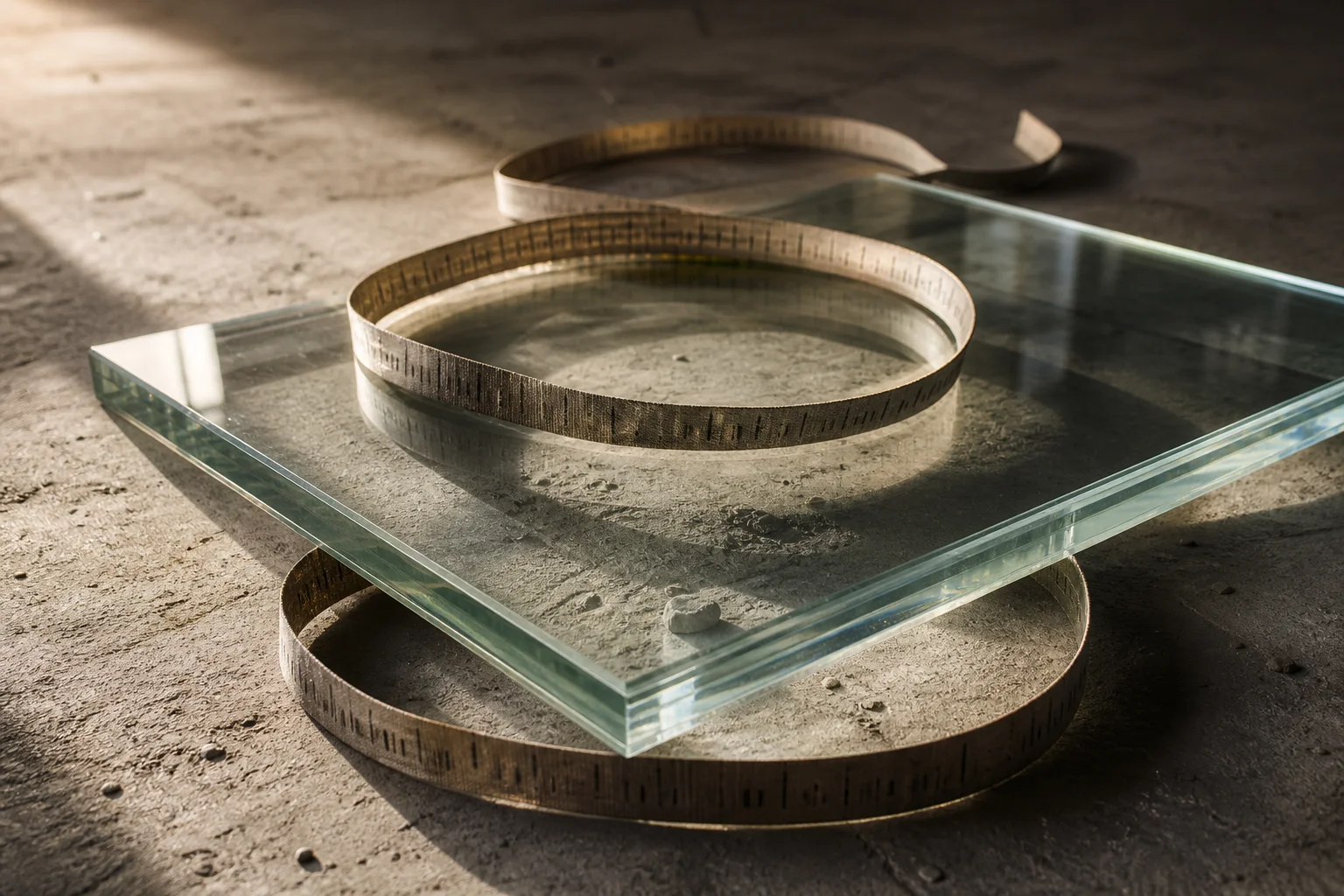
Material and precision drive the base cost of your enclosure.
Material Costs vs. Labor Costs in Seattle Projects
Materials typically represent 40–50% of your total enclosure cost, while installation labor makes up the remainder. The good news is that glass and hardware prices remain relatively stable across regions. The challenge is labor: as noted across Supanet's 2026 research, King County construction labor rates run 25–40% above national averages. Skilled trades in the Seattle area command $95 to $135 per hour, making even straightforward installations more expensive than in other markets.
This means a frameless enclosure priced at $1,200 nationally might cost $1,500–$1,800 installed in Seattle once local labor is factored in. Semi-frameless and framed options compress this premium slightly since they require less precision during installation.
How Seattle Climate & Building Codes Impact Pricing
Seattle's rainy climate and strict building codes directly influence enclosure specifications and labor hours. The city prioritizes waterproofing behind shower tile to prevent moisture intrusion into wall cavities—a requirement that adds complexity and cost to installation. Contractors must ensure proper slope, membrane installation, and ventilation before glass goes in, which extends timeline and labor charges.
Additionally, larger format tile shower designs—increasingly popular in Seattle remodels—demand more precise framing and waterproofing protocols, which pushes installation time upward. Permits for bathroom remodels involving plumbing fixtures like showers typically add $400–$800 to your budget, plus 2–4 weeks to your timeline.
Building code compliance also means specific hardware grades and sealant materials are non-negotiable, eliminating budget corner-cutting on these components. Understanding these regional factors upfront prevents managing costly change orders later in your project.
Glass Types, Thickness & Treatments: How They Affect Seattle Pricing
The glass itself accounts for 30–40% of your enclosure budget, and your choice of type and thickness dramatically shifts pricing. Seattle's moisture-heavy climate makes glass selection more than aesthetic—it's a durability decision that affects cleaning effort and long-term maintenance costs.
Standard Tempered vs. Low-Iron Glass: Price & Appearance
Standard tempered glass offers solid performance at a lower price point, but low-iron glass (ultra-clear) eliminates the faint green tint, delivering crystal clarity that elevates bathroom aesthetics, especially in larger, open-plan layouts. According to IDEAL Shower Doors, low-iron glass typically costs $10–$15 per square foot more than standard clear glass, adding $300 to $650 for a typical 5-foot frameless enclosure.
Thickness also matters: upgrading from ⅜-inch to ½-inch glass adds 30–50% to glass cost but delivers the substantial, premium feel many homeowners expect and better sound dampening in smaller bathrooms.
Water-Spot Treatments & Coatings: Added Cost vs. Long-Term Savings
Seattle's hard water makes protective coatings sensible long-term investments. Hydrophobic treatments like EnduroShield or ShowerGuard add $50–$150 upfront but significantly reduce water spots, soap scum, and cleaning frequency, lasting 5–10 years or more.
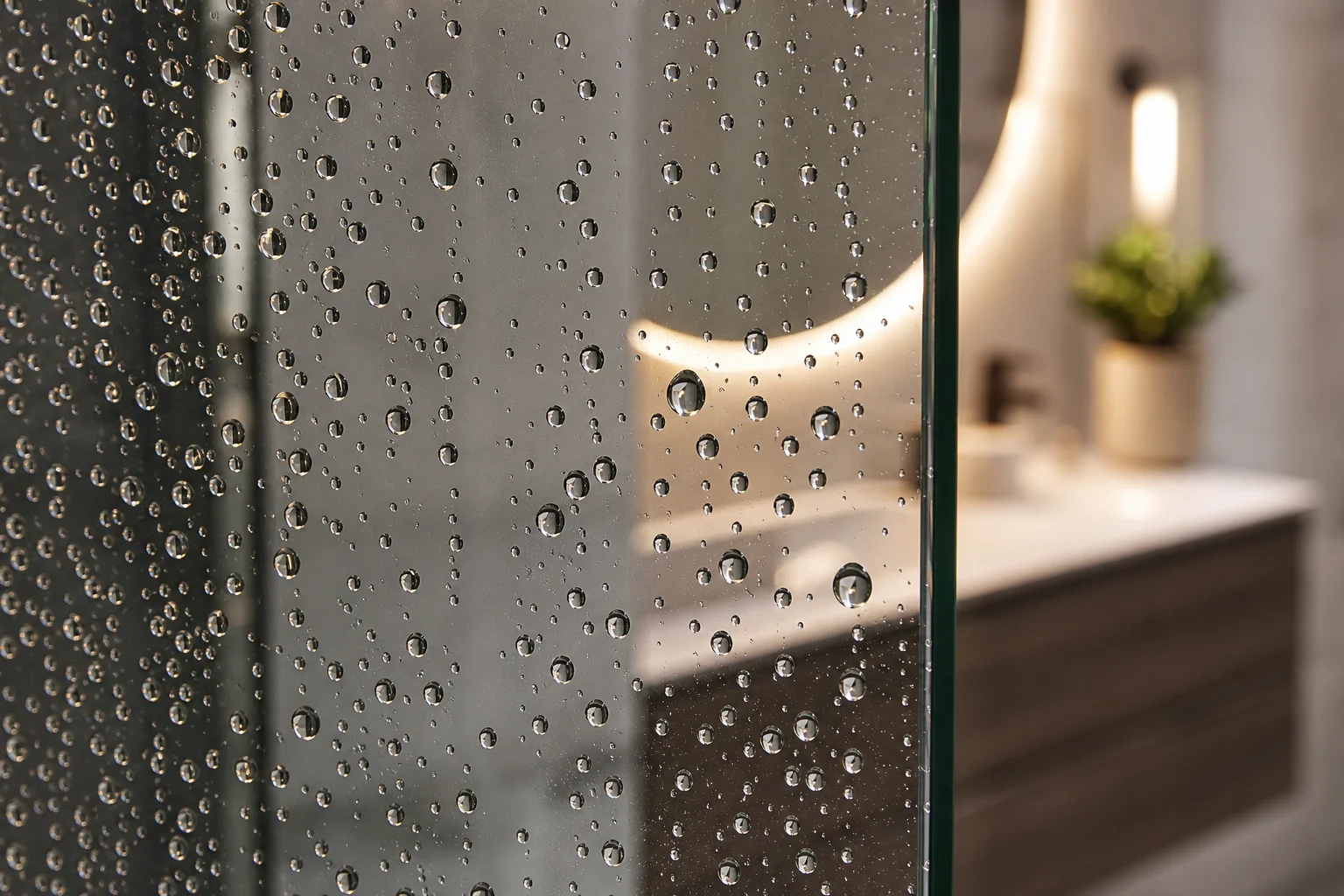
Hydrophobic coatings reduce cleaning frequency in hard water areas.
| Glass Option | Cost Difference | Best For | Durability |
|---|---|---|---|
| Standard Tempered, ⅜" | Baseline | Budget-conscious projects | Good (5+ years) |
| Low-Iron, ⅜" | +$300–$650 | Large enclosures, open bathrooms | Good (5+ years) |
| Low-Iron, ½" | +$450–$1,000 | Premium frameless designs | Excellent (7+ years) |
| With protective coating | +$50–$150 | High-moisture environments | Excellent (10+ years) |
Pair your glass choice with proper grout selection—the best grout for shower Seattle climates resists moisture absorption and mold growth, complementing your glass investment and reducing overall maintenance demands throughout the lifetime of your enclosure.
Frameless vs. Framed Enclosures: Installation Costs in Seattle
The cost gap between frameless and framed enclosures is substantial. According to HomeGuide's 2026 pricing data, frameless shower doors run $600–$1,900 installed, while framed models cost $400–$1,100—a 40–60% premium for going frameless. That upfront difference reflects labor complexity and hardware specifics.
Frameless enclosures demand precision engineering. They rely on heavy-duty U-channels, stainless steel hardware, and clip systems to support glass without a perimeter frame, requiring exact measurements and careful anchoring to tile or stone. Installers must cut custom holes for clips, ensure perfect spacing for drainage, and handle thicker glass (⅜" or ½" tempered) that weighs significantly more than standard panes. Framed designs, by contrast, use aluminum or vinyl frames that conceal rough edges and imperfections, making installation faster and more forgiving.
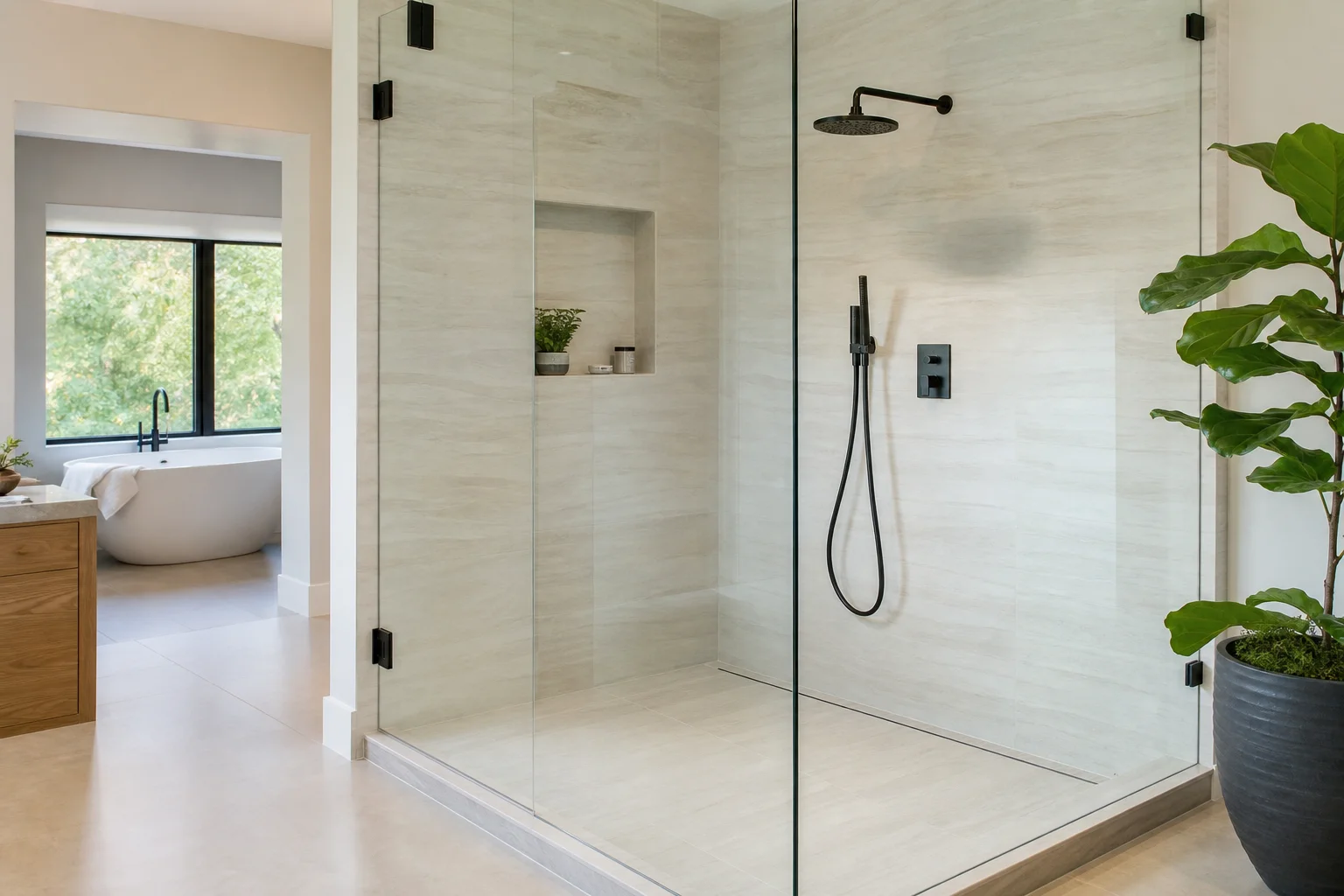
Frameless designs require precise installation but offer a sleek, modern look.
Seattle remodelers increasingly favor frameless for contemporary bathroom designs. The unobstructed glass creates visual openness—critical in smaller Seattle bathrooms—and pairs seamlessly with modern fixtures like double shower head remodel configurations, where dual spray patterns benefit from the clean sightlines frameless designs provide. Maintenance is easier too: frameless enclosures eliminate frame crevices where mold harbors and soap scum accumulates.
The labor premium typically adds $250–$600 to your project cost, depending on your bathroom's structural layout and existing tile condition. However, if you're planning a high-end remodel with premium finishes and contemporary fixtures, many Seattle contractors argue the frameless investment is non-negotiable for overall design coherence. For budget-conscious renovations, framed enclosures remain practical and effective.
Seattle Labor & Installation Costs for Glass Shower Enclosures
Installation labor typically represents 40–60% of your total glass enclosure cost, making it the single largest expense after materials. According to This Old House, standard shower door installation labor ranges from $200 to $600 in 2026, with installers charging $50 to $100 per hour for most projects. A straightforward frameless installation generally takes 2 to 4 hours, but this timeline expands significantly for complex configurations.
Walk-in shower remodels in Seattle typically cost more in labor because installers must coordinate custom waterproofing prep, ensure proper slope for drainage, and manage tile substrate preparation before glass installation. Curbless shower designs present additional challenges—technicians need to integrate seamless floor transitions with precise sloping to prevent water escape, requiring meticulous subfloor and membrane work that adds time and expertise.
Seattle contractors also factor local building codes and inspection requirements into labor pricing. The city's strict Department of Construction and Inspections (SDCI) standards mean installers must verify waterproofing integrity, check all fastening points, and ensure compliance before final inspection. This adds a quality-assurance layer that freelance installers or out-of-state crews often overlook.
Typical project duration spans 2–7 days from measurement to completion. Custom and semi-custom enclosures may require 2–3 weeks for fabrication alone, after which installation still takes several days. When planning your budget, account for this timeline—rushing labor often leads to costly rework. If you're coordinating with other bathroom trades, labor sequencing becomes critical; poorly timed installations can delay your entire remodel schedule.
Related Bathroom Remodel Costs to Factor Into Your Seattle Project Budget
A glass shower enclosure rarely stands alone. Once you commit to upgrading your shower, related work often follows—and these ancillary costs can rival or exceed the enclosure expense itself. According to research on Seattle bathroom remodels, a mid-range full bathroom remodel costs $22,000–$42,000 in 2026, with tile work and waterproofing representing the largest single cost component. Understanding what typically gets bundled—and what's optional—helps you avoid budget surprises mid-project.
Ventilation & Waterproofing: Why These Add to Overall Project Cost
Seattle's wet climate demands robust ventilation and waterproofing that goes beyond aesthetic choices. Code-compliant bathroom exhaust fans rated for shower moisture (typically 50–80 CFM) cost $300–$800 installed, and many older Seattle homes lack adequate ducting, requiring new ductwork runs that add $400–$1,200 in labor and materials. Behind-the-tile waterproofing—a sealed membrane layer critical for preventing mold and structural damage—adds $8–$15 per square foot of tile area. Because the city's Department of Construction and Inspections requires third-party verification of these systems before final approval, cutting corners here triggers costly rework and inspection delays costing hundreds more.
Upgrade Opportunities: Shower Niches, Heated Floors & Other Additions
Smart additions often emerge during planning. Shower niches (built-in shelving) run $200–$400 each; heated bathroom floor systems cost $3,000–$8,000 for a full bathroom and deliver long-term comfort and property appeal. Tub-to-shower conversions require plumbing relocation ($1,200–$2,500), while large-format tile and dual showerheads add aesthetic value. When managing scope expansion, formal change orders prevent disputes and keep budgets transparent.
Getting Accurate Quotes for Your Seattle Glass Shower Enclosure
When requesting quotes from Seattle bathroom remodelers, specificity prevents costly surprises. Here's what to include in your quote request:
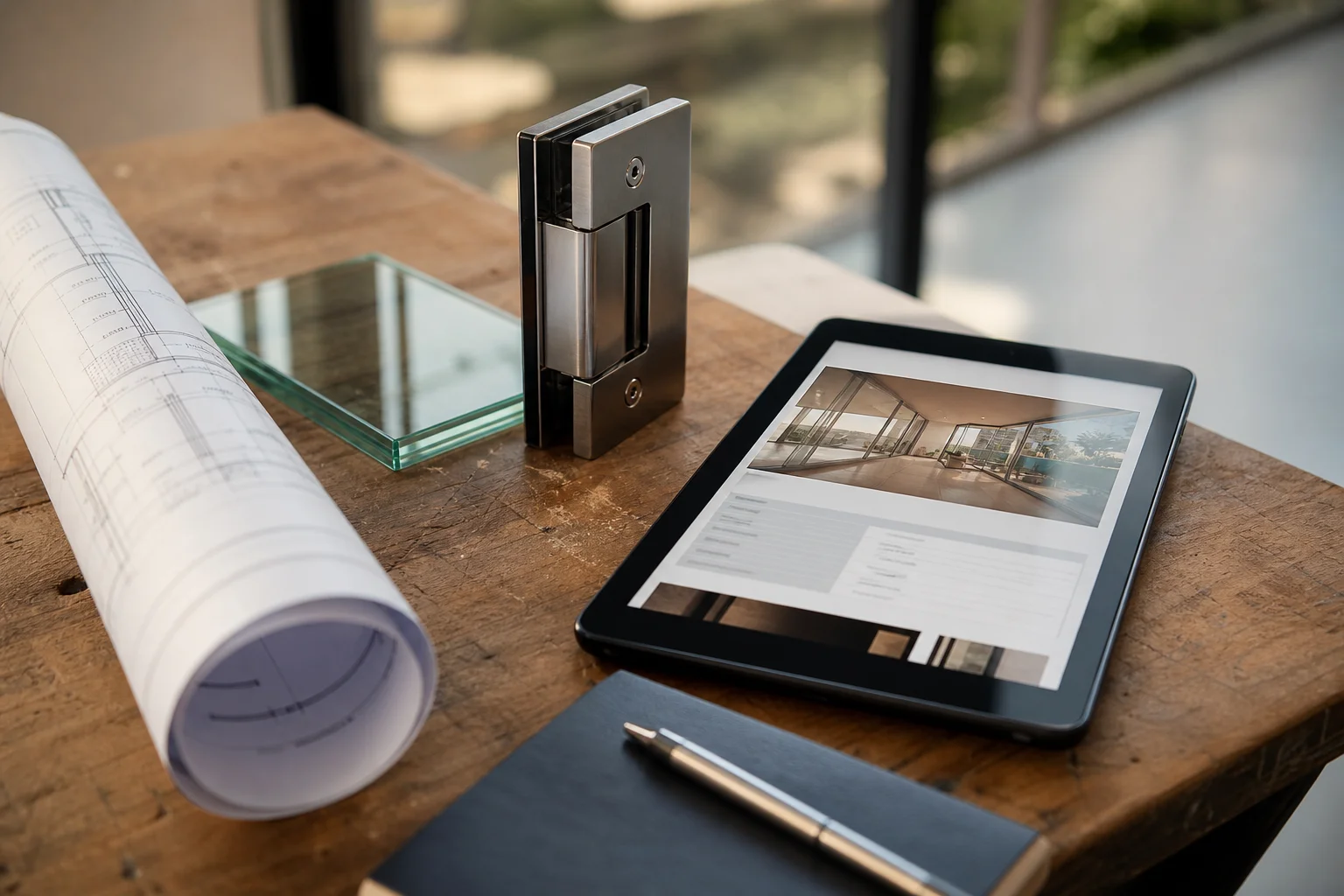
Detailed quotes help you compare materials and labor costs effectively.
- Glass specifications — Type (tempered, frameless, low-iron), exact thickness (3/8" or 1/2"), and any treatments (anti-fog, rain texture, or UV coating)
- Installation style — Frameless, semi-frameless, or framed; dimensions and configuration (sliding, hinged, corner, or walk-in)
- Related work scope — Waterproofing layers, tile installation, ventilation upgrades, and any plumbing or structural changes
- Seattle-specific requirements — Permits, Department of Construction and Inspections inspections, and third-party verification of waterproofing systems
- Contractor overhead — Confirm whether quotes include general contractor overhead. According to Homewyse, general contractor overhead typically adds 13–22% to installation costs
- Warranty and guarantees — Labor warranties, glass replacement terms, and waterproofing guarantees
Request itemized quotes breaking down materials, labor, and permits separately. This transparency lets you compare apples-to-apples and identify where costs diverge. Compare at least three local providers; experienced Seattle remodelers understand local code quirks that inexperienced installers often miss. When scope changes emerge, clear change orders protect both you and the contractor and prevent budget drift.