(206) 707-5830

The permit cost for a remodel in Seattle typically ranges from $400 to $6,000+, depending on the project’s scope, valuation, and required approvals. Understanding these fees early is crucial for homeowners planning a renovation, as the Seattle Department of Construction and Inspections (SDCI) mandates permits for most structural, electrical, plumbing, and mechanical upgrades. Whether you're remodeling a kitchen, updating a bathroom, or undertaking a whole-home renovation, securing the necessary authorizations ensures compliance with local codes and prevents costly delays. Approval fees vary based on construction value and complexity, so factoring them into your initial budget helps avoid financial surprises and keeps your project on track.
Quick Answer:
Permit costs in Seattle vary by project scope, but according to PermitCalculator's 2026 SDCI fee tables, bathroom remodel permits typically cost $1,590 and kitchen remodel permits cost $2,130. Smaller projects like cabinet refinishing or cosmetic updates may require minimal permits, while major structural work can exceed $3,000. Exact fees depend on project valuation and complexity.
This guide walks you through realistic permit pricing for different remodel types, explains what triggers permit requirements, and shows you how to factor these costs into your overall project budget. You'll learn whether you need permits for your specific bathroom or kitchen remodel in Seattle, and discover strategies to manage these mandatory expenses without cutting corners on safety or compliance.
When Permits Are Required for Seattle Remodels
Not every remodel project in Seattle requires a permit. The Seattle Department of Construction and Inspections (SDCI) distinguishes between work that triggers mandatory permitting and cosmetic updates that don't. Understanding this difference early helps you avoid costly delays and ensures your project stays compliant with local building codes.
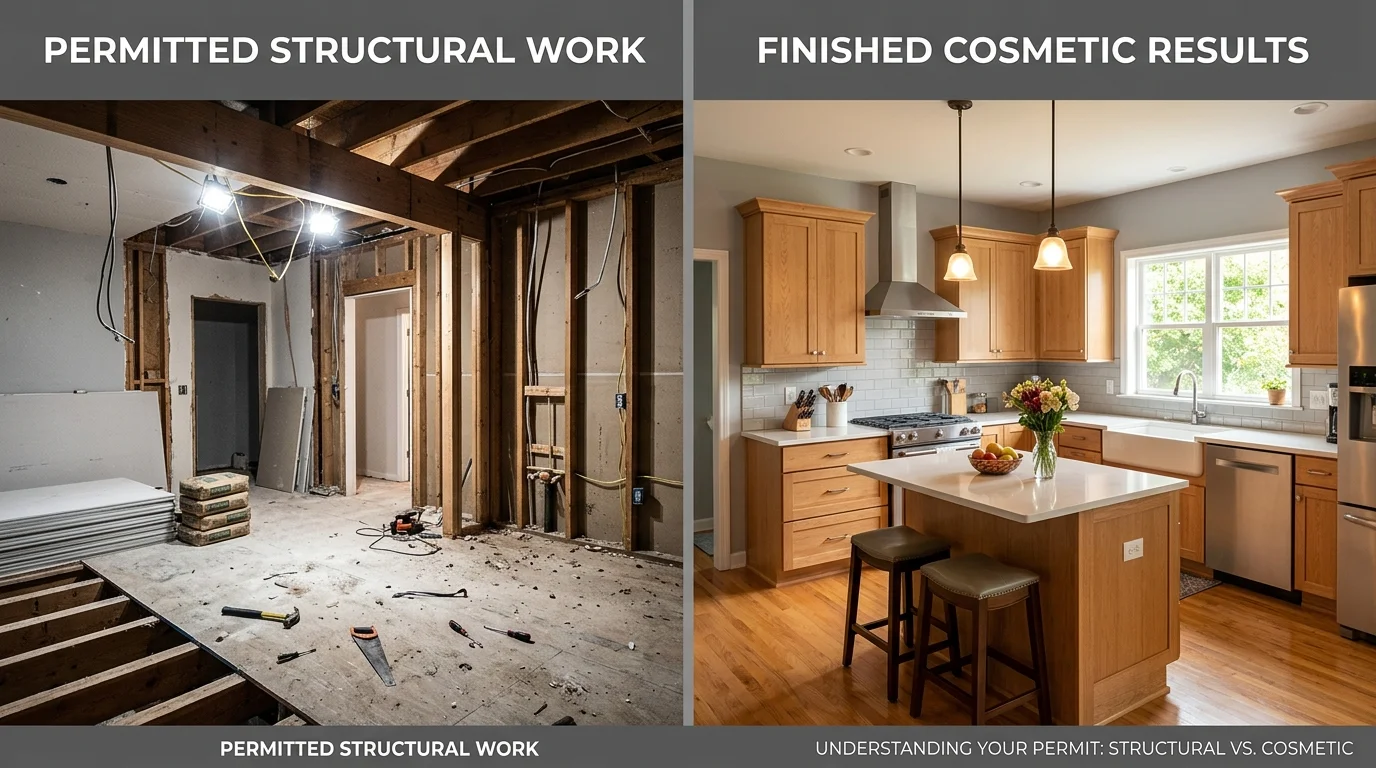
According to the Seattle SDCI's permit requirements, projects involving structural changes, plumbing modifications, electrical upgrades, mechanical system work, or changes to load-bearing elements always require permits—regardless of project cost. However, minor repairs and alterations costing $6,000 or less in any six-month period may not require permits, with important exceptions for work affecting the building envelope, egress, light, ventilation, or fire resistance. This distinction matters because unpermitted work can create liability issues, complicate future home sales, and void insurance coverage.
Projects That Require Permits
Any structural modification demands a permit. This includes removing or relocating walls, reinforcing floor joists, adding support beams, or altering the home's framing. Plumbing work always requires permitting—moving drain lines, adding new fixtures, relocating water supply lines, or installing new bathrooms all need SDCI approval. Electrical upgrades are similarly non-negotiable: new circuits, panel upgrades, relocating outlets or switches, and any work affecting your home's electrical system require permits.
Mechanical system changes also trigger permit requirements. Installing new HVAC systems, replacing furnaces, adding ventilation hoods, or modifying ductwork all need inspection. Load-bearing wall modifications are particularly strict; any work that affects your home's structural integrity requires both a permit and professional engineering review. If you're uncertain whether your specific work qualifies, SDCI staff can clarify during a pre-project consultation.
Cosmetic Updates That Don't Need Permits
Painting walls, refinishing cabinets, and replacing fixtures without moving rough-in locations typically don't require permits. Cabinet replacement that doesn't involve structural changes or electrical work often falls outside permit requirements. Flooring installation, countertop replacement, and hardware upgrades are generally cosmetic and don't need approval. However, the moment you move plumbing fixtures, add new electrical outlets, or modify cabinet locations to accommodate different layouts, you've crossed into permit territory.
When in doubt, contact SDCI directly or consult with your contractor. Many homeowners assume a project is cosmetic only to discover mid-renovation that permit work was needed. This early clarity prevents expensive rework and keeps your project timeline realistic.
Seattle Permit Cost Breakdown by Project Type
Seattle's permit fees scale directly with project valuation, square footage affected, and the number of trade permits required. The Seattle Department of Construction and Inspections (SDCI) calculates fees based on construction cost estimates—the higher your project value, the higher your permit costs. As of 2026, construction permit and Master Use Permit fees have increased by 18 percent year-over-year, with the SDCI base hourly rate now at $292 per hour, making early budget planning essential. For the most accurate and up-to-date fee schedule, always refer to the official SDCI permit fee table.
Most residential remodels require multiple permits: a building permit (for structural work), plumbing permit (for fixture relocation or new drains), electrical permit (for outlet/switch additions or panel upgrades), and sometimes a mechanical permit (for HVAC changes). Each trade permit carries its own inspection fee, which compounds the total cost. The table below shows realistic 2026 cost ranges based on project scope and complexity.
| Project Type | Estimated Project Cost | Total Permit Fees | Typical Timeline |
|---|---|---|---|
| Small bathroom update | $15,000–$25,000 | $400–$1,200 | 2–3 weeks |
| Medium kitchen remodel | $40,000–$60,000 | $1,200–$2,000 | 3–4 weeks |
| Full bathroom renovation | $25,000–$40,000 | $800–$1,700 | 2–3 weeks |
| Large kitchen remodel | $75,000–$120,000 | $2,000–$3,500 | 4–6 weeks |
| Whole-home remodel | $150,000+ | $3,500–$6,000+ | 6–8 weeks |
Types of Permits and Individual Fees for Seattle Remodels
When you submit a remodel project to Seattle's Department of Construction and Inspections (SDCI), you're not paying a single permit fee. Instead, you're paying for multiple permits—each one addressing a different aspect of your work. Understanding this breakdown helps you budget accurately and avoid sticker shock when the invoice arrives.
Most kitchen and bathroom remodels require at least two or three separate permits, and each one carries its own fee structure. The costs compound quickly, which is why a project that seems straightforward on the surface can generate substantial permit expenses. The SDCI maintains current fee schedules online, and these fees are updated annually, so it's worth checking their official website before finalizing your budget.
Building Permit Costs
The building permit is your primary permit—the foundational approval that covers the overall construction work. Seattle uses a valuation-based fee system where the cost depends on the estimated construction value of your project. According to PermitCalculator, the first $1,000 of construction value costs $325, then adds $1.60 for each additional $100 of value. The city charges the full amount for both the permit fee and plan review fee separately, plus a 5% technology fee and $6.50 state surcharge.
This means a $30,000 kitchen remodel generates a significantly higher building permit fee than a $10,000 bathroom refresh. For a Bellevue kitchen remodel permit or a Bellevue bathroom remodel permit, the same valuation-based structure applies, though Bellevue's fee tables may differ slightly. The building permit covers structural changes, wall modifications, and general construction oversight. Plan review—where the city examines your drawings—is bundled into this cost but calculated separately, which is why your invoice shows two line items for what feels like one permit.
Trade Permit Costs (Plumbing, Electrical, Mechanical)
Beyond the building permit, you'll need individual permits for each trade involved in your work. A plumbing permit covers fixture installation, water line modifications, and drain work. According to PermitCalculator, plumbing permits in Seattle start at $132 plus $26 per fixture. A typical bathroom with five fixtures costs $262 for the plumbing permit alone. An electrical permit covers new circuits, panel upgrades, and outlet installation—these typically range from $150 to $400 depending on scope. A mechanical permit handles ventilation systems, ductwork, and HVAC modifications, usually running $100 to $300.
The compounding effect becomes clear quickly. A full bathroom remodel might need a building permit ($600–$1,200), a plumbing permit ($262–$400), and an electrical permit ($200–$350), totaling $1,062–$1,950 before expedited review or structural engineering fees. Kitchen remodels often require all three trade permits plus potentially a gas permit if you're installing a gas range, pushing total permit costs even higher. This is why contractors emphasize the importance of detailed scope planning early—every trade you add increases your permit expenses proportionally.
| Permit Type | Typical Cost Range | What It Covers |
|---|---|---|
| Building Permit | $325–$2,500+ | Overall construction, structural changes, plan review |
| Plumbing Permit | $132–$500+ | Fixtures, water lines, drain work |
| Electrical Permit | $150–$400 | Circuits, outlets, panel upgrades |
| Mechanical Permit | $100–$300 | Ventilation, ductwork, HVAC |
| Gas Permit | $75–$200 | Gas line installation, appliance connections |
Seattle Permit Timeline and How It Affects Total Cost
The timeline for permit approval directly impacts your project budget—delays extend labor costs, contractor scheduling, and carrying costs on borrowed funds. Understanding Seattle's review process helps you anticipate expenses and plan accordingly.
Seattle's Department of Construction and Inspections (SDCI) operates on two primary pathways: standard review and expedited processing. According to Seattle SDCI's official guidelines, simple permits typically complete initial review within 2–3 weeks, while complex projects require up to 8 weeks. However, the timeline doesn't end with approval—inspections and final sign-off add another 2–4 weeks to most residential remodels.
The fee structure compounds this timeline pressure. You'll pay 75 percent of estimated fees upfront when your application is accepted, with final charges calculated after plan review concludes. This means you're committed financially before knowing the exact approval timeline, making delays particularly costly.

Standard vs. Expedited Review
Standard review processes applications sequentially, with plan reviewers examining structural integrity, code compliance, and trade-specific requirements. Most kitchen and bathroom remodels fall into the standard category, taking 4–6 weeks from acceptance to permit issuance.
Expedited review accelerates this timeline but carries additional fees—typically 50–100 percent above standard permit costs. This option works best for simpler projects like fixture replacements or non-structural work. For complex remodels involving structural changes or multiple trades, expedited review may only shave 1–2 weeks off the timeline while significantly increasing costs, making it less cost-effective.
Inspection and Approval Timelines
Once your permit issues, scheduling inspections becomes critical. Bathroom and kitchen remodels typically require 3–5 inspections: framing, plumbing rough-in, electrical rough-in, mechanical systems, and final inspection. Each inspection must be scheduled separately, and weather delays or inspector availability can extend timelines by weeks.
The final inspection after remodel in Seattle represents your last compliance checkpoint. Plan for 1–2 weeks between your contractor's completion and final approval—inspectors often identify minor corrections requiring rework before sign-off. Budget an extra $500–$1,000 for potential remedial work discovered during final inspection.
Why Skipping Permits Costs More in the Long Run
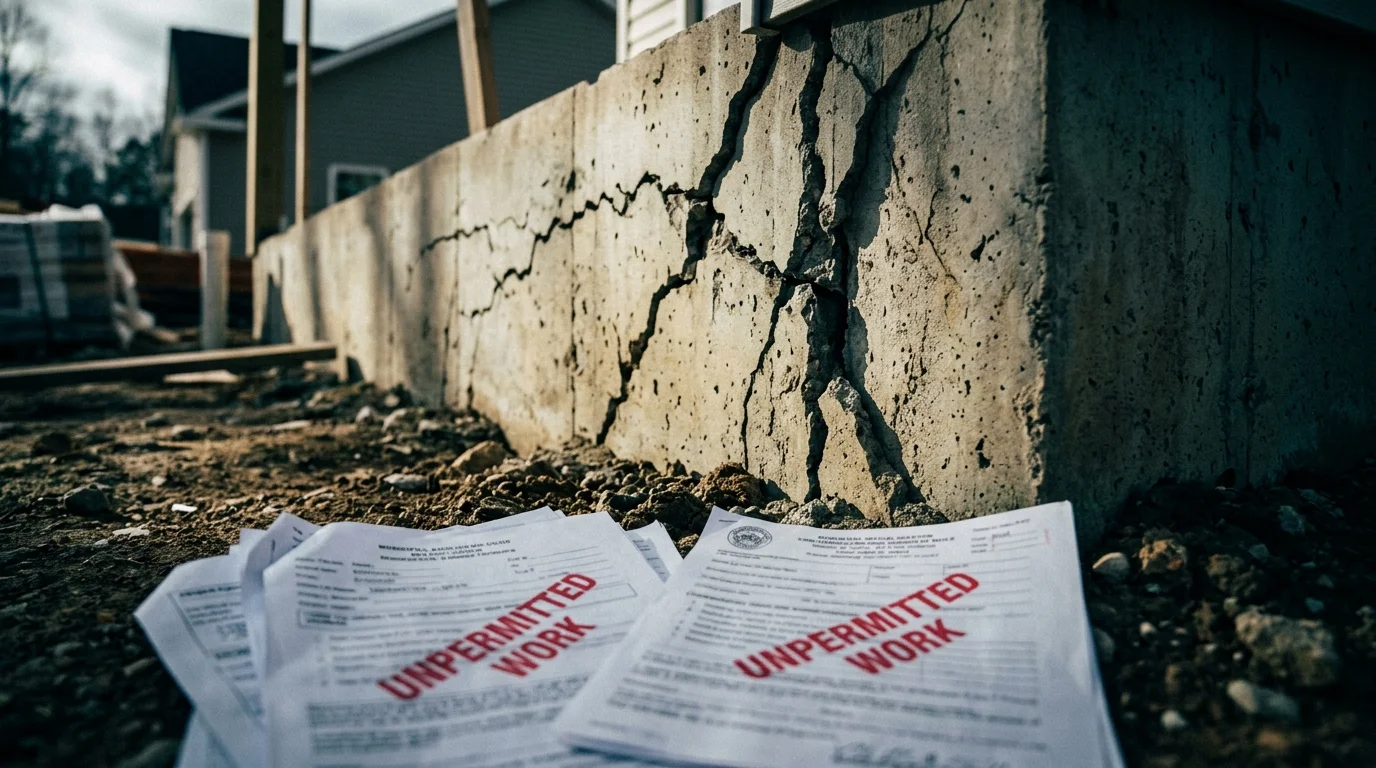
The temptation to skip permits is understandable—they add time and expense to your remodel budget. But this short-term thinking creates exponentially larger costs down the road. According to PermitCalculator, unpermitted work in Seattle triggers special investigation fees based on project valuation, with fines reaching up to $500 per day until corrected, plus reinspection fees of $146 each time. These penalties alone can dwarf the original permit cost for remodel Seattle homeowners were trying to avoid.
The financial consequences extend far beyond fines. Seattle may issue stop-work orders for construction without proper permits, and unpermitted work can require you to pay double the standard permit fees for retroactive approval. When you sell your home, a title search or home inspection will likely uncover undocumented work. Buyers' lenders will demand remediation—meaning you'll either renegotiate the sale price downward (often losing 10–20% of equity) or fund expensive corrective work yourself. Insurance companies may deny claims for damage caused by unpermitted work, leaving you personally liable for accidents or failures.
The real estate market has zero tolerance for surprises. Undisclosed unpermitted remodeling creates title defects that prevent closing, kill buyer confidence, and trigger costly legal disputes. What seemed like a $2,000 permit savings can easily cost $15,000–$50,000 in remediation, price reductions, or legal fees when discovered during resale.
Permits exist to protect your investment and ensure structural safety. The small upfront cost is genuine insurance against catastrophic financial and legal exposure.
Getting Your Seattle Remodel Permit: Next Steps
Start by contacting Seattle's Department of Construction and Inspections (SDCI) directly—either online at their website or by phone—to confirm which permits your specific project requires. Describe your scope of work in detail: are you moving walls, upgrading electrical or plumbing, replacing windows, or just finishing surfaces? SDCI staff can tell you exactly which trade permits apply and provide the current fee schedule. This conversation typically takes 15–20 minutes and eliminates guesswork about permit cost for remodel Seattle projects.
Next, gather your project documents: architectural drawings, contractor bids, material specifications, and proof of property ownership. If you're uncertain about permit requirements or want to ensure nothing is missed, hire a permit expediter or work with a contractor experienced in Seattle code. Many remodeling firms, including PNW Standard Remodel, handle permit coordination as part of their service—they know SDCI's current workflows, common rejection reasons, and which inspections are scheduled sequentially versus in parallel. This expertise often saves weeks and prevents costly rework.
Submit your application online through SDCI's permit portal or in person. Budget 2–4 weeks for initial review; complex projects may require plan corrections and resubmission. Once approved, you'll receive your permit number and inspection schedule. Keep these documents accessible on-site throughout construction—inspectors will need to verify compliance at framing, rough-in, and final stages. Staying organized now prevents delays and additional fees later.