(206) 707-5830

Getting HOA approval before remodeling your Seattle condo isn't just a bureaucratic formality—it's a critical step that protects your investment and keeps you on the right side of your building's governing documents. Many condo owners dive into kitchen or bathroom renovations without realizing that their homeowners association has authority over structural changes, materials, and even construction timelines. Understanding these rules upfront saves you from costly delays, fines, or being forced to undo completed work.
Quick Answer: Yes, you need HOA approval for virtually any condo remodel in Seattle, including kitchen and bathroom updates that involve plumbing, electrical work, or shared systems. Most HOAs require written approval before construction begins, and some mandate specific design standards or contractor requirements. The approval process typically takes 2–4 weeks, so plan accordingly before starting your project.
This guide walks you through the entire HOA approval process for Seattle condo remodels, from understanding what your HOA actually controls to submitting your application and navigating common obstacles. You'll learn what documents you need, how to work with your building management, and strategies for getting approval faster. We'll also cover Seattle condo remodel permits alongside HOA rules, since these two approval tracks often run parallel and can affect your timeline significantly.
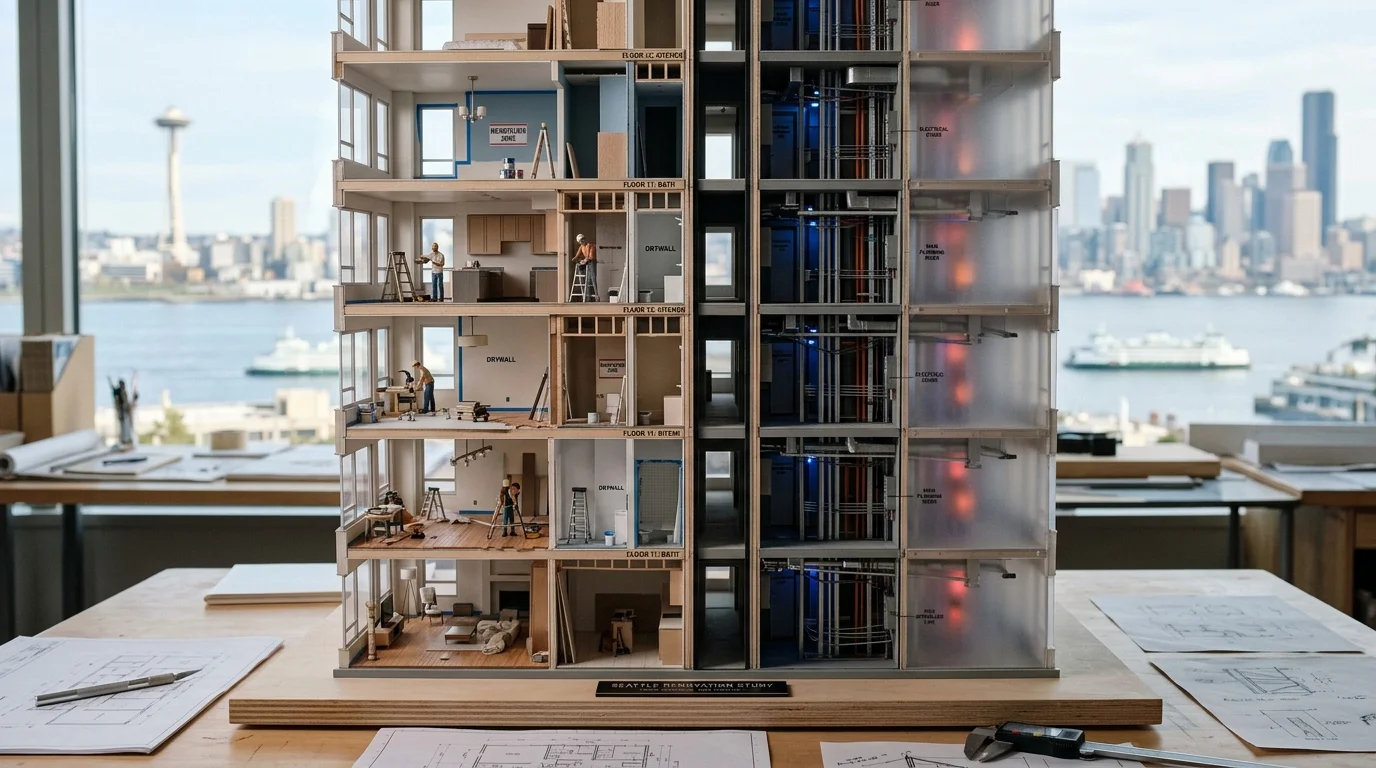
Table of Contents
- Understanding When You Need HOA Approval for Condo Renovations
- Projects That Require HOA Approval
- Projects That Usually Don't Require Approval
- The HOA Approval Process: Step-by-Step for Seattle Condos
- Preparing Your Remodeling Proposal
- Submitting Your Application to the HOA
- Addressing HOA Concerns and Revisions
- Seattle Permits and Building Requirements for Condo Remodels
- What Triggers a Seattle Building Permit
- The Permit Application Timeline
- Managing Logistics: Elevators, Debris, and Neighbor Considerations
- Elevator and Common Area Access Rules
- Noise, Dust, and Quiet Hour Compliance
- Cost Expectations: Budgeting for Condo Bathroom and Kitchen Remodels in Seattle
- Bathroom Remodel Cost Factors
- Kitchen Remodel Budget Considerations
- Planning Your Seattle Condo Remodel: Next Steps
Understanding When You Need HOA Approval for Condo Renovations
The line between what requires HOA approval and what doesn't isn't always obvious—and getting it wrong can be expensive. Most Seattle condo boards distinguish between projects that affect shared systems, structural integrity, or the building's exterior versus purely cosmetic updates confined to your unit. Understanding this distinction upfront prevents costly rework and keeps you compliant with your building's governing documents.
Projects That Require HOA Approval
Any renovation involving structural changes, mechanical systems, or modifications visible from common areas almost always needs written approval before work begins. This includes kitchen and bathroom remodels that touch plumbing, electrical, or HVAC systems—even if the changes are entirely within your unit's walls. When you're planning a Seattle condo kitchen remodel, the HOA cares about ventilation routing, water supply lines, and drain placement because these can affect neighboring units or building infrastructure.
Similarly, bathroom remodels requiring plumbing relocation, new fixtures that increase water usage, or changes to exhaust ventilation require approval. Flooring replacements that involve removing existing material and installing new subfloors also typically need sign-off, especially if they affect sound transmission or structural load. Exterior modifications—new windows, doors, balcony railings, or paint colors—always require approval since they impact the building's appearance and weatherproofing. Any work involving electrical panel upgrades, circuit additions, or moving outlets demands approval. Wall removal or relocation, even non-load-bearing walls, needs review because it affects fire ratings and unit separation.
Projects That Usually Don't Require Approval
Minor cosmetic updates confined entirely within your unit often bypass formal HOA approval. Painting interior walls with colors within your HOA's guidelines, replacing cabinet hardware, upgrading light fixtures, or installing new countertops without moving plumbing typically don't require approval. Simple flooring replacements—like installing new carpet or laminate over existing subfloors without structural modification—usually fall into this category.
However, "usually" is the operative word. Some HOAs have stricter bylaws and require approval for nearly everything; others are more permissive. Before assuming a project is approval-free, review your specific HOA's architectural guidelines and bylaws. When in doubt, submit a preliminary inquiry to your building management. The approval process for minor projects is often faster than you'd expect, and getting written confirmation protects you legally if a dispute arises later.
The safest approach: if your project touches plumbing, electrical, HVAC, structural elements, or anything visible from outside your unit, assume it needs approval and submit your application early. When planning a Belltown condo kitchen remodel or similar project, building this buffer into your timeline prevents delays and keeps your renovation on track.
The HOA Approval Process: Step-by-Step for Seattle Condos
Now that you understand what requires approval, it's time to navigate the actual process. The HOA approval journey in Seattle typically follows a predictable path, though the specific timeline and requirements vary by building. Understanding each stage—from preparation through final decision—helps you avoid delays and keeps your remodel on schedule.
Preparing Your Remodeling Proposal
Your HOA won't approve a vague idea. They need detailed documentation that demonstrates you've thought through every aspect of the project. Start by gathering professional architectural drawings or detailed plans, especially for kitchen and bathroom remodels where plumbing, electrical, and structural considerations matter. Include floor plans showing the current layout and proposed changes, elevation drawings of wall treatments, and material specifications (finishes, colors, brands).
Compile contractor information: the company name, license number, insurance certificates, and references. The HOA wants assurance that licensed professionals will handle the work. Add a realistic project timeline showing start and completion dates, plus a detailed budget breakdown. Include material samples when possible—paint chips, cabinet finishes, flooring samples, countertop swatches. For complex projects, a site plan showing how work will affect common areas (elevators, hallways, parking) demonstrates consideration for other residents.
Submitting Your Application to the HOA
Contact your building management or HOA board to request the formal application form and submission guidelines. Some Seattle buildings use standardized forms; others have custom processes. Submit your complete application package to the designated contact—usually the property manager or architectural review committee. Keep copies of everything you submit.
According to The HOA Handbook, typical architectural review processes take 30 to 45 days from application submission to final decision. However, simpler projects sometimes receive approval in as little as two weeks, while complex renovations involving structural changes may extend beyond 60 days. Many Seattle condo buildings have dedicated architectural review committees that meet monthly, so timing your submission around their meeting schedule can accelerate the process. Ask your building management when the committee meets and whether early submission helps.
Addressing HOA Concerns and Revisions
Rarely does an application sail through without questions. The HOA may request additional information, material samples, or modifications to align with building standards. When you receive feedback, respond promptly and professionally. If they ask for changes—perhaps a different paint color, alternative flooring material, or adjusted timeline—evaluate whether the request is reasonable or negotiable.
Sometimes you can propose compromises: if they object to a particular finish, offer alternatives that meet their aesthetic standards while achieving your design goals. Document all communications in writing (email, not phone calls) so you have a clear record. If disagreements arise, refer back to your HOA's architectural guidelines and bylaws—these are your foundation for negotiation. Once revisions are approved, request written confirmation before beginning work. This protects you legally and prevents disputes after construction starts.
Seattle Permits and Building Requirements for Condo Remodels
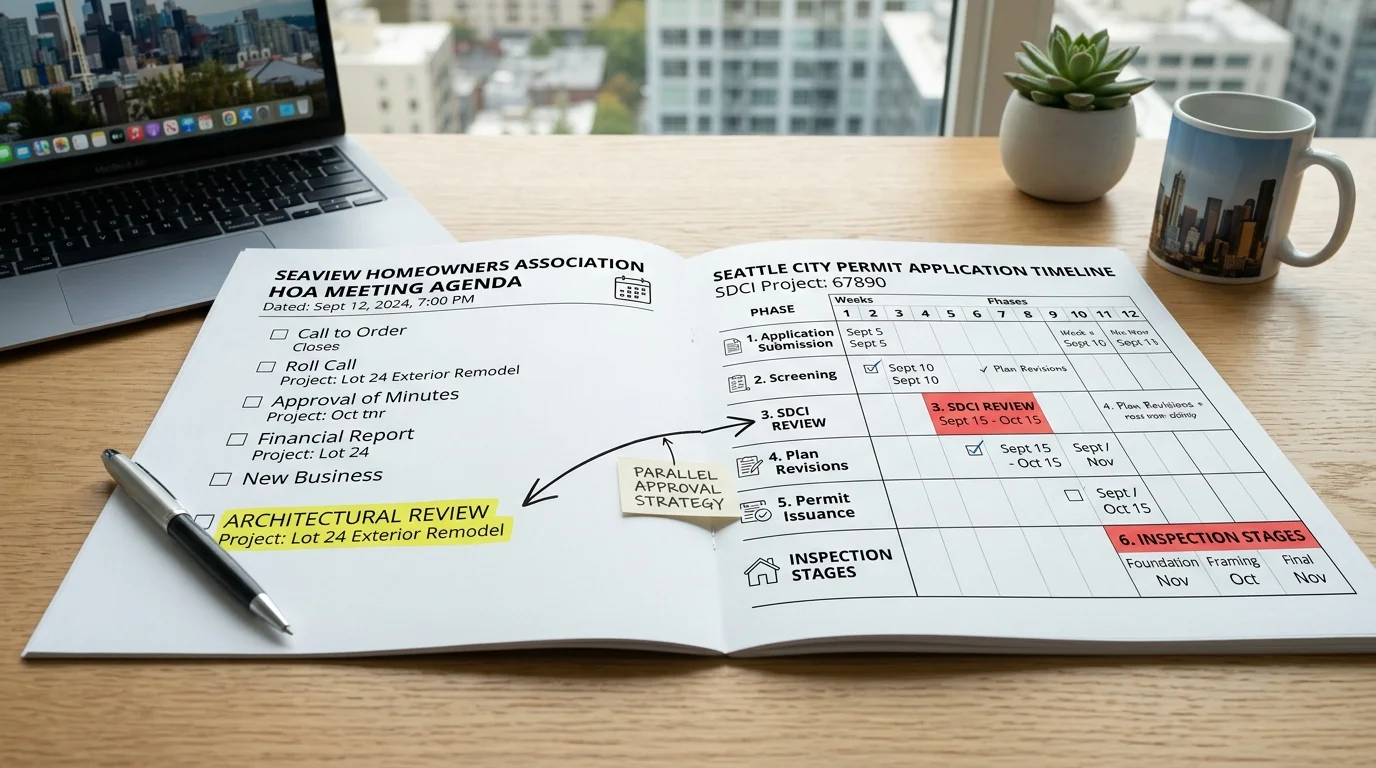
HOA approval and Seattle city permits are two separate processes—and this distinction matters enormously. Your HOA may grant architectural approval, but that doesn't exempt you from obtaining a building permit from the Seattle Department of Construction and Inspections (SDCI). In fact, most condo remodels require both approvals running in parallel or sequentially. Understanding which projects trigger permits, what those permits cost, and how long they take will keep your timeline realistic and prevent costly delays.
What Triggers a Seattle Building Permit
Not every condo renovation requires a city permit, but most do. Any project involving electrical work, plumbing modifications, HVAC changes, or structural alterations demands a permit. Kitchen and bathroom remodels almost always cross this threshold because they typically include new wiring, fixture relocations, or ventilation updates. Kitchen ventilation remodels in particular require permits because they involve ductwork, exhaust fans, and makeup air systems that affect building code compliance and fire safety.
Cosmetic work—painting, hardware replacement, or cabinet refacing without structural changes—may not need permits. However, when in doubt, contact SDCI or your contractor. Proceeding without a required permit exposes you to fines, failed final inspections, and complications when selling your unit. For detailed guidance on specific permit requirements, consult the Seattle Condo Remodel Permits guide to understand which projects in your building typically require approval.
The Permit Application Timeline
Seattle SDCI aims to complete initial review of simple permits in 2–3 weeks and complex projects in up to 8 weeks. However, timelines vary based on project scope, completeness of your application, and current SDCI workload. Incomplete submissions—missing structural plans, electrical schematics, or plumbing details—trigger resubmission cycles that extend approval by weeks.
Once approved, inspections occur at multiple stages: rough electrical, rough plumbing, framing (if applicable), and final inspection. Each inspection must pass before the next phase begins. Budget an additional 1–2 weeks for scheduling and completing all inspections. The table below outlines typical permit types, costs, and timelines for common condo remodels in Seattle.
| Permit Type | Typical Cost Range | Timeline | Common Triggers |
|---|---|---|---|
| Bathroom Permit | $400–$1,700 | 3–6 weeks | Plumbing, electrical, tile work |
| Kitchen Permit | $800–$2,500 | 4–8 weeks | Ventilation, plumbing, electrical |
| Electrical Only | $300–$800 | 2–4 weeks | Outlet/switch relocation, new circuits |
| Plumbing Only | $350–$1,200 | 2–4 weeks | Fixture moves, new lines |
| Mechanical (HVAC) | $400–$1,500 | 3–6 weeks | Ductwork, system upgrades |
Plan for your HOA review and city permits to overlap rather than wait sequentially. Submit your city permit application as soon as HOA approval is likely, even if final HOA sign-off is pending. This parallelization can save 4–6 weeks overall. Keep detailed records of all permit correspondence, inspection dates, and approvals—you'll need these for final walkthrough and future property transactions.
Managing Logistics: Elevators, Debris, and Neighbor Considerations
Remodeling a Seattle condo isn't just about design decisions and permits—it's about orchestrating the physical reality of construction in a shared building. The logistics of moving materials, managing noise, and protecting common areas often determine whether your project runs smoothly or becomes a source of tension with neighbors and building management. Getting these details right from the start prevents costly delays, fines, and the kind of friction that can linger long after your remodel is complete.
Elevator and Common Area Access Rules
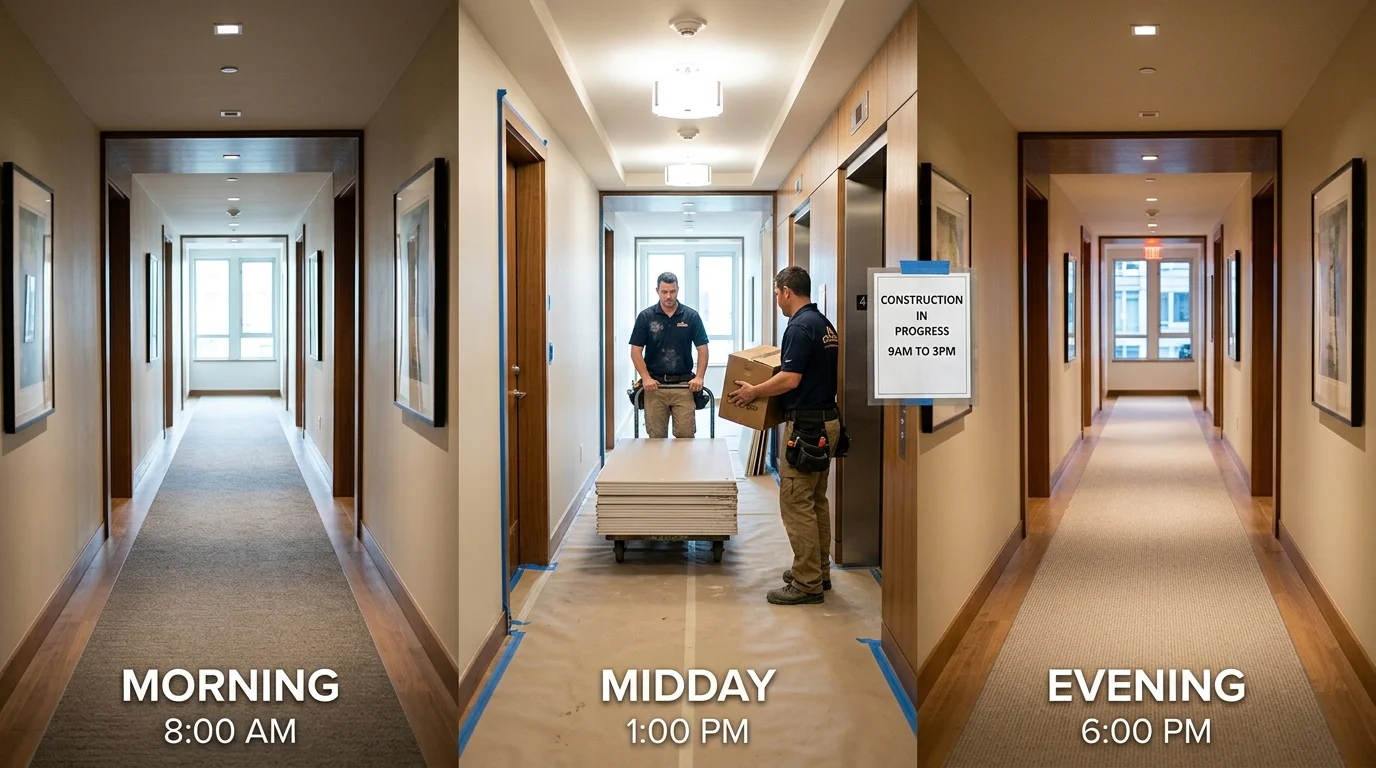
Most Seattle condo buildings have strict protocols for freight elevator use during renovations, and these rules are typically enforced through your HOA approval conditions. You'll likely need to reserve the freight elevator for specific days and times—many buildings restrict construction activity to weekday mornings or afternoons to minimize disruption to other residents. Some buildings require a separate deposit or insurance rider specifically for elevator use, and you may be liable for any damage to elevator interiors or doors.
Your contractor must protect hallways, lobbies, and stairwells with plywood or cardboard runners. This isn't optional—it's a contractual requirement that protects the building's finishes and shows respect for shared spaces. Many HOAs require protective coverings to remain in place throughout the project, and failure to maintain them can result in fines or work stoppages. Coordinate with building management about access routes before work begins. Some buildings designate specific times when elevators can be used for construction, while others may require you to use a service entrance if one exists. Understanding these rules upfront prevents the frustrating scenario where your contractor arrives with a truckload of materials only to discover the elevator isn't available.
If you're planning a kitchen remodel in a Belltown condo or similar high-rise building, delivery elevator rules for condo remodels in Seattle are particularly strict due to building density and shared infrastructure constraints. Document all elevator reservations in writing and confirm them 48 hours before each use.
Noise, Dust, and Quiet Hour Compliance
Many Seattle condo buildings prohibit construction work before 8 AM or after 5 PM on weekdays, and some restrict weekend work entirely. These quiet hour rules exist in your HOA documents, and your contractor must comply—violations can trigger complaints that halt your project. Dust control is equally critical in multi-unit buildings. Drywall dust, tile particles, and debris migrate into neighboring units through shared ventilation systems and open doors. Your contractor should seal work areas with plastic sheeting, use HEPA-filter vacuums, and maintain negative air pressure if plumbing or electrical work affects shared walls.
Keep a log of any noise complaints from neighbors and address them immediately. If a neighbor files a formal complaint with your HOA, it can delay approvals or lead to fines. A simple courtesy call or note to neighbors at the start of your project—explaining the timeline and offering your contact number for concerns—often prevents escalation. Some contractors offer to adjust their schedule around neighbors' work-from-home days or provide advance notice of particularly loud activities like demolition. This small gesture builds goodwill and protects your project timeline.
Dust and debris removal should happen daily, not just at project end. Leaving construction debris in common areas violates most HOA rules and creates liability if someone trips or is injured. Coordinate with your contractor about dumpster placement—many buildings require dumpsters to be positioned away from main entrances and may limit how long they can remain on-site. A professional remodeler will treat your building's common areas as carefully as they treat your unit's interior, understanding that your neighbors' experience directly affects your standing with building management and future resale appeal.
Cost Expectations: Budgeting for Condo Bathroom and Kitchen Remodels in Seattle
Understanding what you'll actually spend on a condo remodel in Seattle requires more than just looking at standard renovation costs. Condos introduce unique financial variables that can significantly impact your final bill—and knowing these upfront helps you budget realistically and avoid surprises mid-project.
The core difference between condo and single-family remodeling costs comes down to logistics and coordination. When you're working in a shared building, your contractor must navigate elevator reservations, debris removal protocols, noise restrictions, and building-specific requirements that don't apply to detached homes. These condo-specific logistics typically add 10–15% to your total project cost, a factor that's easy to overlook when comparing quotes.
Bathroom Remodel Cost Factors
A Seattle condo bathroom remodel typically ranges from $8,000 to $25,000 for standard projects, with luxury renovations reaching $35,000 or more. The variation depends heavily on scope and finishes. A basic refresh—new fixtures, tile, and paint—sits at the lower end. A full gut renovation with custom tile work, heated floors, and high-end plumbing fixtures pushes toward the upper range.
Plumbing costs represent a significant portion of bathroom budgets, especially in condos where pipes may run through shared walls or require coordination with building systems. Fixture upgrades (vanities, faucets, lighting) typically account for 20–30% of the budget. Tile and flooring materials vary wildly—basic ceramic tile costs far less than natural stone or large-format porcelain. Labor typically comprises 40–50% of the total, reflecting the skilled work required for plumbing, electrical, and tile installation.
Condo-specific costs include elevator rental fees (often $500–$1,500 for the project duration), debris removal coordination, and potential fees for using building facilities. Some buildings require licensed plumbers or electricians certified by the HOA, which may limit contractor choice and affect pricing.
Kitchen Remodel Budget Considerations
Kitchen remodels command significantly higher budgets than bathrooms. According to industry standards, Seattle kitchen remodel costs range from $700 to $1,200 per square foot, with most projects falling between $130,000 and $250,000 depending on scope and finishes. A 150-square-foot kitchen at the mid-range typically costs $105,000–$180,000.
Cabinetry is usually the largest line item, representing 30–40% of kitchen budgets. Whether you choose stock, semi-custom, or custom options dramatically affects pricing. Countertops (granite, quartz, or laminate) add another 15–20%. Appliances, backsplash, flooring, and lighting round out the major categories.
Ventilation updates deserve special attention in Seattle condos. Many buildings restrict ducting options or require specific venting solutions to comply with shared-wall regulations. This often triggers additional permits and costs that aren't immediately obvious when budgeting. Kitchen ventilation solutions for Seattle condos frequently require engineering approval, adding $2,000–$5,000 to your timeline and budget.
| Project Type | Low Range | Mid Range | High Range | Condo Premium |
|---|---|---|---|---|
| Bathroom Remodel | $8,000 | $15,000–$20,000 | $35,000+ | +10–15% |
| Kitchen Remodel | $130,000 | $180,000–$220,000 | $250,000+ | +10–15% |
| Elevator Rental (project duration) | $500 | $1,000 | $1,500 | Required |
| Debris Removal & Coordination | $1,500 | $2,500 | $4,000+ | Condo-specific |
Remember that Seattle remodel permits add their own costs, which typically range from $500–$2,000 depending on project scope. Getting multiple quotes from contractors experienced with condo projects ensures you're comparing apples to apples—and that hidden condo fees aren't buried in the fine print.
Planning Your Seattle Condo Remodel: Next Steps
You've now covered the critical foundations: HOA approval pathways, the distinction between building-level requirements and Seattle city permits, the logistics of shared-space construction, and the financial realities of condo-specific costs. The path forward requires consolidating these insights into actionable steps before you sign a contract or break ground.
Start by pulling your HOA's governing documents—CC&Rs, architectural guidelines, and any recent amendment packages. These aren't just bureaucratic reading; they're your legal blueprint for what's permissible. Contact your building management or HOA board directly, not through email alone. A conversation clarifies ambiguities that written policies sometimes leave unresolved, and it establishes a paper trail showing good-faith engagement. Ask specifically about their timeline for architectural review and whether your project type (bathroom versus kitchen) triggers different approval speeds.
Simultaneously, connect with contractors experienced in Seattle condo work. This isn't the time for the lowest bid. A contractor who understands the intersection of HOA restrictions, Seattle permit requirements, and shared-building logistics will catch hidden costs and timeline conflicts before they become expensive problems. They'll also help you navigate ventilation solutions, elevator coordination, and debris management—details that can derail an otherwise solid plan.
Ready to move forward with confidence? PNW Standard Remodel specializes in Seattle condo renovations and understands the unique approval and permitting landscape. Schedule your free consultation to discuss your project with professionals who've successfully guided dozens of condo owners through this exact process.