(206) 707-5830

Seattle homeowners often wonder which remodeling projects they can tackle without navigating the permit process. The answer isn't always straightforward—some work qualifies as permit-exempt, while other projects that seem minor actually require official approval. Understanding these distinctions can save you thousands in fines and months of delays, especially when you're eager to refresh your space quickly.
The key to permit-free remodeling lies in Seattle's building codes, which distinguish between cosmetic updates and work that affects structural integrity, electrical systems, plumbing, or safety. Projects that don't alter these critical systems typically fall into the permit-exempt category. However, the gray areas are where most homeowners stumble. This guide breaks down exactly which remodel work doesn't require a permit in Seattle, explains why certain projects are exempt, and highlights the common misconceptions that trip up even experienced DIYers.
Quick Answer: Minor cosmetic projects like painting, cabinet refinishing, flooring replacement (without structural changes), and hardware updates don't require permits in Seattle. However, anything involving plumbing, electrical work, structural changes, or major kitchen and bathroom overhauls typically does require permits—even if the work seems small. When in doubt, consult Seattle's Department of Construction and Inspections (SDCI) or a licensed contractor.
Knowing the difference between permit-free and permit-required work protects your investment and keeps you compliant with local codes. Many homeowners discover too late that unpermitted work can complicate future sales, insurance claims, or additional renovations. This guide covers both sides of the equation: the straightforward projects you can greenlight immediately and the nuanced situations where you'll need to determine whether a permit applies to your specific circumstances.
Table of Contents
- Permit-Exempt Remodeling Projects in Seattle
- Cosmetic Interior Updates
- Flooring and Surface Replacements
- Non-Load-Bearing Interior Walls
- Projects That Always Require Permits in Seattle
- Structural and Load-Bearing Changes
- Electrical, Plumbing, and HVAC Work
- Kitchen and Bathroom Remodels
- Window and Door Replacements
- Basement Conversions and Additions
- Demolition Work
- Gray Areas: When Permits Might Be Required
- Window and Door Replacements
- Roof Work and Exterior Modifications
- The Hidden Costs of Skipping Required Permits
- How to Know If Your Seattle Remodel Needs a Permit
- Moving Forward With Confidence on Your Seattle Remodel
Permit-Exempt Remodeling Projects in Seattle
Seattle's Department of Construction and Inspections (SDCI) allows homeowners to complete certain remodeling work without pulling a permit, provided the projects remain purely cosmetic or involve straightforward replacements with no structural, electrical, or plumbing modifications. Understanding which projects fall into this category saves time and money—but the line between permit-free and permit-required work is often narrower than homeowners expect.
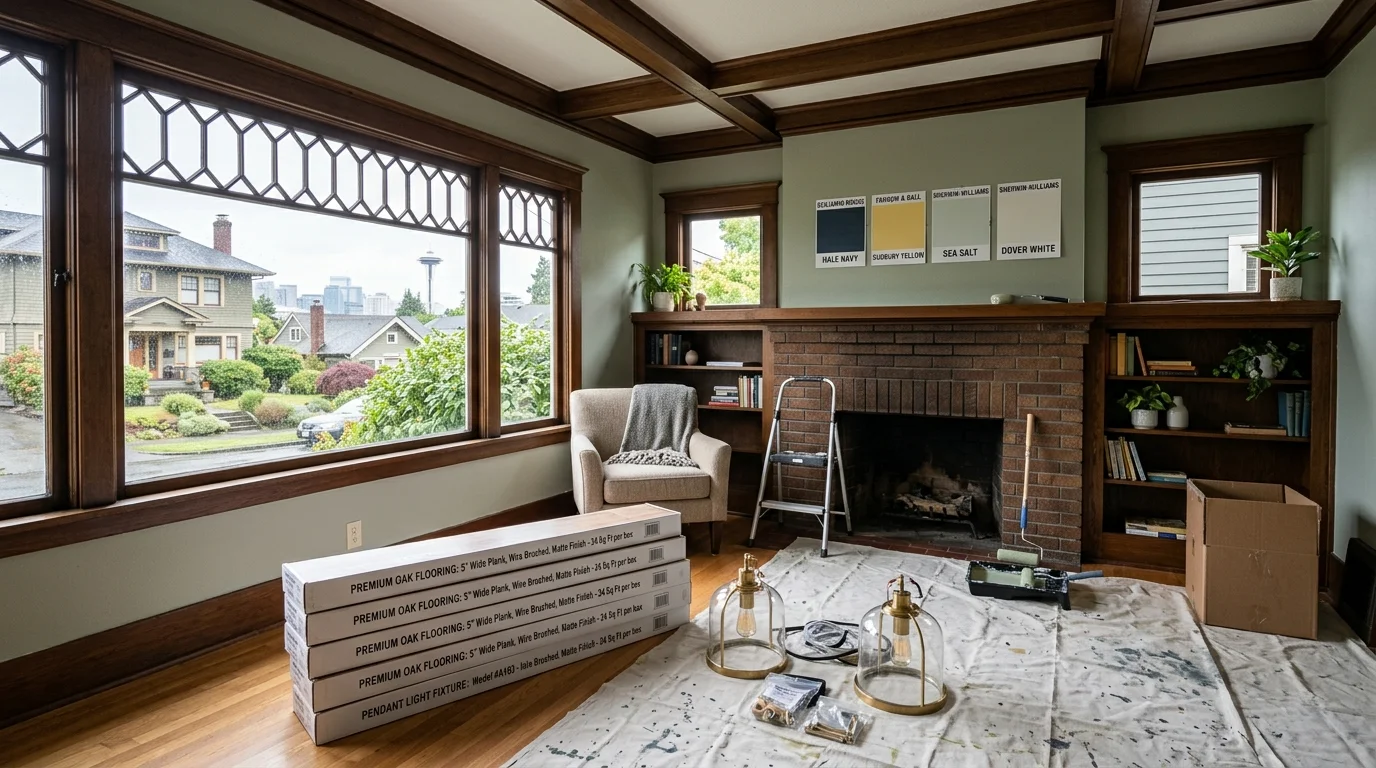
According to SDCI's guidelines, minor repairs or alterations costing $6,000 or less in any 6-month period do not require a permit. This threshold applies to fair market value of labor and materials, even if you perform the work yourself. However, this cost ceiling doesn't override the fundamental rule: if the work involves structural changes, mechanical systems, or building envelope modifications, a permit is required regardless of budget.
Cosmetic Interior Updates
Interior painting, wallpaper installation, and trim work are classic permit-free projects. You can repaint every wall in your home, update interior trim color, or add decorative molding without SDCI approval. Hardware replacement—swapping out cabinet knobs, door handles, towel bars, and hinges—requires no permit. Light fixture swaps are also exempt, as long as you're replacing like-for-like fixtures and not adding new electrical circuits or outlets. Cabinet refacing (applying new veneer or paint to existing cabinet boxes) is permit-free, though full cabinet replacement may cross into permit territory depending on whether plumbing or electrical connections are involved. These projects work because they don't alter the home's structural integrity or mechanical systems.
Flooring and Surface Replacements
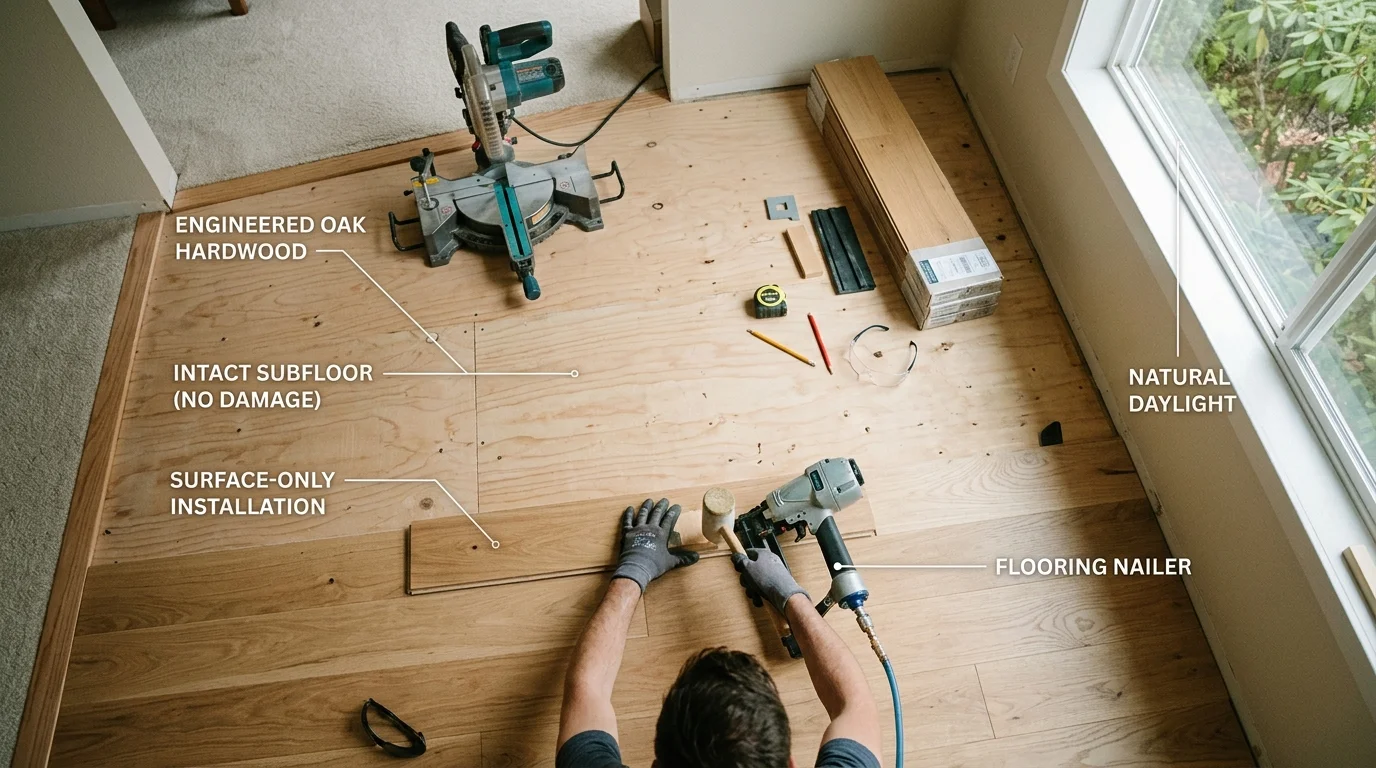
Replacing flooring materials—whether you're installing new tile, hardwood, laminate, or carpet over an existing substrate—typically requires no permit in Seattle. The key condition is that you're not modifying the substrate itself or addressing structural issues like sagging joists or water damage. If your subfloor is level and sound, laying new flooring is straightforward and permit-free. However, if substrate repair, leveling, or reinforcement is needed, that work may trigger permit requirements. Similarly, countertop replacement is generally exempt as long as no plumbing or electrical work is involved.
Non-Load-Bearing Interior Walls
Removing or adding non-load-bearing interior partition walls can be permit-free, but this is where homeowners most often stumble. A non-load-bearing wall carries only its own weight and doesn't support floor joists, roof trusses, or upper-story walls. Load-bearing walls support the structure and absolutely require permits to modify. Before removing any wall, confirm with a structural engineer or licensed contractor that it's truly non-load-bearing. Many homeowners assume a wall is non-structural only to discover mid-project that it's critical to the home's support system. When in doubt, consult SDCI or a professional—the cost of verification is far less than the cost of correcting structural mistakes.
For projects involving kitchen or bathroom work, even minor updates often trigger permit requirements due to plumbing and electrical codes. If you're uncertain whether your specific project needs a permit, contact SDCI directly or consult a licensed contractor familiar with Seattle's current code requirements.
Projects That Always Require Permits in Seattle
Once you've confirmed that your project doesn't fall into the permit-exempt category, it's critical to understand which work absolutely demands a permit before you pick up a hammer. Seattle's building code is clear: certain categories of work are non-negotiable. Skipping permits on these projects invites serious consequences—fines from the Seattle Department of Construction and Inspections (SDCI), failed inspections that halt work mid-project, and complications when you sell your home. Lenders and title companies routinely flag unpermitted work, and buyers' inspectors will catch it.
Structural and Load-Bearing Changes
Any modification to your home's structural system requires a permit. This includes removing or installing load-bearing walls, adding beams, reinforcing floors, or altering foundations. Even if the work seems minor—like cutting a doorway through a load-bearing wall—you need SDCI approval. Structural mistakes don't just create code violations; they compromise your home's safety and can cause catastrophic failure over time. A structural engineer's report is often required before work begins, and the permit process ensures that modifications meet current seismic and safety standards.
Electrical, Plumbing, and HVAC Work
According to SDCI's permit requirements, any modification to electrical systems—new circuits, panel upgrades, outlet additions—requires a permit. The same applies to plumbing: new fixtures, relocated supply lines, drain modifications, and water heater replacements all need permits. HVAC work, including installation of new systems, ductwork changes, or mechanical upgrades, is equally regulated. These systems are governed by strict safety codes. Unpermitted electrical work creates fire hazards; unpermitted plumbing invites water damage and contamination; unpermitted HVAC work reduces efficiency and air quality. Inspectors verify that all connections meet code and function safely.
Kitchen and Bathroom Remodels
While cosmetic updates—new paint, hardware, or light fixtures—may be permit-free, most kitchen and bathroom remodels require permits. If your project involves plumbing changes (moving a sink, adding a second bathroom), electrical work (new circuits for appliances), or layout modifications, you need a permit. Kitchen remodels in Bellevue and Seattle typically cost $850–$2,550 in permit fees alone, while bathroom permits run $400–$1,700 based on 2026 SDCI fee data. These costs reflect the complexity of inspection required to ensure proper ventilation, waterproofing, and code compliance in wet areas.

Window and Door Replacements
Replacing windows or exterior doors requires a permit because these modifications affect your home's thermal envelope and weather resistance. New windows must meet current energy codes, and doors must be properly installed to maintain structural integrity and fire ratings. Interior door replacements that don't affect the building envelope may be exempt, but when in doubt, verify with SDCI.
Basement Conversions and Additions
Converting an unfinished basement into a living space, bedroom, or bathroom demands permits. Egress windows, ceiling height, ventilation, and electrical systems all must meet code. Similarly, any addition to your home—a deck, sunroom, second story, or garage—requires a full building permit and structural review.
Demolition Work
Removing structures, even small ones like sheds or decks, requires a demolition permit. SDCI must verify that no hazardous materials are present and that the work won't affect neighboring properties or utilities.
The safest approach: contact SDCI or a licensed contractor before starting any significant project. Initial review of simple permits typically takes 2–3 weeks, while complex projects may need 8 weeks. The time investment upfront saves you from costly corrections and legal headaches later.
Gray Areas: When Permits Might Be Required
Not every remodeling project falls neatly into the "permit-free" or "definitely needs a permit" categories. Many homeowners encounter work that sits in the middle—where the permit requirement hinges on scope, materials, or how significantly the project changes your home's structure or systems. Understanding these gray areas saves you from costly mistakes and unexpected work stoppages.
Window and Door Replacements
Replacing windows or doors with identical size and type typically doesn't require a permit. If you're swapping out a standard 3-by-5-foot window with another 3-by-5-foot window using the same frame material, you're generally in the clear. The same applies to interior door replacements that don't affect the building envelope.
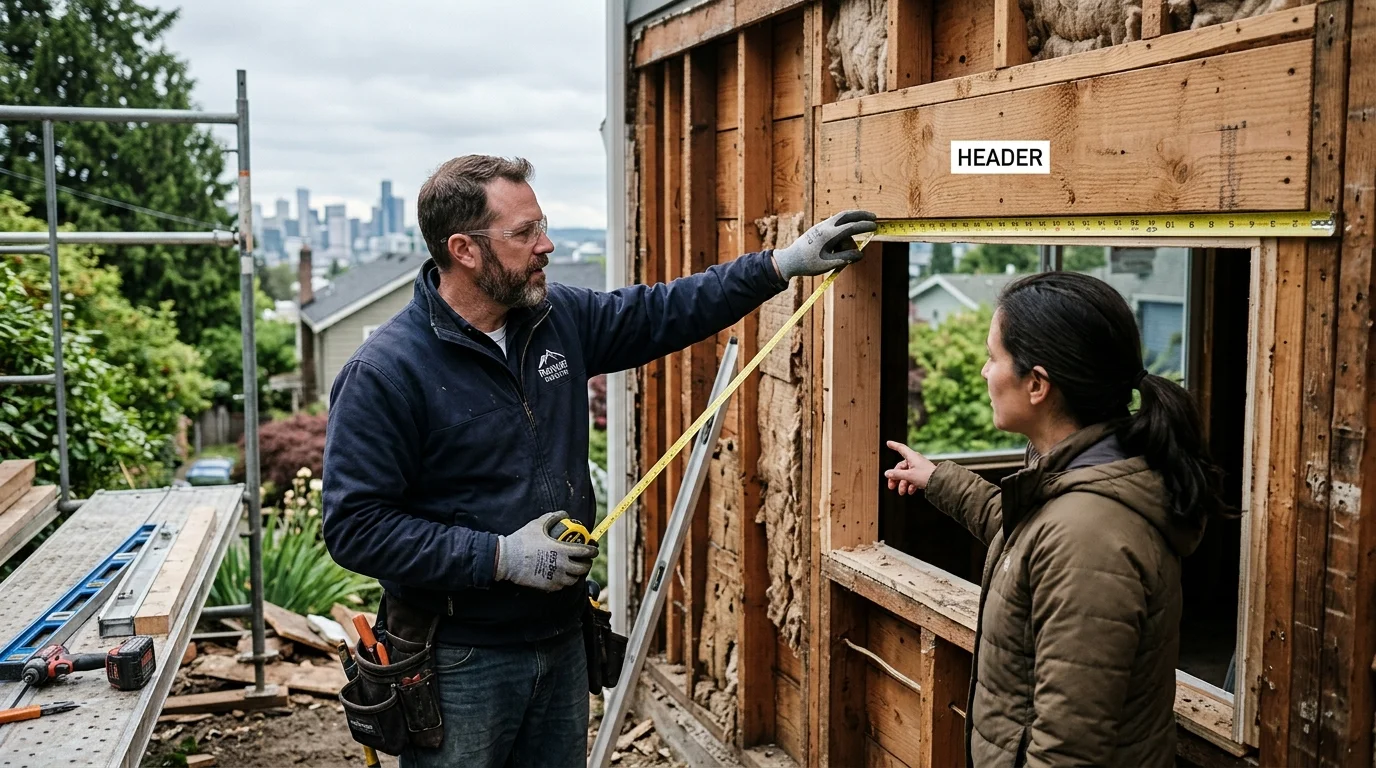
The situation changes dramatically when you enlarge openings, change frame materials, or modify structural headers. Expanding a window from 3 by 5 feet to 4 by 6 feet requires a permit because the header (the beam above the opening) must be engineered to handle the new load. Similarly, upgrading from aluminum to fiberglass frames or vice versa may trigger permit requirements if it affects thermal performance or structural ratings. When in doubt about whether your window or door replacement crosses into permit territory, contact SDCI or consult a licensed contractor before purchasing materials.
Roof Work and Exterior Modifications
Distinguishing between permit-free roof repairs and work requiring permits can be tricky. Replacing shingles on an existing roof—whether you're fixing storm damage or refreshing worn areas—typically doesn't require a permit. The work stays within the existing structure and doesn't alter the roof's fundamental design.
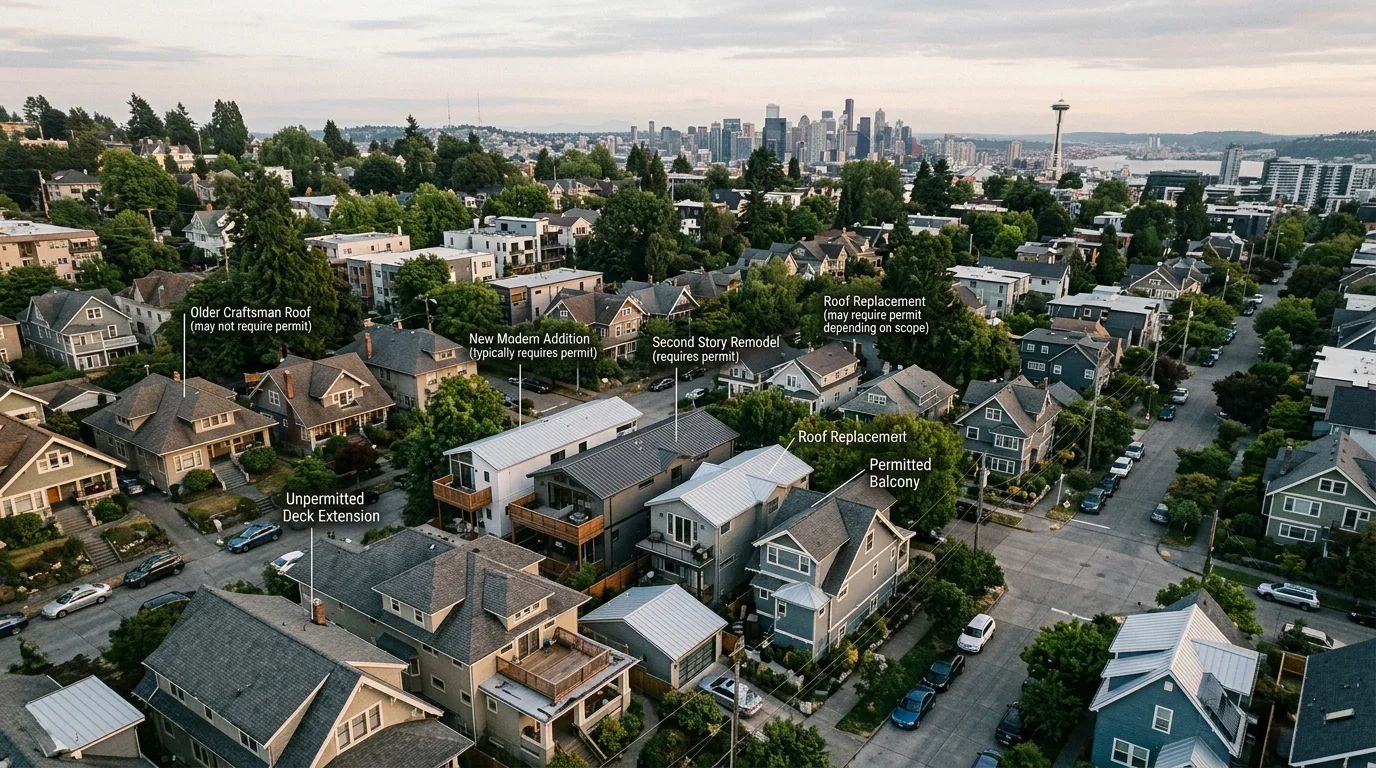
Roof replacement, however, often does require a permit, especially if you're changing materials (asphalt shingles to metal, for example) or modifying insulation and ventilation systems. Structural changes to the roof, adding skylights, or extending the roof line all demand permits. Exterior modifications like adding a new deck, pergola, or permanent awning also require permits because they affect your home's footprint, drainage, and structural load. Even something that seems minor—like installing a new exterior light fixture that requires new electrical circuits—may require permits depending on the scope. The distinction typically comes down to whether the work affects your home's structure, safety systems, or thermal envelope. When evaluating a roofing or exterior project, ask yourself: does this change how the building performs, look structurally, or function mechanically? If yes, a permit likely applies.
Understanding your project's true scope is essential before starting work. The permit timelines for both Seattle and Bellevue remodel projects typically range from 2 to 3 weeks for straightforward applications, though complex modifications may extend to 8 weeks or longer. Pulling a permit early in your planning process—even if you're unsure whether one applies—protects you from fines and the headache of undoing unpermitted work. When ambiguity exists, a quick call to SDCI or a conversation with a licensed contractor clarifies your obligations and keeps your project on track.
The Hidden Costs of Skipping Required Permits
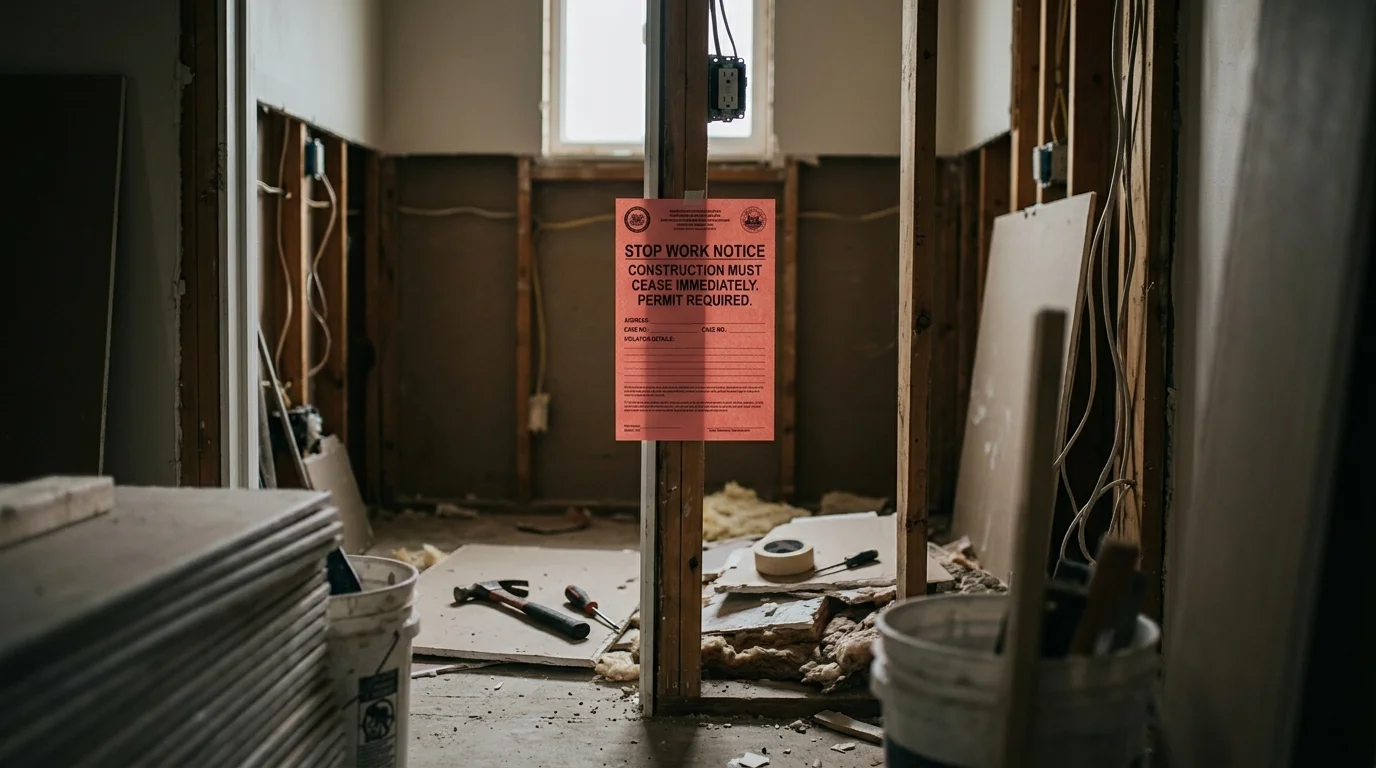
Skipping a required permit might seem like a way to save money and time, but the financial and legal consequences far outweigh any short-term savings. According to the Seattle Department of Construction and Inspections (SDCI), building without a permit can result in fines up to $500 per day, plus a stop-work order that halts your entire project. Beyond daily penalties, the city may require you to pay double the standard permit fees to obtain retroactive approval—turning a manageable compliance cost into a significant financial burden.
Consider a realistic scenario: a homeowner decides to skip permits on a $15,000 bathroom remodel to avoid the permit cost of approximately $1,590. Work progresses smoothly until a neighbor reports the unpermitted activity, or the city discovers it during a routine inspection. The homeowner now faces $5,000 to $10,000 in accumulated fines, plus the cost to bring all work up to code—which often exceeds the original budget. The final inspection after remodel Seattle requirements become impossible to meet without correcting violations, and the project stalls indefinitely.
The real damage extends beyond fines. Unpermitted work creates a legal liability when selling your home. Lenders become reluctant to approve mortgages on properties with undisclosed unpermitted work, and appraisers won't include unpermitted square footage in valuations. Washington State law requires sellers to disclose any known unpermitted work on the property disclosure form, exposing you to potential lawsuits from buyers who discover violations after purchase.
Insurance complications add another layer of risk. Many homeowners' policies exclude coverage for damage or injuries resulting from unpermitted work, leaving you personally liable for accidents or property damage. A kitchen fire or bathroom water damage in unpermitted areas could mean zero insurance recovery.
The upfront permit cost—whether for a bathroom or kitchen remodel—is genuinely modest compared to remediation expenses, fines, and legal exposure. Pulling permits early protects your investment and ensures your remodel meets code compliance standards that keep your home safe and marketable for decades to come.
How to Know If Your Seattle Remodel Needs a Permit
Determining whether your remodel requires a permit isn't always straightforward, but a simple decision-making framework can eliminate the guesswork. Start by asking yourself four critical questions: Does the work involve structural changes? Does it modify electrical, plumbing, or HVAC systems? Does it change your home's footprint or exterior? Does it involve a bathroom or kitchen renovation?
If you answered yes to any of these, a permit is almost certainly required. Structural work—removing walls, adding support beams, or altering the foundation—always demands permits because it affects your home's safety and integrity. Similarly, any project touching electrical wiring, plumbing lines, or HVAC systems requires permits, since improper installation creates fire hazards, water damage risks, and code violations. Kitchen and bathroom remodels typically need permits when they involve new fixtures, relocated plumbing, or electrical upgrades, though cosmetic-only updates like cabinet refinishing or tile replacement may not.
Work that expands your home's footprint—additions, deck construction, or room extensions—definitely requires permits. Even exterior changes like new roofing, siding replacement, or window installation usually fall under permit requirements. The safest approach is to contact Seattle's Department of Construction and Inspections (SDCI) directly. According to the SDCI Services page, they offer 20 minutes of free video coaching to answer construction permit questions, removing uncertainty before you invest time and money.

PNW Standard Remodel can guide you through this process as well, helping clarify whether your specific project requires permitting and handling the application if needed. A quick consultation costs nothing and protects you from costly violations down the road.
Moving Forward With Confidence on Your Seattle Remodel
Understanding which remodeling work doesn't require a permit in Seattle is one of the smartest investments you can make in protecting your home and wallet. The distinction between permit-exempt projects and those demanding formal approval isn't just bureaucratic—it's the difference between a smooth renovation and costly fines, failed inspections, or liability issues down the road. Cosmetic updates like cabinet refinishing, tile replacement, or paint may be permit-free, but structural changes, electrical work, plumbing upgrades, and anything expanding your home's footprint demand proper permitting.
When doubt creeps in—and it often does—reaching out to Seattle's Department of Construction and Inspections is always the right call. They offer 20 minutes of free video coaching to clarify your specific situation, removing guesswork before you invest time and money. The permit cost for a remodel in Seattle varies based on project scope, but the investment in getting it right upfront typically costs far less than addressing violations later. Similarly, understanding the Seattle remodel permit timeline helps you plan realistically; most simple approvals take 2–4 weeks, though complex projects may extend longer.
PNW Standard Remodel specializes in navigating these permitting requirements and ensuring your project meets all current code standards. Whether you're tackling a cosmetic kitchen refresh or a full bathroom overhaul, our team knows exactly which work requires permits and which doesn't—and we handle the paperwork so you don't have to. Request your free estimate or consultation today to discuss your specific project, clarify permit needs, and get a clear timeline for completion. Doing your remodel the right way protects your investment, ensures quality craftsmanship, and gives you genuine peace of mind.