(206) 707-5830

Most Seattle condo owners underestimate the permit requirements before breaking ground on a remodel. Unlike single-family homes, condominiums operate under dual regulatory frameworks—you'll need approval from both the Seattle Department of Construction and Inspections (SDCI) and your building's Homeowners Association. This dual-layer requirement exists because condo remodels often affect shared systems, structural integrity, and neighbor quality of life. Kitchen and bathroom remodels are the most common projects triggering this process, since they involve plumbing, electrical work, and ventilation that intersect with building codes and HOA restrictions.
Quick Answer: Most condo remodels in Seattle require permits from SDCI whenever work involves structural changes, plumbing, electrical, or mechanical systems. You must also secure HOA approval before submitting to the city—many buildings have additional design and material restrictions. The entire permitting process typically takes 2–4 weeks from application to approval, though complex projects or HOA delays can extend this timeline. Kitchen and bathroom remodels are the primary projects requiring permits due to their scope and impact on building systems.
Understanding what triggers a permit requirement—and what doesn't—saves months of delays and potential fines. This guide walks you through the SDCI application process, HOA approval pathways, common permit categories for condos, and how long you should realistically expect to wait. We'll also cover what happens during inspections and how to avoid costly mistakes that trigger permit rejections. By the end, you'll know exactly which permits your project needs and how to navigate Seattle's condo remodeling landscape without surprises.
Table of Contents
- Which Condo Remodeling Projects Require Permits in Seattle
- Projects That Always Require Permits
- Projects That May Not Require Permits
- HOA Approval and Condo-Specific Permit Requirements
- Getting HOA Board Approval
- Delivery Elevator and Access Restrictions
- The Seattle Permit Application Process and Timeline
- Required Documents and Plans
- Fees, Inspections, and Timeline Expectations
- Common Permit Challenges and How to Avoid Them
- Ventilation and Mechanical System Complications
- Consequences of Skipping the Permit Process
- Hiring the Right Professional for Your Seattle Condo Remodel
- Moving Forward with Your Seattle Condo Remodel Permits
Which Condo Remodeling Projects Require Permits in Seattle
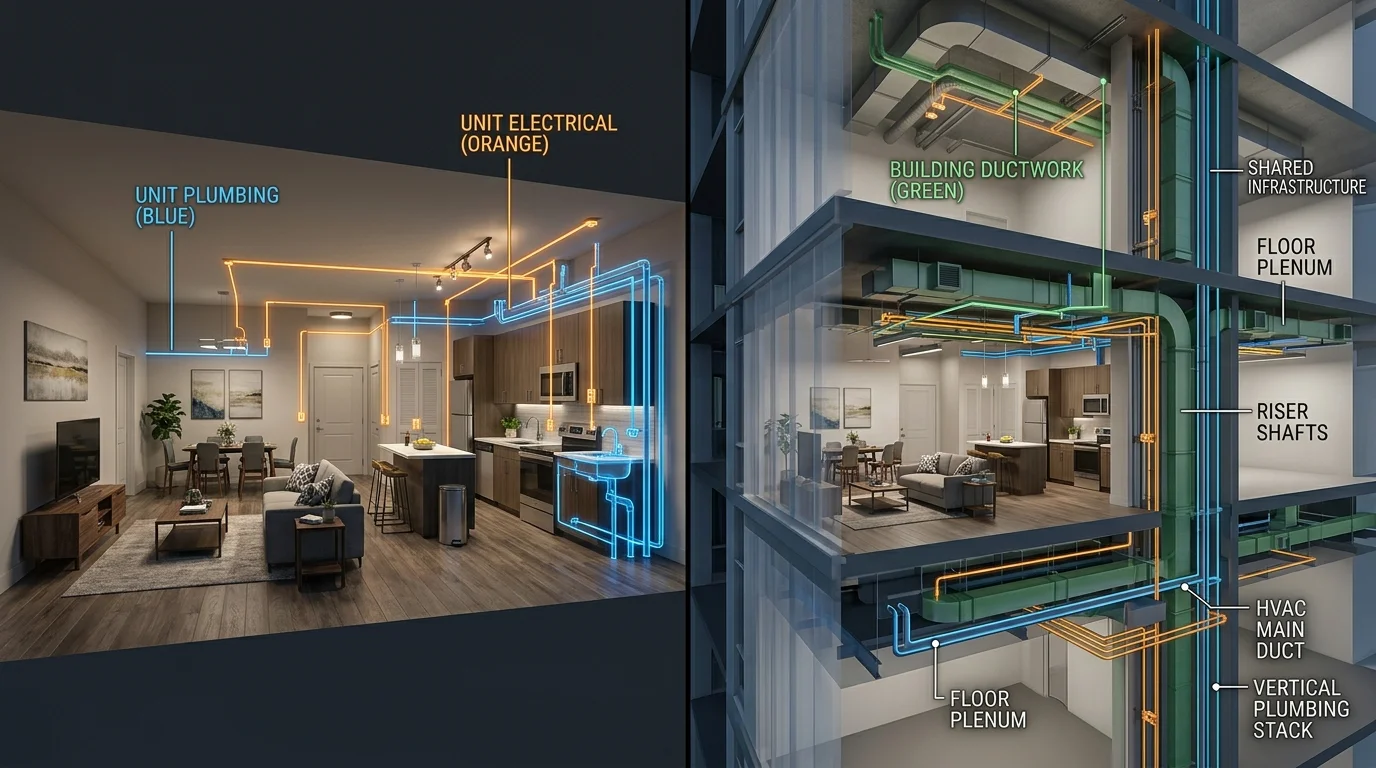
Condos operate under stricter permitting rules than single-family homes because shared walls, mechanical systems, and HOA governance create overlapping jurisdictions. Understanding which projects trigger Seattle Department of Construction and Inspections (SDCI) permits—and which don't—is essential before you commit to a timeline or budget.
Projects That Always Require Permits
Kitchen remodels almost universally require permits in Seattle condos. Any work involving plumbing (sink relocation, new fixtures), electrical (circuit additions, outlet upgrades), or mechanical systems (range hood installation or ventilation changes) demands SDCI approval. Even if you're keeping the layout identical, upgrading to a new range hood with ducting changes or relocating a dishwasher triggers permit requirements. The cost of a condo kitchen remodel in Seattle reflects this complexity—ventilation solutions for shared walls add both permitting and installation layers that single-family kitchens don't face.
Bathroom remodels follow the same pattern. Plumbing work (toilet, shower, or vanity relocation), electrical upgrades, and ventilation modifications all require permits. According to Seattle SDCI's official guidance, work that changes building envelope, reduces egress, or affects fire resistance mandates a permit—and bathrooms frequently touch these categories through exhaust ductwork and moisture barriers.
Structural modifications—removing walls, adding support beams, or altering load-bearing elements—always require permits and engineer review. Window or door replacements that change the building envelope also need approval. Additions (expanding into a balcony or enclosing common areas) require permits plus HOA consent.
Utility work (new electrical circuits, plumbing lines, HVAC modifications) demands permits regardless of scope. This includes upgrading your electrical panel or adding new gas lines.
Projects That May Not Require Permits
Cosmetic updates typically avoid permit requirements: interior paint, wallpaper, and non-structural flooring (vinyl, laminate over existing subfloors) don't trigger SDCI review. However, condos add a wrinkle—your HOA may still require approval for paint colors or flooring materials that affect common areas or building aesthetics.
Cabinet refacing without structural changes or new plumbing/electrical connections usually skips permits. If you're simply replacing cabinet doors and hardware while keeping existing sink and appliance locations, you're in the clear from the city's perspective. Learn more about how long cabinet refacing takes in Seattle to plan your timeline accordingly.
Appliance replacement (swapping an old range for a new one in the same location, upgrading a refrigerator) doesn't require permits unless you're changing utility connections. The gray area: if your new appliance requires different electrical or gas specs than the old one, you may need electrical or mechanical permits.
The critical distinction in condos is that HOA approval often precedes—and sometimes exceeds—city permitting. Always check your building's design guidelines and CC&Rs before assuming a cosmetic project is permit-free.
HOA Approval and Condo-Specific Permit Requirements
Seattle condo remodels operate under a dual-approval system that many owners overlook until it's too late. You need both HOA board sign-off and Seattle Department of Construction and Inspections (SDCI) permits—and these are entirely separate processes. The HOA approval must come first. Your building's architectural review committee will scrutinize your plans before you ever submit to the city, and their rejection means you cannot proceed, regardless of whether the city would approve it.
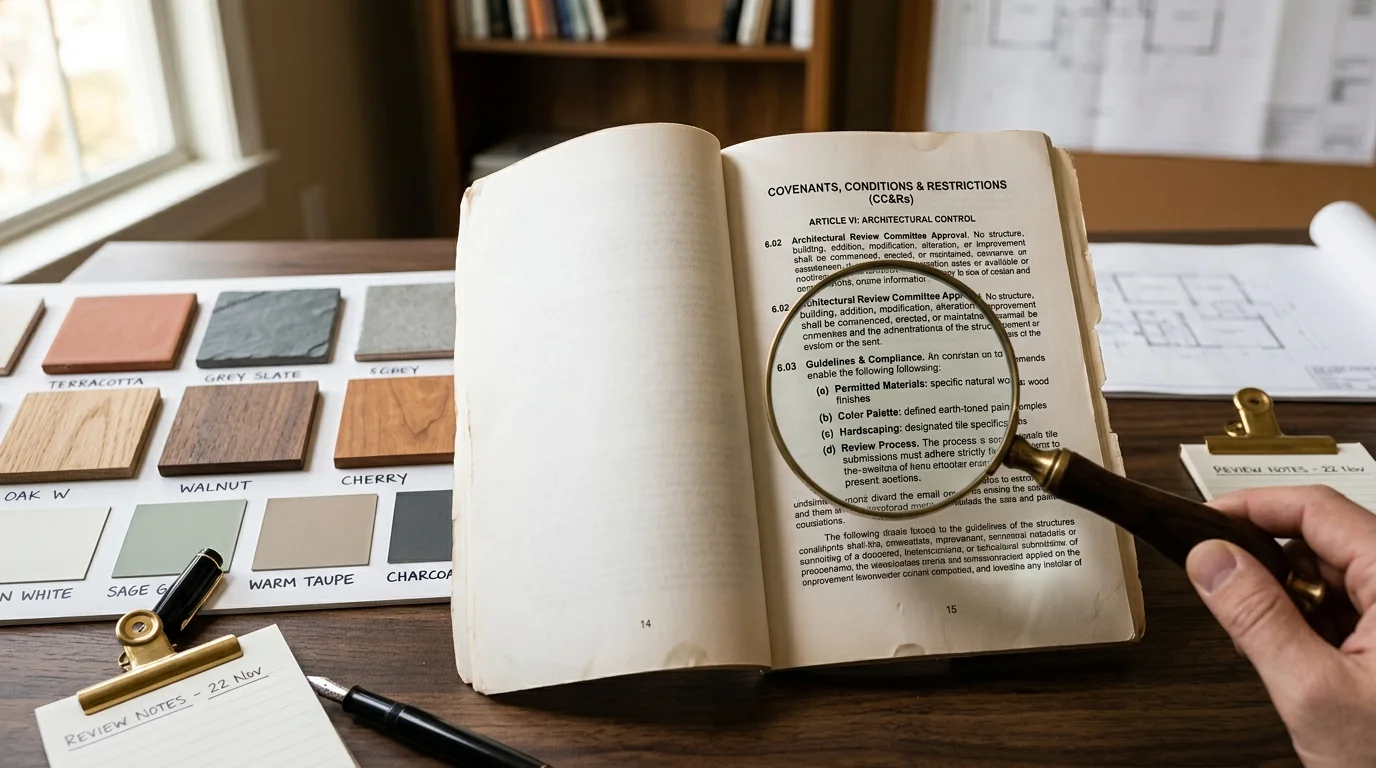
The reason is straightforward: HOAs protect shared property values and building integrity. A remodel in one unit affects common areas, structural systems, utilities, and the building's visual cohesion. Your CC&Rs (Covenants, Conditions & Restrictions) and design guidelines spell out what's allowed. In Belltown condo remodels, for example, strict architectural controls often limit cabinet finishes, countertop materials, and even paint colors in kitchens visible from shared hallways. Downtown Seattle condo remodels face similarly rigorous review, particularly in historic or landmark buildings where exterior windows or balcony modifications trigger additional city-level architectural review beyond the HOA.
Getting HOA Board Approval
The submission process begins with your contractor or architect preparing architectural plans and a detailed scope of work. The HOA typically requires floor plans, elevation drawings, material samples (cabinet finishes, tile, countertops), paint color swatches, and proof of contractor licensing and insurance. Some boards ask for a timeline and noise mitigation plan.
Review timelines vary. According to PNW Standard Remodel's experience, HOA approval can take anywhere from 2 days to 60 days depending on the board's meeting schedule and project complexity. Standard approvals typically land in the 2–4 week range, though extensive renovations may stretch to 1–3 months. The board meets monthly or quarterly; if you miss the submission deadline, you wait until the next meeting.
Common rejection reasons include non-compliant materials, inadequate structural documentation, contractor insurance gaps, or designs that clash with building aesthetics. If the board requests modifications, you revise and resubmit—adding another 2–4 weeks. This is why starting the HOA process before pulling permits is critical; you don't want SDCI approval sitting idle while the HOA demands changes.
Delivery Elevator and Access Restrictions
Once HOA approval is in hand, material logistics become your next hurdle. Most Seattle condos restrict when and how you move large items through the building. Delivery elevators—if your building has one—must be reserved in advance, often weeks ahead. Many buildings limit elevator access to specific windows: weekday mornings, weekends, or off-peak hours. Some charge reservation fees ($50–$200 per day) and require damage deposits.
If your building lacks a dedicated freight elevator, you may need to use the passenger elevator during restricted times, which means coordinating with the building management and potentially compensating other residents for inconvenience. Stairwell access is often prohibited for large materials due to damage risk and safety liability. Learn more about delivery elevator rules for Seattle condo remodels to understand your specific building's procedures and how they affect your project timeline and budget.
Beyond elevators, HOAs typically enforce noise restrictions (no work before 8 a.m. or after 5 p.m. on weekdays, limited weekend hours), parking rules for contractor vehicles, and hallway protection requirements. Violating these can result in fines, work stoppages, or liens against your unit. Budget these constraints into your timeline—they're not optional, and they're not city-imposed; they're building-imposed and enforceable by the HOA.
The Seattle Permit Application Process and Timeline
The Seattle Department of Construction and Inspections (SDCI) manages all permit applications for condo remodels, but the process differs slightly from single-family homes due to shared building concerns and HOA involvement. Understanding each step—from document preparation through final sign-off—helps you avoid costly delays and ensures your project stays compliant with both city code and building restrictions.

Required Documents and Plans
Before submitting to SDCI, you'll need to gather specific documentation. For minor cosmetic work (paint, flooring in a single room), a contractor's scope of work may suffice. However, most condo remodels involving structural changes, plumbing, electrical, or mechanical systems require architectural or engineering plans stamped by a licensed professional.
Architectural plans must show existing conditions, proposed layout changes, wall removals or additions, and any modifications to shared systems. If your remodel affects load-bearing walls or requires structural changes, a licensed structural engineer must review and stamp the plans—this is non-negotiable. Electrical and plumbing diagrams are required if you're adding circuits, moving outlets, relocating fixtures, or upgrading service capacity. For kitchen and bathroom remodels, these diagrams are almost always mandatory.
Your contractor should also provide proof of licensing, bonding, and insurance. SDCI requires this before permit issuance. If your building's HOA has specific architectural or construction standards, include a letter of HOA approval or variance request with your application. This prevents rejection mid-review and demonstrates you've coordinated with building management.
When you need a licensed architect versus contractor plans depends on scope. Simple bathroom vanity replacements or kitchen cabinet refacing typically require only contractor documentation. Structural changes, wall demolition, or mechanical system upgrades demand architect or engineer stamps. If you're uncertain, your contractor or a pre-permit consultation with SDCI ($100–$200) clarifies the requirement before you invest in full design drawings.
Fees, Inspections, and Timeline Expectations
Permit costs scale with project complexity. According to Seattle SDCI's 2026 fee structure, construction and Master Use Permit fees increased by 18% year-over-year, with the base hourly rate set at $292 per hour. For condo remodels specifically, kitchen permits with structural changes run $850–$2,550, while bathroom permits range from $400–$1,700. These fees cover plan review, not inspections—inspection fees are separate and typically $150–$300 per visit.
Timeline expectations depend on project complexity. SDCI completes initial plan review of simple and medium complexity projects within 2 to 4 weeks after application acceptance, while complex projects take 8 to 12 weeks. Condo remodels often fall into the "medium complexity" category because shared building systems trigger additional scrutiny. If SDCI issues a "Request for Information" (RFI) during review, you'll lose 1–2 weeks responding with clarifications or revised plans.
| Phase | Typical Duration | What Happens |
|---|---|---|
| Document preparation | 2–4 weeks | Architect/engineer creates plans; contractor gathers licensing docs |
| Application submission | 1 day | Submit via BuildingConnections portal or in-person |
| Initial plan review | 2–4 weeks | SDCI examines plans for code compliance; may issue RFI |
| RFI response (if needed) | 1–2 weeks | You revise plans and resubmit; SDCI re-reviews |
| Permit issuance | 1–3 days | Once approved, permit is issued; work can begin |
| Rough-in inspection | During work | Electrical, plumbing, framing inspected before walls close |
| Final inspection | After completion | SDCI verifies all work meets approved plans and code |
Once your permit is issued, work can begin—but inspections are mandatory at key stages. A rough-in inspection occurs after framing, electrical, and plumbing rough-in but before drywall closes walls. A final inspection happens after all work is complete. For condo remodels, the building may also require its own inspections to verify no damage to common areas or shared systems. Failing an inspection means corrections and a re-inspection fee, which delays your project by another 1–2 weeks.
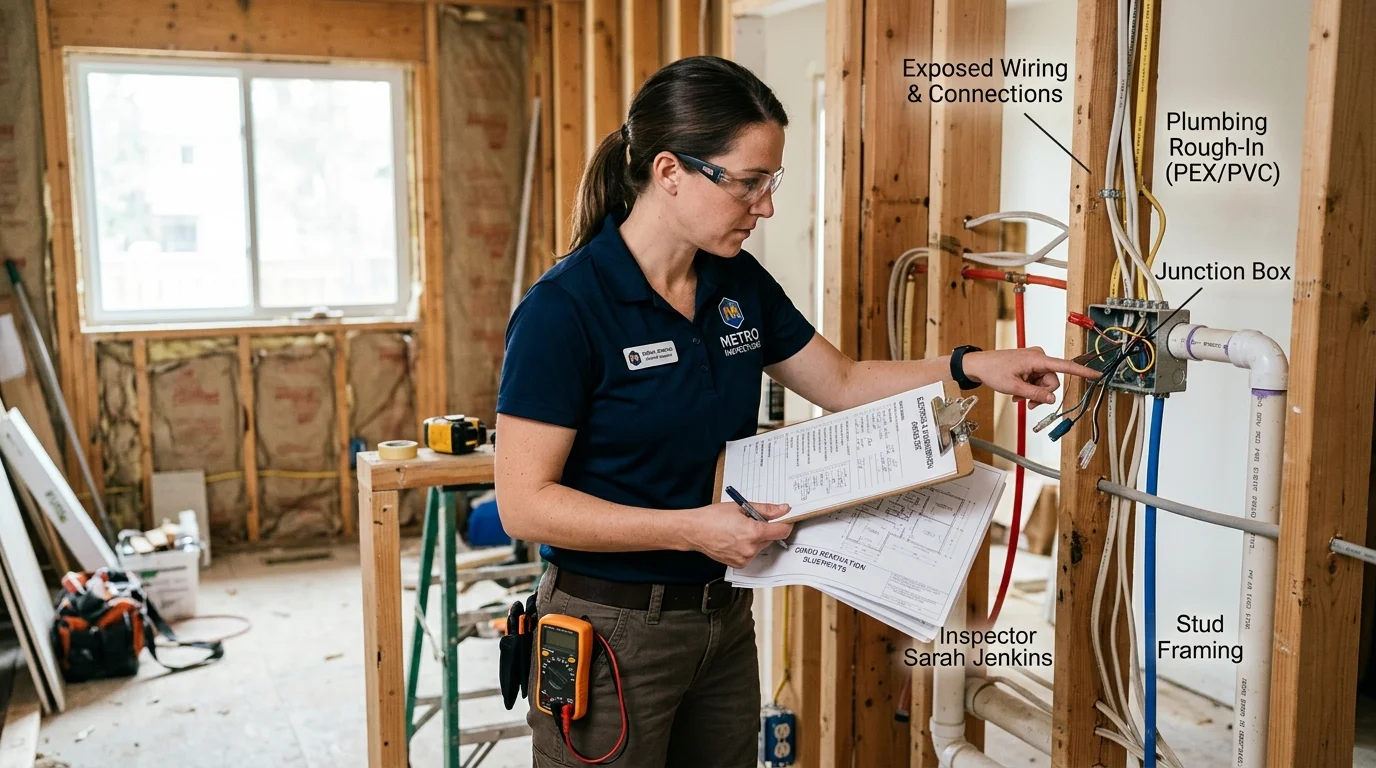
Submitting your application online through BuildingConnections is fastest; in-person submission at the SDCI office (700 5th Ave) takes longer due to processing queues. Upload all documents as PDFs, including architect stamps and HOA approval letters. Incomplete applications are rejected and restarted, adding 2–3 weeks to your timeline.
The entire process—from document prep through final inspection—typically takes 8–12 weeks for a standard condo kitchen or bathroom remodel. Complex projects with structural changes or mechanical upgrades can stretch to 16+ weeks. Budget this time into your overall project schedule, and coordinate closely with your contractor and building management to avoid conflicts. Learn more about what to expect during final inspection after your remodel to ensure you're ready when SDCI arrives for sign-off.
Common Permit Challenges and How to Avoid Them
Condo remodeling permits in Seattle come with a unique set of obstacles that single-family homeowners rarely encounter. The most common pitfall is underestimating how interconnected your project is with shared building systems, neighbor concerns, and HOA governance. These challenges don't just slow down your timeline—they can derail your entire project if mishandled.
Ventilation and Mechanical System Complications
Kitchen remodels in Seattle condos frequently stall because of ventilation planning oversights. Unlike single-family homes where you can vent a range hood directly outside, condos operate under strict shared ductwork rules. A Belltown condo kitchen remodel we've seen delayed three weeks because the initial permit application lacked detailed ventilation specifications. The building required proof that the new exhaust system wouldn't create negative pressure in adjacent units or compromise the building's air balance.
Seattle's building code demands that kitchen ventilation either connect to existing building ducts (requiring coordination with building management) or use a recirculating system with proper filtration. Many owners discover too late that their preferred hood design won't work with the building's existing infrastructure. The solution is simple but often overlooked: have your contractor or architect consult with building management and review mechanical plans before submitting permits. This single step prevents rejection and re-application cycles that add 2–3 weeks to your schedule.
Bathroom ventilation carries similar complications. Moisture extraction must vent outside, not into attic spaces or shared cavities. Verify ductwork routing during the design phase, and include building coordination letters in your permit package from day one.
Consequences of Skipping the Permit Process
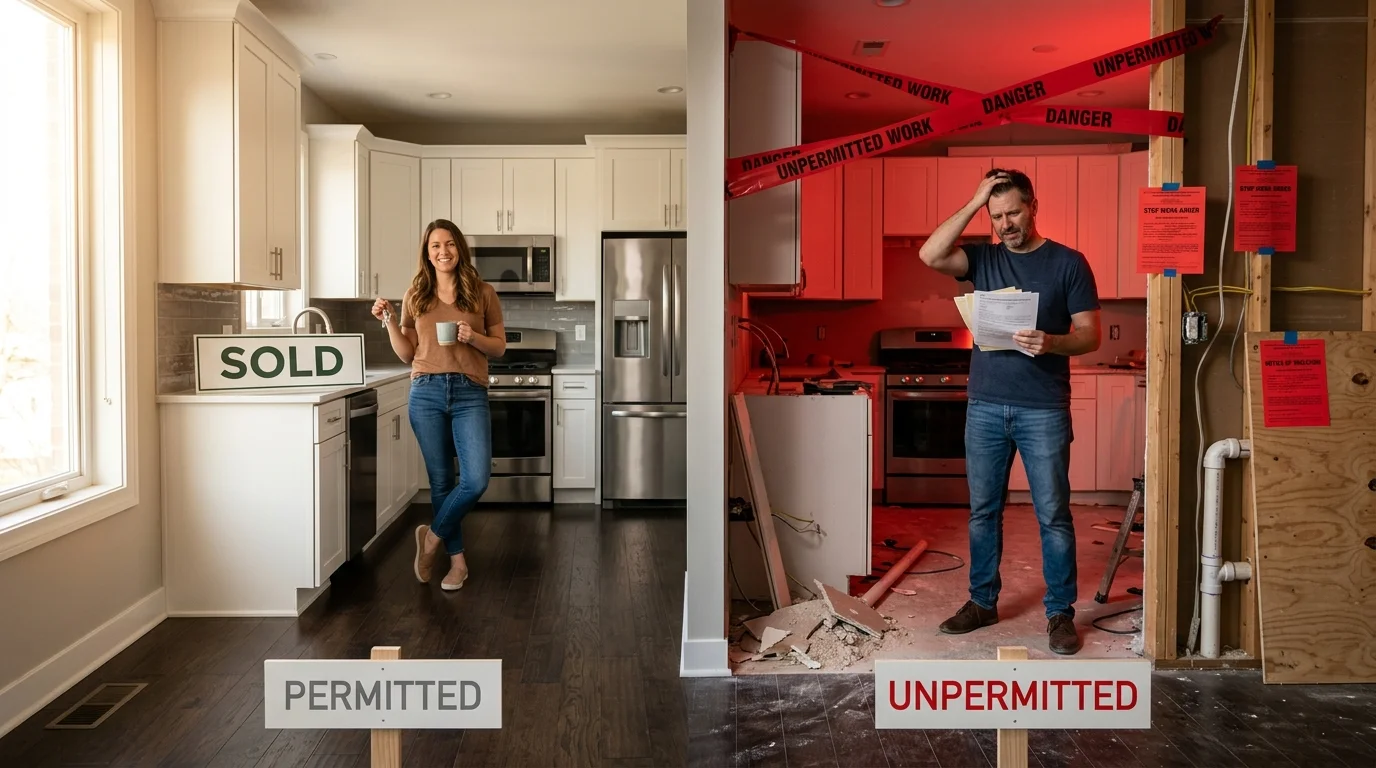
The financial and legal fallout from unpermitted condo work extends far beyond fines. According to Evergreen Permits, unpermitted work in Seattle can result in fines up to $500 per day, stop-work orders, and forced removal of non-compliant work. But the real damage surfaces when you sell. Lenders refuse to approve loans for homes with undisclosed unpermitted improvements, and buyers hesitate or walk away entirely when inspections reveal work done without permits.
Your condo board can also enforce compliance by requiring you to remove unpermitted work at your expense—a scenario that turns a $30,000 kitchen remodel into a $50,000+ problem. Insurance claims may be denied if damage occurs in unpermitted areas. The timeline savings of skipping permits (typically 1–2 weeks) evaporate instantly when you're forced to remediate or when a sale falls through.
Coordinate with your HOA before your contractor breaks ground. Get written approval in writing, and ensure all mechanical plans align with building requirements. This upfront diligence protects your investment and keeps your project on schedule.
Hiring the Right Professional for Your Seattle Condo Remodel
Seattle condo remodels demand more expertise than standard single-family renovations. The intersection of HOA governance, shared building systems, and strict municipal codes means you're not just hiring a contractor—you're hiring someone who understands the unique constraints of condo living. Cutting corners on contractor selection often leads to permit delays, HOA conflicts, or worse, having to redo work that doesn't meet building standards.
The right professional saves you thousands in rework costs and months of frustration. A contractor experienced with Seattle condo projects knows how to navigate HOA approval timelines, understands which mechanical upgrades trigger additional permits, and can coordinate with building management before breaking ground. They've dealt with shared wall restrictions, elevator reservation protocols, and the specific quirks of your building's systems.
What to ask potential contractors before hiring:
- Have you completed projects in this specific building or similar Seattle condo complexes?
- Do you handle permit applications directly, or do I need to hire a separate permit expediter?
- What's your typical timeline from HOA approval to final inspection?
- Can you provide references from recent condo clients in the Seattle area?
- How do you manage coordination with building management and HOA requirements?
- Are you licensed, bonded, and insured for work in Washington State?
Companies like PNW Standard Remodel offer complimentary consultations specifically designed for condo owners, with direct experience navigating HOA requirements and Seattle's permit processes. This kind of specialized knowledge is invaluable when planning a condo kitchen or bathroom remodel in Seattle.
Consider hiring a permit expediter if your contractor doesn't handle applications in-house. They cost $500–$1,500 but accelerate approvals by 2–3 weeks and catch compliance issues before they become expensive problems. For complex projects involving structural changes or mechanical upgrades, a licensed architect ($1,500–$3,000) ensures your plans meet all building codes and HOA restrictions upfront, preventing costly redesigns mid-project.
The upfront investment in experienced professionals pays dividends. You'll avoid unpermitted work, maintain your condo's resale value, and keep your project on schedule—far cheaper than the alternative.
Moving Forward with Your Seattle Condo Remodel Permits
Seattle's condo remodeling approval process operates as a two-step system: HOA sign-off first, then SDCI permitting. This sequence isn't arbitrary—it protects both your building's structural integrity and your investment. Skipping or rushing either step invites delays, fines, or forced remediation that costs far more than planning ahead.
The timeline matters. From HOA application to final permit approval typically spans 6–12 weeks for standard kitchen and bathroom projects, longer for work involving shared walls, mechanical systems, or structural changes. Start conversations with your building management and contractor simultaneously. They'll flag conflicts early—whether it's elevator reservation requirements, noise restrictions, or HOA design standards—before you've invested in detailed plans.
Working with a contractor experienced in Seattle condo work isn't a luxury; it's foundational. They understand how to coordinate with building management, structure permit applications for faster approval, and anticipate the unique obstacles condos present. When final inspections arrive, your project will pass cleanly because every detail was permitted correctly from the start.
Ready to move forward? Reach out to PNW Standard Remodel for a free consultation. We'll review your project scope, walk you through the dual-approval process specific to your building, and give you a realistic timeline and budget. Proper permitting isn't bureaucratic friction—it's the foundation that protects your condo's resale value and keeps your project on schedule.