(206) 707-5830

After completing your kitchen or bathroom remodel in Seattle, you've invested time, money, and vision into transforming your home. But before you can truly settle in and enjoy the results, there's one critical step that stands between you and peace of mind: the final inspection. This isn't just a formality—it's your assurance that every aspect of the work meets Seattle's strict building codes and is safe for your family.
Whether you're wondering if you need a permit for your bathroom remodel in Seattle or curious about kitchen remodel permit requirements, understanding the final inspection process removes uncertainty and protects your investment. The inspection verifies that licensed professionals completed the work to code, electrical systems are safe, plumbing functions properly, and structural changes are sound.
Quick Answer: A final inspection is the official review by Seattle's Department of Construction and Inspections (DACI) that verifies all permitted remodel work meets local building codes and is safe for occupancy. Final inspections are mandatory for any permitted work in Seattle—most kitchen and bathroom remodels require permits because they involve plumbing, electrical, or structural changes. If you pass inspection, you receive a certificate of occupancy, which protects your home's value and ensures your work is legally compliant.
This guide walks you through what happens during a final inspection, how to prepare, what inspectors look for, common issues that delay approval, and how to move forward if your project doesn't pass on the first attempt. Understanding this process now means fewer surprises later and a smoother path to enjoying your newly remodeled space.
Table of Contents
- Why Final Inspections Matter for Seattle Remodels
- Code Compliance and Safety Standards
- Protecting Your Home's Value and Insurability
- Which Remodel Projects Require Final Inspections in Seattle
- Kitchen and Bathroom Remodels
- Electrical, Plumbing, and HVAC Work
- The Seattle Final Inspection Process: Step-by-Step Timeline
- Scheduling Your Final Inspection with SDCI
- What Happens During the Final Inspection
- Passing and Receiving Your Certificate of Occupancy
- Common Issues Found During Seattle Remodel Final Inspections
- How to Prepare Your Remodel for Final Inspection Success
- Ensuring Your Seattle Remodel Passes Final Inspection
Why Final Inspections Matter for Seattle Remodels
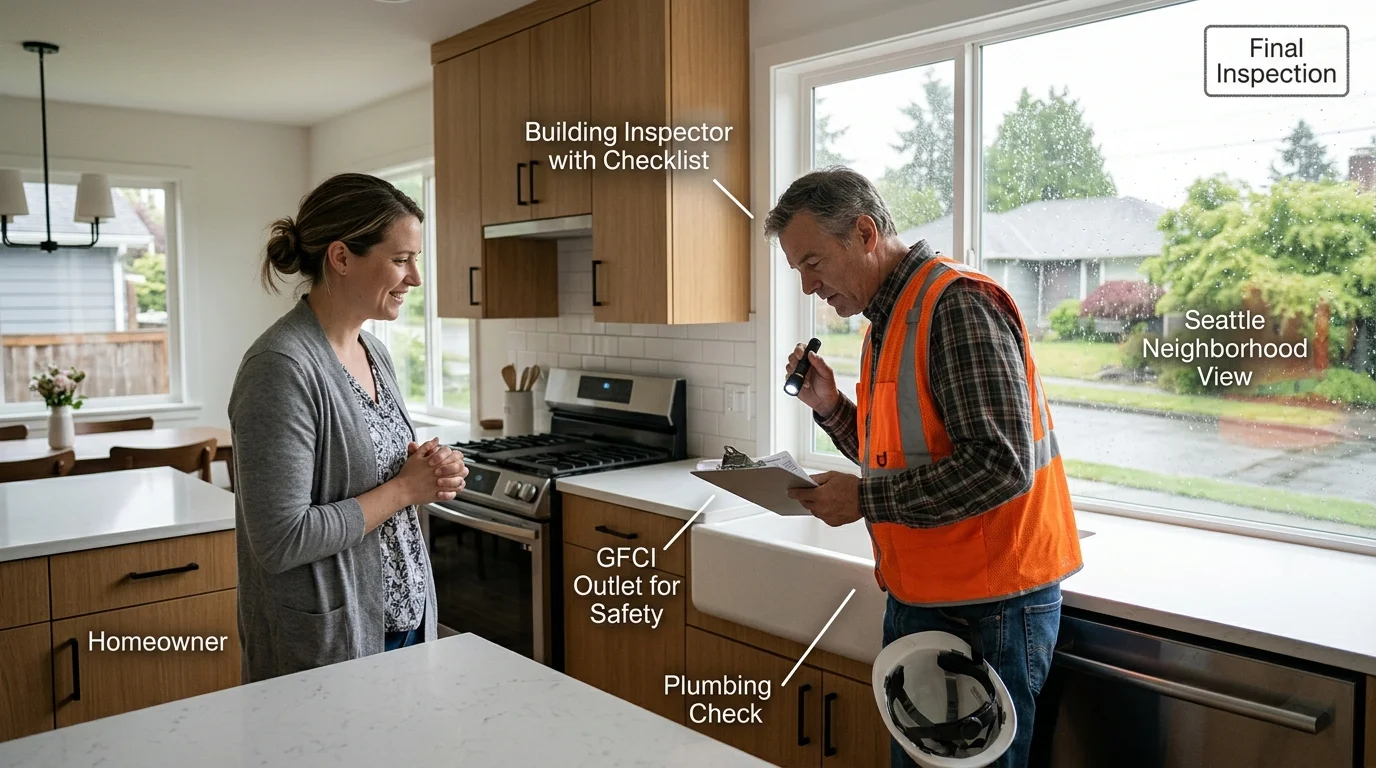
A final inspection is far more than a bureaucratic checkbox. It's the mechanism that transforms your remodel from a construction project into a legally compliant, safe, and insurable part of your home. In Seattle, the Department of Construction and Inspections mandates final inspections for any permitted work—which includes virtually all kitchen and bathroom remodels, plus any electrical, plumbing, or structural changes. Skipping this step exposes you to serious financial and legal consequences that extend well beyond the remodel itself.
Code Compliance and Safety Standards
Seattle's final inspection verifies that your remodel meets the current Seattle Building Code and Washington State Building Code. Inspectors check electrical systems for proper grounding, circuit capacity, and outlet placement; plumbing for correct venting, slope, and water pressure; structural work for load-bearing integrity; and fire safety features like blocking and smoke barriers. These standards exist because they prevent fires, water damage, electrical hazards, and structural failure. When an inspector signs off, they're confirming that licensed professionals completed the work correctly and that your home is genuinely safe for occupancy—not just that it looks finished.
Protecting Your Home's Value and Insurability
Unpermitted or uninspected work creates a hidden liability that surfaces when you sell or file an insurance claim. According to Econosurance, insurance companies may refuse to cover damage related to unpermitted work, and if discovered, insurers may raise premiums, reduce coverage, or cancel policies altogether. Additionally, appraisers typically do not include unpermitted square footage or additions when assessing home value, and lenders may refuse to finance homes with unpermitted work, limiting buyers to cash purchases. Beyond resale, building without a permit in Seattle can result in fines and stop work orders. A final inspection certificate protects your investment by documenting that your work is legal, insurable, and fully valued when you eventually sell.
Which Remodel Projects Require Final Inspections in Seattle
Not every home improvement requires a permit and final inspection in Seattle. The distinction matters because unpermitted work can haunt you at resale or when filing insurance claims. Understanding which projects trigger inspection requirements helps you plan timelines and budgets accurately—and protects your investment long-term.
The Seattle Department of Construction and Inspections (SDCI) requires permits for any work that affects structural integrity, electrical systems, plumbing, mechanical systems, or occupancy. Cosmetic updates like paint, trim replacement, or hardware installation typically slip past permit requirements. But the moment you move a wall, upgrade a circuit panel, relocate a sink, or install new HVAC equipment, you've crossed into permitted territory.
| Project Type | Requires Permit? | Requires Final Inspection? |
|---|---|---|
| Kitchen remodel (with electrical/plumbing changes) | Yes | Yes |
| Bathroom remodel (with plumbing/electrical work) | Yes | Yes |
| Electrical work (new circuits, panel upgrades) | Yes | Yes |
| Plumbing work (fixture moves, water lines) | Yes | Yes |
| HVAC installation or replacement | Yes | Yes |
| Structural changes (walls, beams) | Yes | Yes |
| Paint, trim, hardware replacement | No | No |
| Cabinet replacement (no electrical/plumbing) | No | No |
| Tile or flooring (no structural changes) | No | No |
Kitchen and Bathroom Remodels
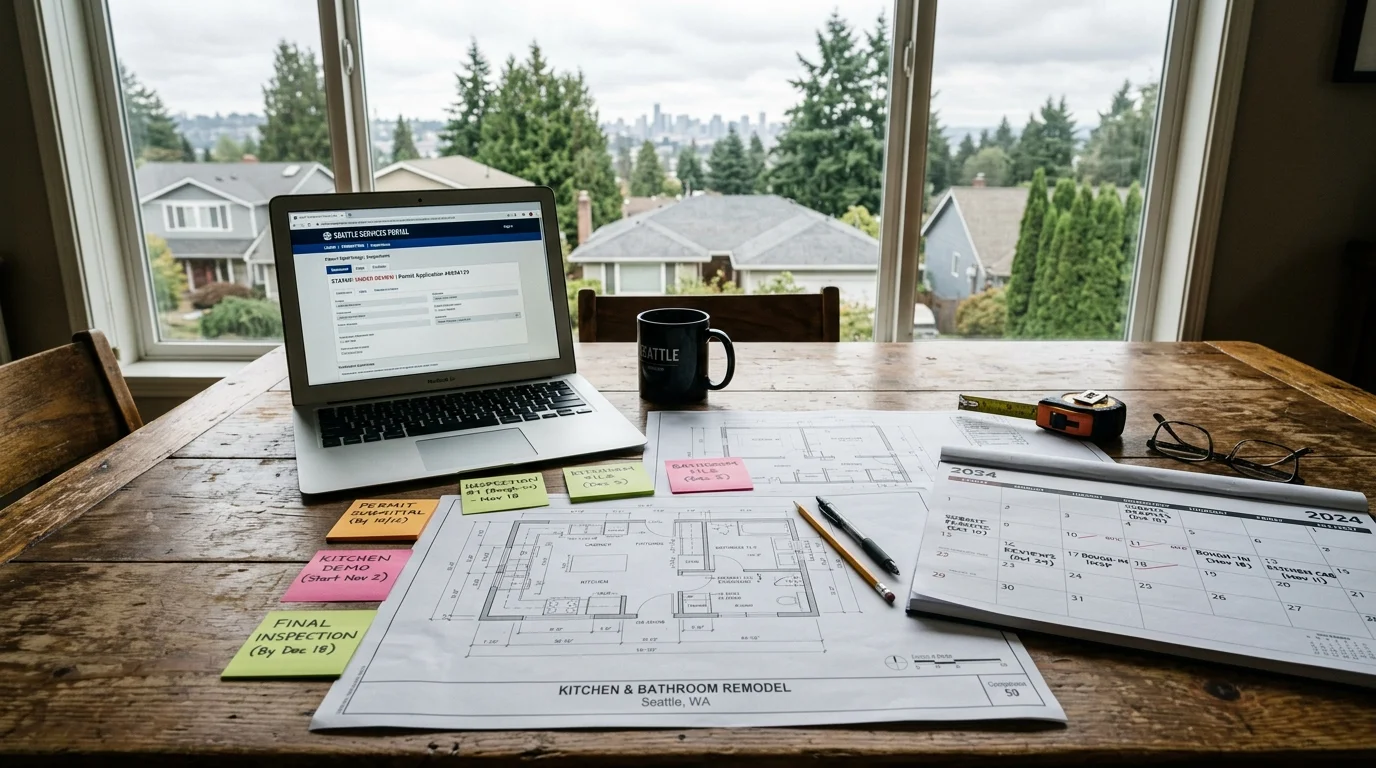
Kitchen and bathroom remodels almost always require permits when they involve plumbing, electrical, or structural modifications. Moving a sink, installing a new dishwasher, upgrading lighting circuits, or relocating a toilet all trigger SDCI oversight. Even seemingly minor work—like extending a water line or adding a dedicated outlet for an appliance—requires a permit. The timeline for how long a kitchen remodel takes in Seattle often extends because permit review and final inspections add 2–4 weeks to your project schedule. Similarly, bathroom remodels involving plumbing or electrical work follow the same permitting path, which is why understanding these requirements upfront prevents costly delays.
Electrical, Plumbing, and HVAC Work
Any new electrical circuits, panel upgrades, or fixture relocations require separate electrical permits and inspections. Plumbing work—whether installing new supply lines, moving drains, or upgrading fixtures—demands its own permit. HVAC modifications, including new ductwork or system replacements, also require permits and inspections. According to Giant Builders Seattle, trade permits for electrical, plumbing, and mechanical work typically cost $150–$500 each in Seattle. These specialized inspections ensure that licensed professionals completed the work to code and that your home's systems operate safely.
When in doubt, contact SDCI directly. They can clarify whether your specific project requires a permit, saving you from discovering compliance issues months or years later.
The Seattle Final Inspection Process: Step-by-Step Timeline
Once all construction work is complete and rough inspections have passed, you're ready to request your final inspection—the last hurdle before you can fully occupy and enjoy your remodeled space. This process typically takes 5–10 business days from request to completion, though timing depends on SDCI's workload and the complexity of your project. Understanding each step helps you avoid delays and ensures your kitchen or bathroom remodel meets all Seattle building codes before sign-off.
Scheduling Your Final Inspection with SDCI
Contact the Seattle Department of Construction and Inspections to request your final inspection through their online permit portal or by phone at (206) 684-8600. According to SDCI's construction inspection guidelines, inspections must be scheduled at least 24–48 hours in advance. If you call before 7:00 a.m., SDCI usually inspects the same day; calls after 7:00 a.m. are typically scheduled for the following workday. Your contractor can request the inspection on your behalf, which is standard practice. Have your permit number ready when you call. The inspector will confirm that all rough inspections passed and that the project is ready for final review. This scheduling window is why understanding your overall kitchen or bathroom remodel timeline in Seattle matters—final inspections can add 1–2 weeks to your project schedule if not coordinated properly with your contractor.
What Happens During the Final Inspection
The inspector arrives to verify that all work complies with the approved permit plans and current Seattle building codes. They'll examine electrical panel labeling, plumbing venting, fixture installation, structural integrity, and any items flagged during earlier rough inspections. The inspector reviews the work against your original permit drawings, checking that changes (if any) were documented and approved. This is not a quick walk-through; expect 30–60 minutes depending on project scope. The inspector may test fixtures, verify grounding, check for proper drainage, and ensure all materials meet code. If your remodel involved multiple trades—electrical, plumbing, and HVAC—the inspector confirms each system is installed correctly and safely.
Passing and Receiving Your Certificate of Occupancy
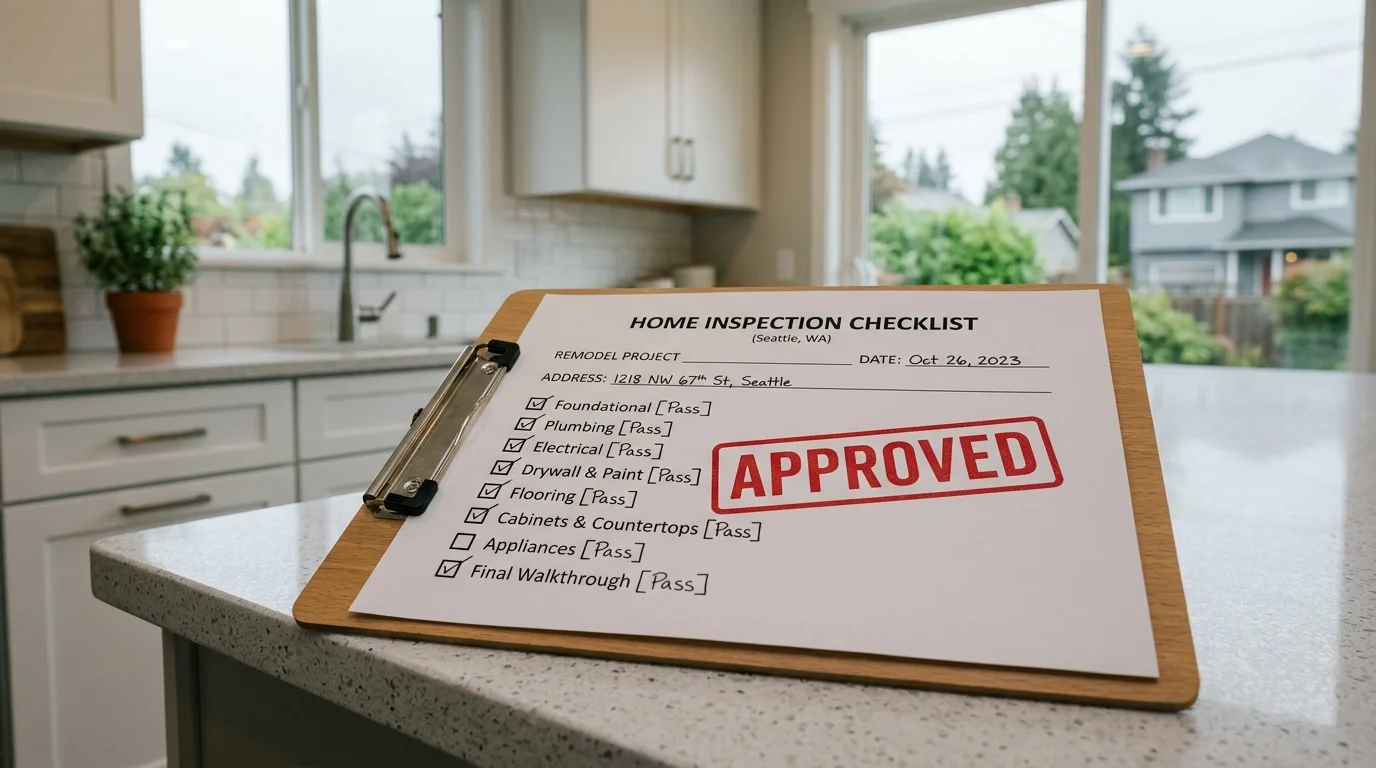
If the inspection passes, you'll receive final approval. For single-family and duplex projects, this typically means an "approved" inspection status rather than a formal Certificate of Occupancy; multi-family and commercial projects may receive an actual Certificate of Occupancy. Either way, this approval signals that your remodel is complete and compliant. If the inspector finds deficiencies, you'll receive a written list of corrections needed. Your contractor must fix these issues and request a re-inspection, which resets the 5–10 business day wait. Most deficiencies are minor—a missing label, a fixture adjustment, or a code clarification—and can be resolved within a few days. Once corrected, the re-inspection is usually quicker than the initial final inspection.
Common Issues Found During Seattle Remodel Final Inspections
Seattle inspectors are thorough—and they should be. The Pacific Northwest's moisture-heavy climate and strict building codes mean that small oversights during installation can lead to costly problems down the road. Understanding what inspectors commonly flag helps you anticipate delays and work with your contractor to address issues before they become deal-breakers.
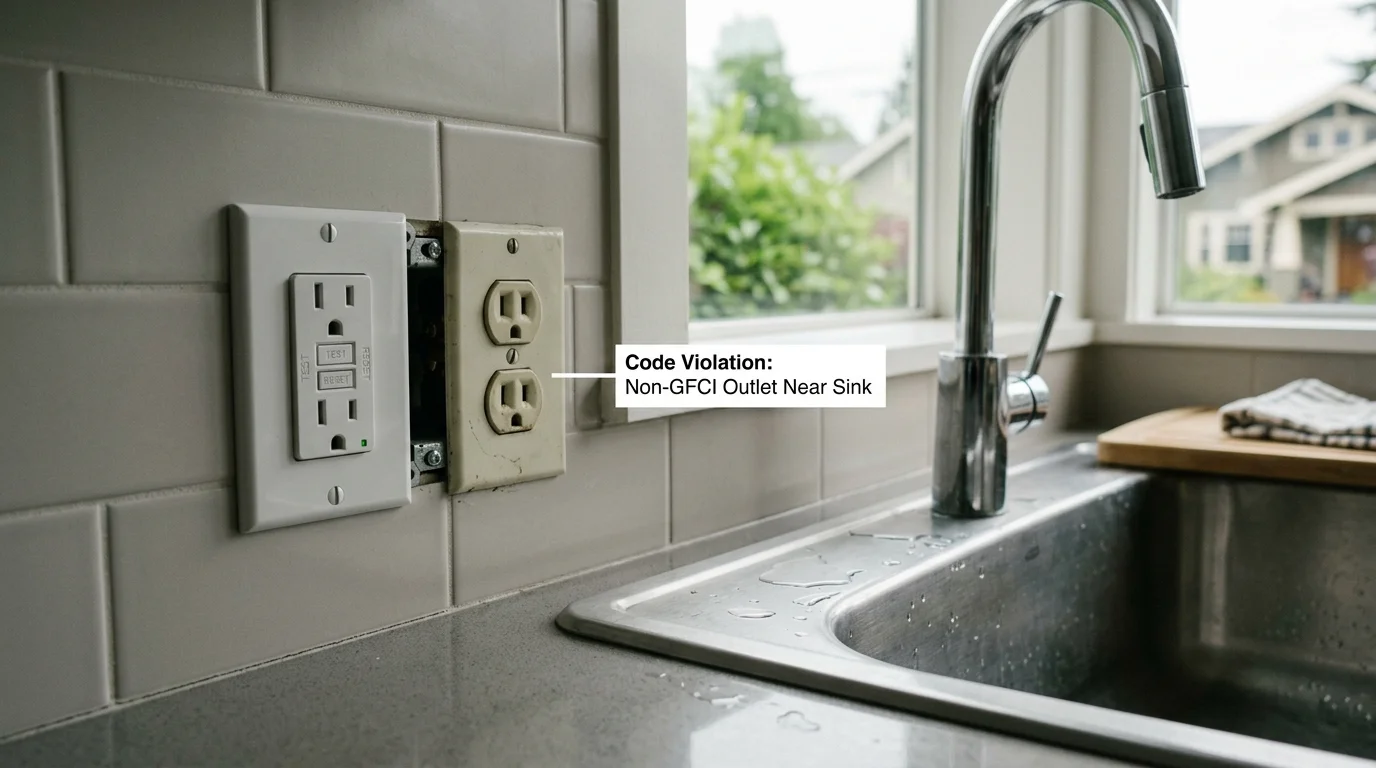
Electrical deficiencies top the list. According to MeltPlan Building Code Resources, missing GFCI (Ground Fault Circuit Interrupter) protection in kitchens, bathrooms, and wet areas is one of the most frequent violations. Inspectors also catch improperly secured cables, uncovered junction boxes, and overloaded panels. These aren't cosmetic—they're safety hazards that must be corrected before approval.
Plumbing issues frequently require re-inspection. Seattle code mandates 2-inch drain lines, yet many homes have older 1.5-inch lines that fail to meet current standards. Vent stack placement, trap seals, and water pressure regulators are scrutinized carefully. Missing or incorrect slope on drain lines is another common catch.
Structural and finish details matter too. Inadequate insulation in exterior walls, improper window installation (especially flashing in our rainy climate), and non-compliant stairs or railings get flagged regularly. Missing labels on electrical panels and HVAC equipment also delay approval.
Expert Tip: Most deficiencies are minor and correctable within days. However, if your contractor cut corners on unpermitted work or skipped required inspections mid-project, corrections can stretch timelines significantly. This is why choosing a licensed, bonded contractor from the start—one familiar with Seattle's specific code requirements—prevents costly surprises at final inspection.
How to Prepare Your Remodel for Final Inspection Success
Passing your final inspection on the first attempt requires deliberate preparation and clear communication with your contractor. The stakes are real—a failed inspection delays occupancy, adds costs, and extends timelines that already feel long. Here's how to ensure your remodel is inspection-ready.
Complete all visible work before inspection day. This sounds obvious, but many homeowners request final inspections while drywall still covers electrical rough-ins or plumbing is incomplete. Inspectors need to verify every component meets code. Work with your contractor to establish a clear punch-list timeline—all construction, painting, fixture installation, and cleanup should be finished at least 48 hours before the scheduled inspection. This buffer allows time to address any last-minute issues your contractor spots.
Verify all fixtures and components are installed and functional. Toilets should be bolted down, faucets should run without leaks, light fixtures should be mounted, and appliances should be in place. Electrical outlets and switches must be covered with proper plates. HVAC systems need to be operational and ductwork sealed. These aren't cosmetic details—inspectors verify that everything is actually installed, not just staged.
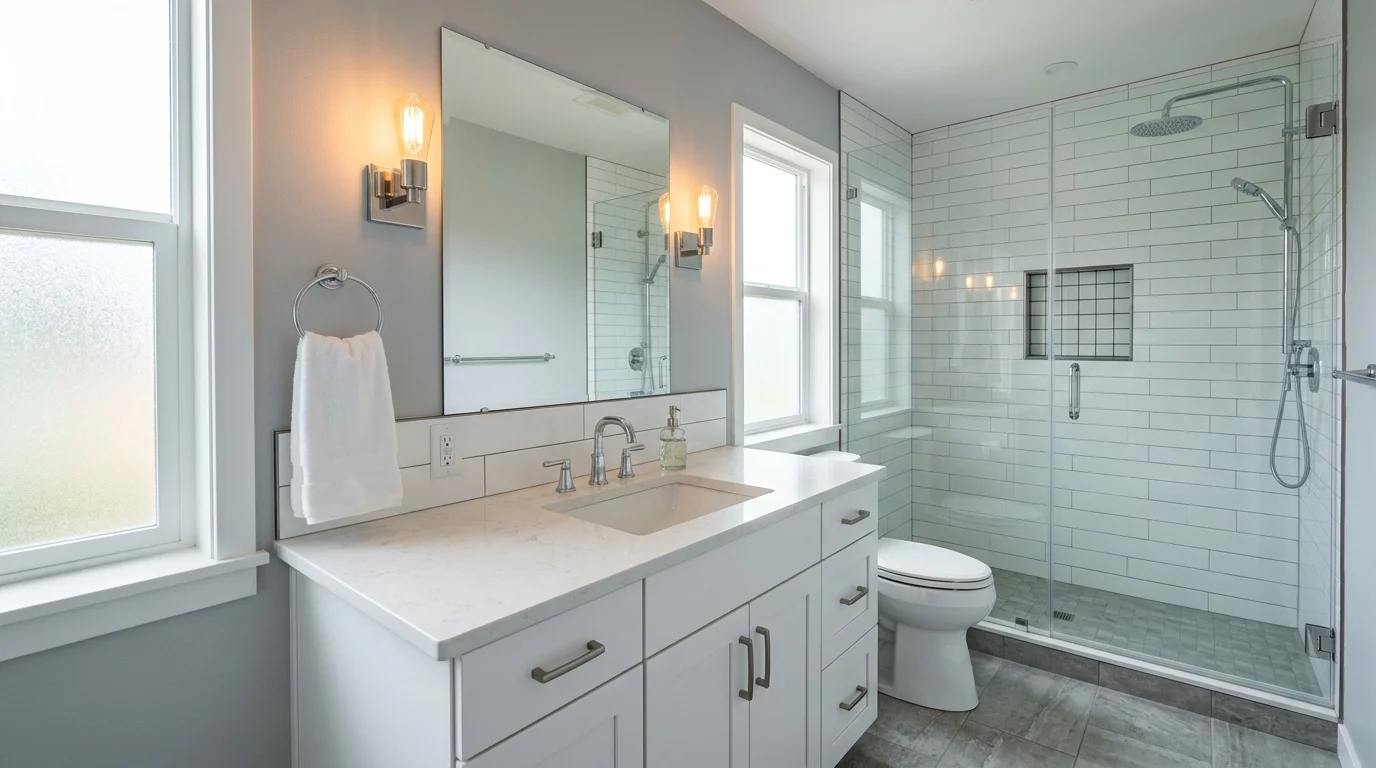
Clean and clear the space thoroughly. Remove construction debris, dust, and protective coverings from floors and surfaces. Inspectors need clear access to electrical panels, water shut-offs, HVAC equipment, and foundation areas. A clean space also signals professionalism and helps inspectors move efficiently through your home.
Gather all permits, plans, and documentation. Have your building permit, approved plans, and any inspection records from rough inspections ready to show the inspector. If your contractor pulled permits, confirm you have copies. This documentation proves the project was permitted and tracked through required checkpoints.
Request a pre-inspection walkthrough with your contractor. Most experienced contractors familiar with Seattle's specific permit timeline requirements will conduct their own walkthrough before calling the city inspector. They'll catch common deficiencies—improper vent stack placement, missing drain slope, unsecured electrical cables—and correct them before official inspection. This step alone prevents most re-inspection scenarios and keeps your project on schedule.
Ensuring Your Seattle Remodel Passes Final Inspection
Final inspections aren't optional bureaucracy—they're your legal proof that permitted work meets Seattle's building codes and protects your home's safety and value. Whether you needed a permit for your kitchen remodel, bathroom remodel, or structural changes, passing final inspection confirms that everything from electrical wiring to plumbing slopes to ventilation has been installed correctly and is ready for occupancy.
The key to a smooth final inspection is partnering with a licensed contractor who understands Seattle's specific code requirements and inspection timelines. Experienced remodelers catch potential issues during their own pre-inspection walkthroughs, preventing costly re-inspections and project delays. They know exactly what inspectors look for and ensure your home is inspection-ready—clean, documented, and compliant—before the city official arrives.
Final inspections protect you. They verify that your investment was completed to code, that hidden systems are safe, and that your home will pass future appraisals or sales inspections. Rather than viewing this as a final hurdle, see it as your contractor's final guarantee of quality.
Ready to start your remodel with confidence? Contact PNW Standard Remodel for a free estimate and let our Seattle-based team guide you through permits, inspections, and completion. We handle the complexity so you can enjoy your beautifully remodeled home.