(206) 707-5830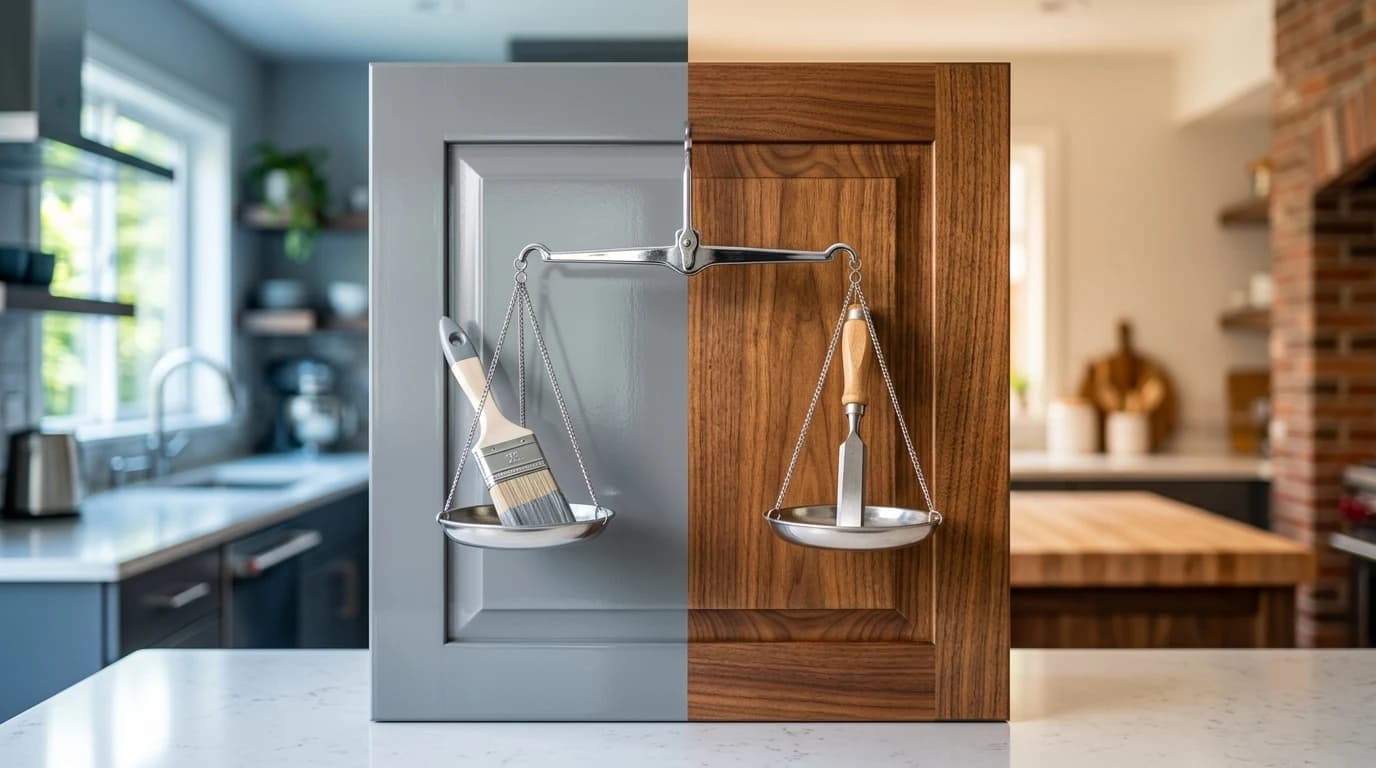

Cabinet painting and refinishing are two distinct methods for updating kitchen cabinets, offering different approaches to aesthetics, durability, and cost. For homeowners in Seattle weighing their options, understanding the key differences in cabinet painting vs refinishing Seattle projects is essential to making an informed, value-driven decision for their kitchen remodel.
What Cabinet Painting Involves: Process, Timeline, and Results
The Professional Painting Process
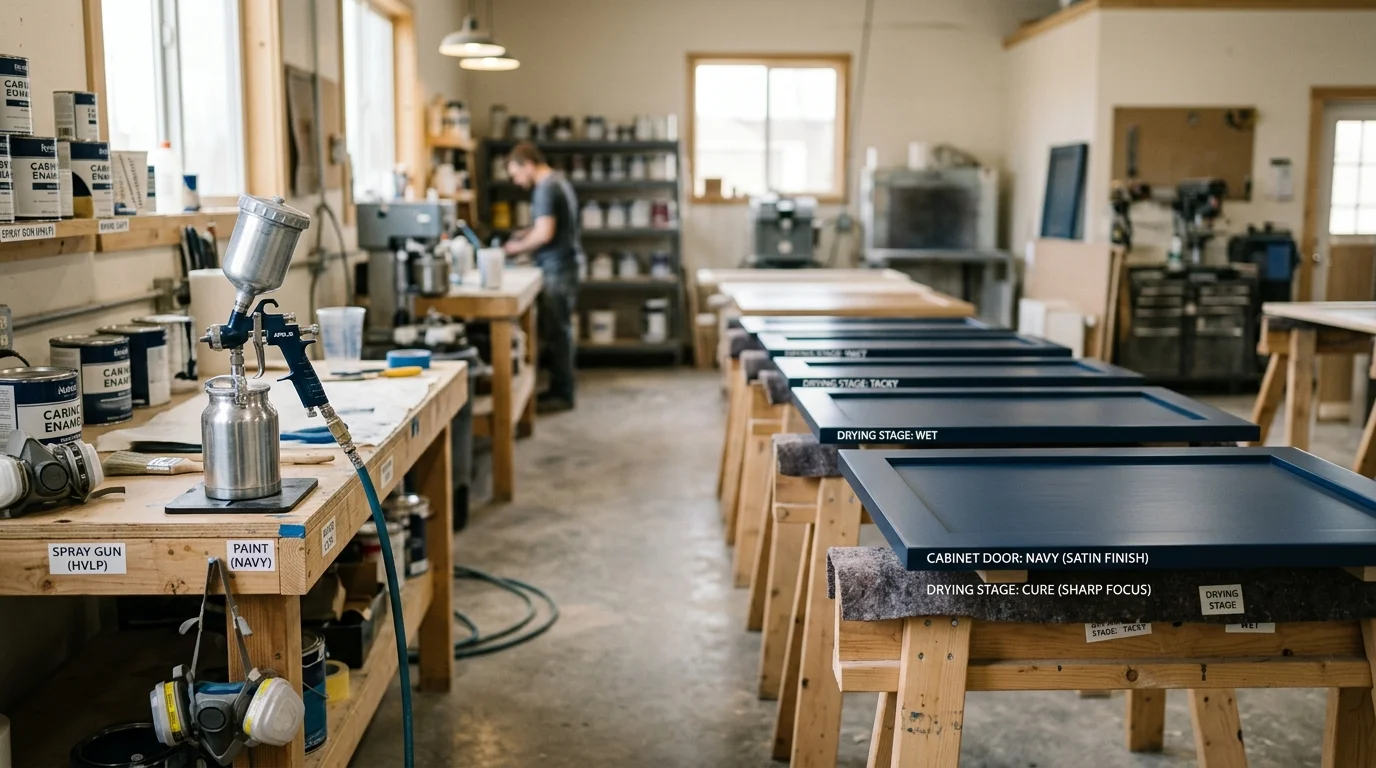
Professional cabinet painting is closer to a light-duty finishing project than a quick weekend paint job. A typical 5-step workflow looks like this:
Removal and labeling
Doors, drawer fronts, and hardware are removed, labeled, and taken to a controlled workspace. Boxes stay in place, which is one reason painting is less disruptive than a full replacement or refacing project.Cleaning and surface prep
Every surface is degreased, lightly sanded, and any small dings or gaps are filled. In Seattle kitchens, where moisture and cooking steam are constant, this prep step is what keeps paint from peeling or flashing later.Priming for adhesion
A bonding primer is sprayed or rolled on to grip slick factory finishes and oak grain. This is where painting diverges from a full refinishing: instead of stripping to bare wood, you're creating a stable base over the existing finish.Paint application and finish choice
Pros typically spray a high-quality cabinet enamel in multiple thin coats. Homeowners usually choose between:
- Satin – soft sheen, hides minor imperfections, forgiving in busy family kitchens.
- Semi-gloss – brighter, more wipeable, great near ranges and dishwashers.
- Matte – modern look but less stain-resistant; better in lower-traffic spaces.
If you're debating new custom cabinetry versus semi-custom options, painting can be a smart way to "test-drive" a color or door style before committing, especially in smaller kitchens where cabinet style dominates the room; this is similar to how homeowners explore layouts in a guide to the best cabinet options for small Seattle kitchens.
- Curing and reinstallation
Once the finish cures, doors and drawers are reinstalled, adjusted, and hardware is put back. Soft-close hinges or new pulls can be added at this stage for a mini-upgrade.
Timeline and Durability Expectations
In the Seattle area, a professional cabinet painting project typically runs about 3–5 days from setup to reinstallation, comparable to the shorter end of a cabinet refacing schedule and far faster than a full kitchen remodel timeline, which often stretches into weeks. According to the FAQ from Seattle Cabinet Renovations, this 3–5 day window is standard for most homes.
With proper prep and a hard-curing enamel, professionally painted cabinets usually last around 8–10 years before they need a refresh. Expect normal wear at high-touch points—trash pull-outs, under-sink doors, and around the range—but these can often be spot-touched rather than fully repainted.
Daily care is simple: wipe splatters quickly, avoid harsh abrasives, and use gentle cleaners. Compared with full refinishing, painting doesn't offer the same "like-new wood" longevity, but it delivers a major visual upgrade on a shorter schedule and with less disruption than replacing or refacing your cabinets.
Cabinet Refinishing Explained: Techniques, Costs, and Longevity
Cabinet refinishing takes restoration a step further than painting. Rather than applying a new color coat over existing surfaces, refinishing strips away the old finish entirely, sands the wood to bare grain, and applies fresh stain and protective sealers. This process preserves—or even enhances—the natural character of your wood, making it ideal if your cabinets are solid wood and you want them to look authentically restored rather than simply repainted.
Refinishing Process and Wood Preparation
The refinishing journey begins with stripping, where chemical or mechanical methods remove old paint, varnish, or lacquer down to bare wood. This is labor-intensive but essential: any residue left behind will telegraph through the new finish and compromise durability. Once stripped, the wood is sanded progressively with finer grits to create a smooth, even surface that accepts stain uniformly.
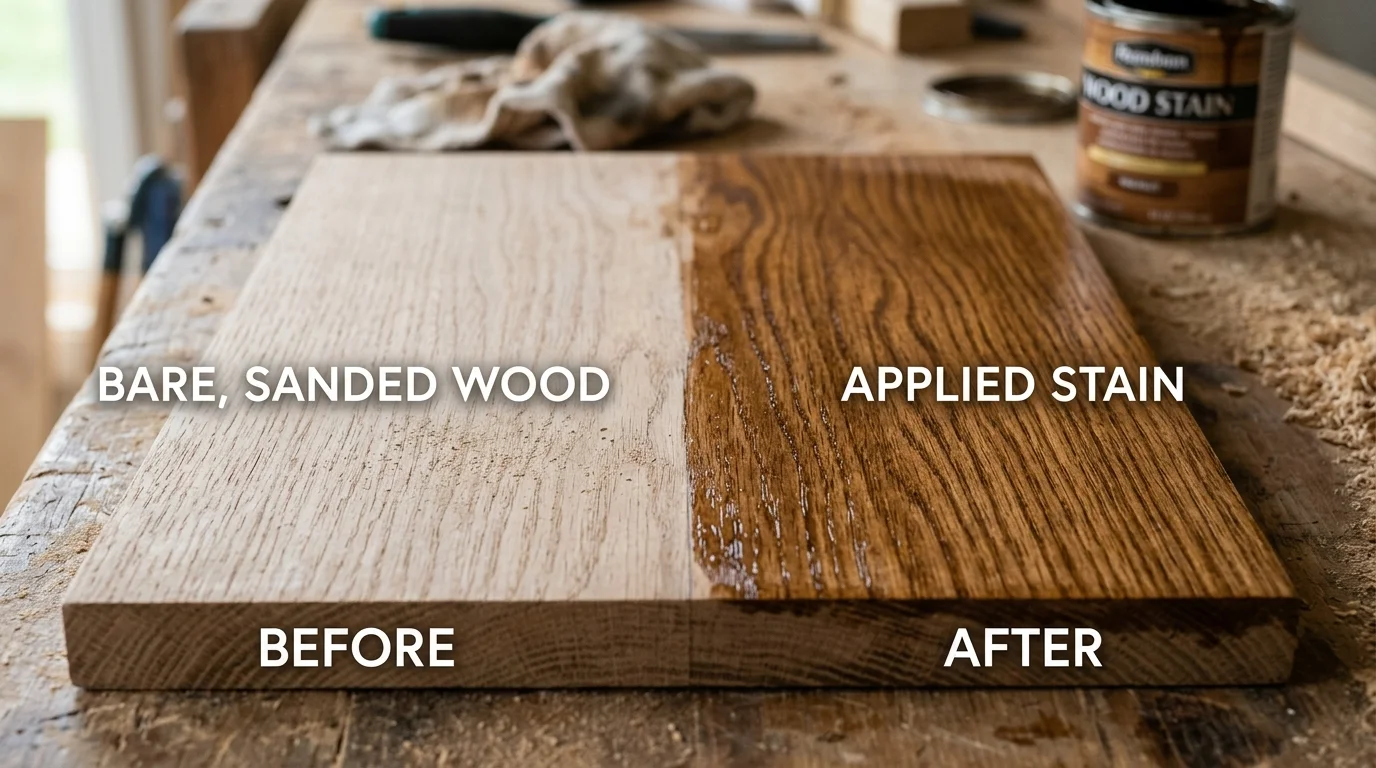
Stain selection is where refinishing truly shines. Unlike paint, which covers the grain, stain highlights it. White oak cabinets in the Seattle area benefit dramatically from refinishing because the wood's prominent grain pattern becomes a design feature rather than something hidden. You can choose from clear finishes that let the natural wood tone shine, or select custom stains that warm, cool, or deepen the appearance. After staining comes sealing—typically with multiple coats of polyurethane or catalyzed lacquer—to lock in color and provide long-term protection against moisture, heat, and daily wear.
Cost and Longevity of Refinished Cabinets
Refinishing is more expensive than painting due to the intensive labor involved in stripping and sanding. In Seattle, homeowners typically pay between $5,000 and $12,000 for a full kitchen refinishing project, depending on cabinet size, wood type, and finish complexity. While the upfront cost is higher, the payoff comes in longevity: refinished cabinets often last 15–20 years or more with proper care, significantly outperforming painted finishes in durability.
Because the new finish bonds directly to bare wood, refinished cabinets resist chipping, peeling, and wear far better than painted ones—especially important in Seattle’s humid coastal climate. High-traffic areas like drawer fronts and door edges hold up well, and minor scratches can often be buffed out or touched up without repainting entire surfaces. For homeowners planning to stay in their homes long-term or seeking a premium, natural wood aesthetic, refinishing offers lasting value that aligns with the craftsmanship standards common in Pacific Northwest homes.
Painting vs Refinishing: Direct Comparison of Cost, Durability, and Aesthetics
When deciding between cabinet painting and refinishing, the choice hinges on five critical factors: upfront investment, how long the finish will last, visual possibilities, maintenance demands, and project timeline. Understanding where each option excels—and where it falls short—helps you make a decision aligned with your budget, kitchen style, and long-term vision.
| Factor | Cabinet Painting | Cabinet Refinishing |
|---|---|---|
| Upfront Cost | $3,000–$8,000 (average kitchen) | $10,000–$15,000 (average kitchen) |
| Durability | 5–7 years with proper care | 10–20 years with proper care |
| Color Options | Virtually unlimited (any paint color) | Limited to wood stains and natural tones |
| Works on | Solid wood, laminate, particleboard, veneer | Solid wood only |
| Maintenance | Moderate (touch-ups needed over time) | Low (sealed wood resists moisture) |
| Timeline | 2–4 weeks | 3–6 weeks |
| Best for | Budget-conscious updates, design flexibility | Authentic restoration, long-term durability |
Cost Breakdown: Initial Investment vs Long-Term Value
Painting is the more affordable entry point. For a typical Seattle kitchen, professional cabinet painting runs $3,000 to $8,000, depending on cabinet size, current condition, and finish quality. Refinishing costs more upfront—$10,000 to $15,000—but the investment pays dividends over time. A refinished cabinet lasts 10–20 years; a painted cabinet typically holds up for 5–7 years before showing wear, peeling, or requiring touch-ups.
When calculating total cost of ownership over a decade, refinishing often becomes the more economical choice. You'll spend less on maintenance and won't need a second major project in five years. However, if you're planning to sell within 3–5 years or want to test a bold color before committing, painting delivers strong ROI. According to HomeGuide research, cabinet painting provides up to 80% return on investment when selling a home, making it one of the most cost-effective cosmetic updates before listing.
For context, full cabinet replacement—whether stock, semi-custom, or custom frameless designs—ranges from $4,500 to $15,000 just for the cabinets themselves, plus $1,933 to $10,772 for installation. Painting and refinishing both preserve your existing cabinet structure, making them far more budget-friendly than replacement while still delivering a transformed kitchen.
Aesthetic and Design Flexibility
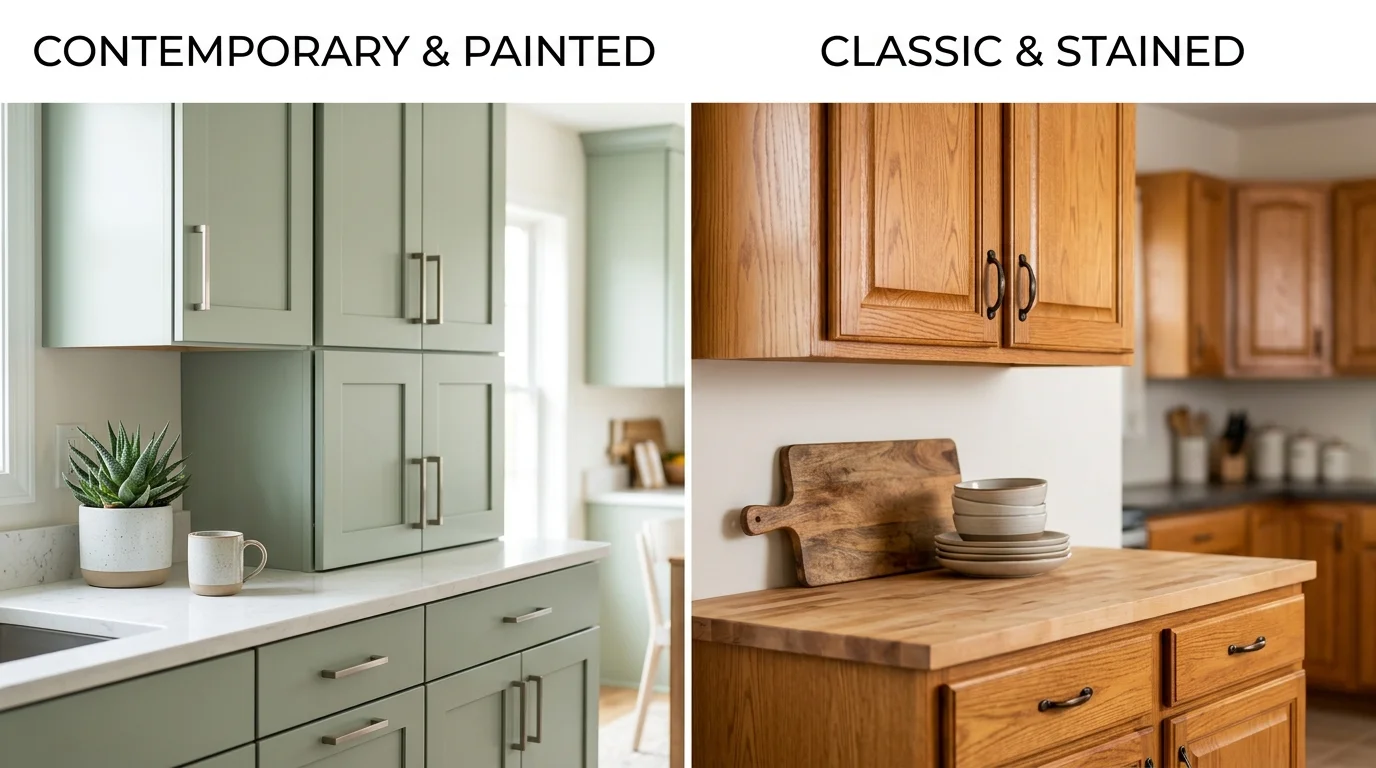
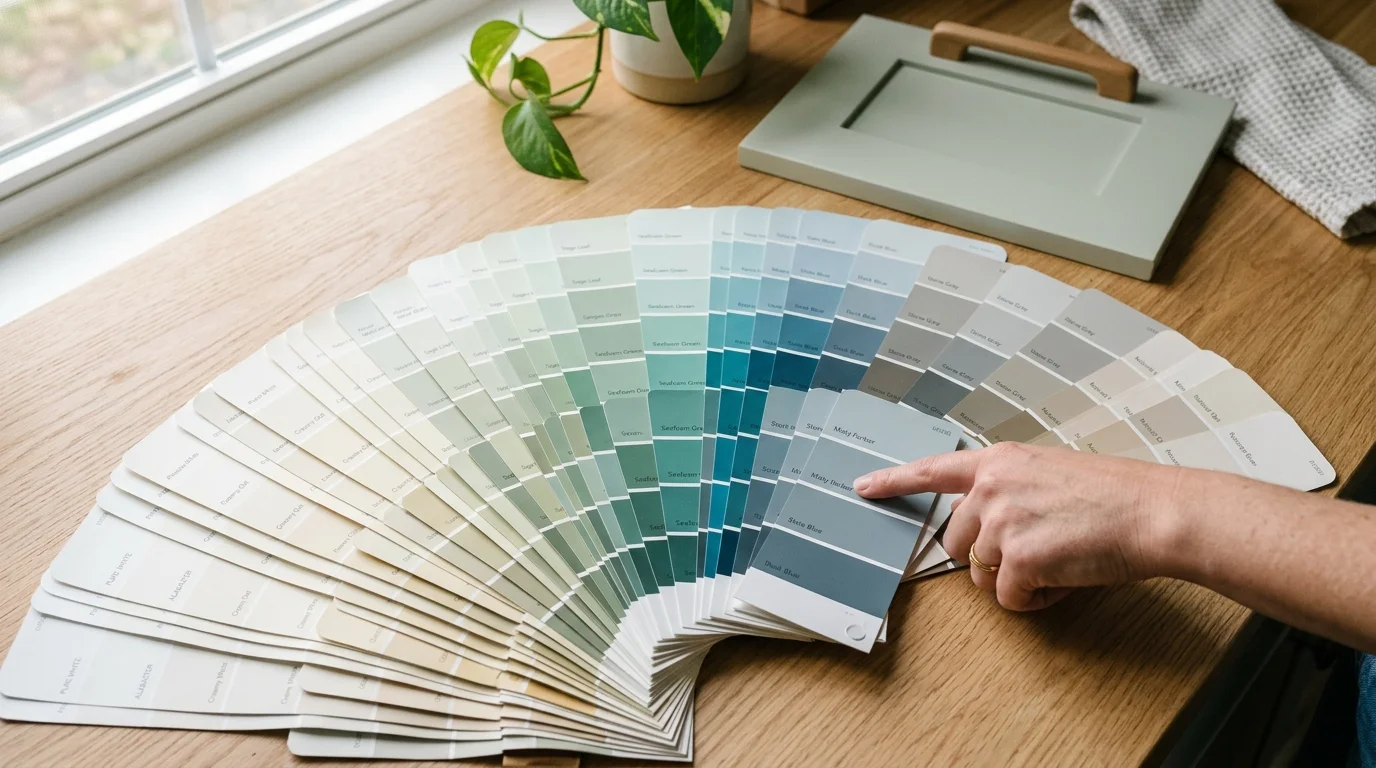
Painting wins decisively on color range and design flexibility. You can choose any paint color imaginable—from trendy sage green to crisp white to bold navy—and easily change your mind in five years. Matte, satin, and high-gloss finishes are all available, giving you control over the kitchen's visual personality. Painting works on any cabinet material: solid wood, laminate, particleboard, or veneer.
Refinishing, by contrast, celebrates the natural wood grain. Your palette is limited to wood stains—from light honey to deep espresso—and the finish highlights the authentic character of your cabinetry. If your cabinets are solid wood with beautiful grain, refinishing reveals that beauty in ways paint cannot. However, if your cabinets are laminate or particleboard, refinishing isn't an option at all.
For homeowners pursuing a specific aesthetic—whether modern minimalist, farmhouse, or transitional—painting offers more creative freedom. If you want to preserve and showcase quality wood cabinetry, refinishing delivers unmatched authenticity. Consider your kitchen's overall design direction and whether you value flexibility or timeless wood character when making this choice.
Choosing Between Painting and Refinishing: Key Factors for Seattle Homeowners
The decision between painting and refinishing isn't one-size-fits-all—it depends on your specific situation, budget, timeline, and what you want your kitchen to feel like. Before committing to either option, ask yourself a few critical questions: What condition are my cabinets actually in? Am I drawn to bold, modern colors or the warmth of natural wood? How much can I realistically spend, and how soon do I need the work finished? Your answers will point you toward the right choice.
When Painting is the Right Choice
Painting makes sense when you're working with a tight budget and want maximum visual impact. If your cabinets are structurally sound but visually dated—or if they're made of laminate, particleboard, or veneer—painting is your most practical option. Refinishing simply won't work on these materials, but paint adheres beautifully and transforms them completely. Painting also wins if you're pursuing a specific aesthetic: modern minimalist whites, farmhouse creams, bold navy blues, or trendy sage greens. You get design flexibility that refinishing can't match. If you have a smaller kitchen and want to make it feel more spacious with lighter tones, or if you're planning to sell soon and want broad appeal, painting delivers faster results at lower cost. Timeline matters too—painting typically takes 1-2 weeks for a full kitchen, while refinishing can stretch to 3-4 weeks.
When Refinishing is the Better Option
Refinishing is the right call when you have solid wood cabinets with beautiful grain that deserves to be showcased. If your cabinets are structurally excellent but just look tired or dated, refinishing restores their authentic character in ways paint cannot. This approach suits traditional, transitional, or farmhouse kitchen designs where natural wood warmth anchors the space. Refinishing also makes sense if you're committed to staying in your home long-term and want a finish that will age gracefully. The stain-and-seal process creates a more durable, repairable surface than paint—if a cabinet door gets dinged years later, a refinisher can touch it up seamlessly. For homeowners who value longevity and authenticity over trend-chasing, refinishing delivers timeless appeal. If you're exploring best cabinet options for small kitchens in Seattle and already have quality wood cabinetry, refinishing preserves that investment while opening up the space visually through stain color choices.
Consider your cabinet material first. If you have laminate, veneer, or particleboard, painting is your only viable option. If you have solid wood, both paths are open—now it's about aesthetics and budget. Think about your kitchen's design direction. Are you modernizing or honoring tradition? Paint enables reinvention; refinishing celebrates heritage. Factor in your timeline. If you need cabinets ready in two weeks, painting is faster. If you can wait a month for superior durability and natural beauty, refinishing rewards patience. Assess your budget realistically. Painting costs less upfront but may need refreshing in 7-10 years. Refinishing costs more initially but lasts 15+ years with minimal maintenance. The right choice is the one that aligns with your kitchen's bones, your design vision, and your practical constraints.
Making Your Cabinet Decision: Next Steps for Your Seattle Kitchen Remodel
By now, you understand the core distinction: cabinet painting delivers quick, budget-friendly transformation, while refinishing offers durability and the rich aesthetic of restored wood. Neither choice is universally "better"—the right decision depends entirely on your kitchen's current state, your design goals, and your financial timeline.
The path forward is straightforward. Start by honestly assessing your cabinet material. Solid wood opens both doors; laminate, veneer, or particleboard narrows your options to painting alone. Next, clarify what you want your kitchen to feel like in five years. Are you modernizing with fresh color and clean lines, or honoring the warmth of natural wood grain? Paint enables reinvention; refinishing celebrates heritage. Finally, align your choice with practical constraints—budget, timeline, and how much kitchen disruption you can tolerate.
This is where professional guidance becomes invaluable. At PNW Standard Remodel, we've guided hundreds of Seattle homeowners through this exact decision. A free in-home estimate allows us to evaluate your specific cabinets, understand your vision, and recommend the approach that delivers the best return on your investment. We'll walk you through realistic timelines, material options, and long-term maintenance expectations so you move forward with confidence.
Don't let cabinet uncertainty delay your kitchen refresh. Schedule your free estimate today, and let's transform your kitchen into the space you've been imagining.