(206) 707-5830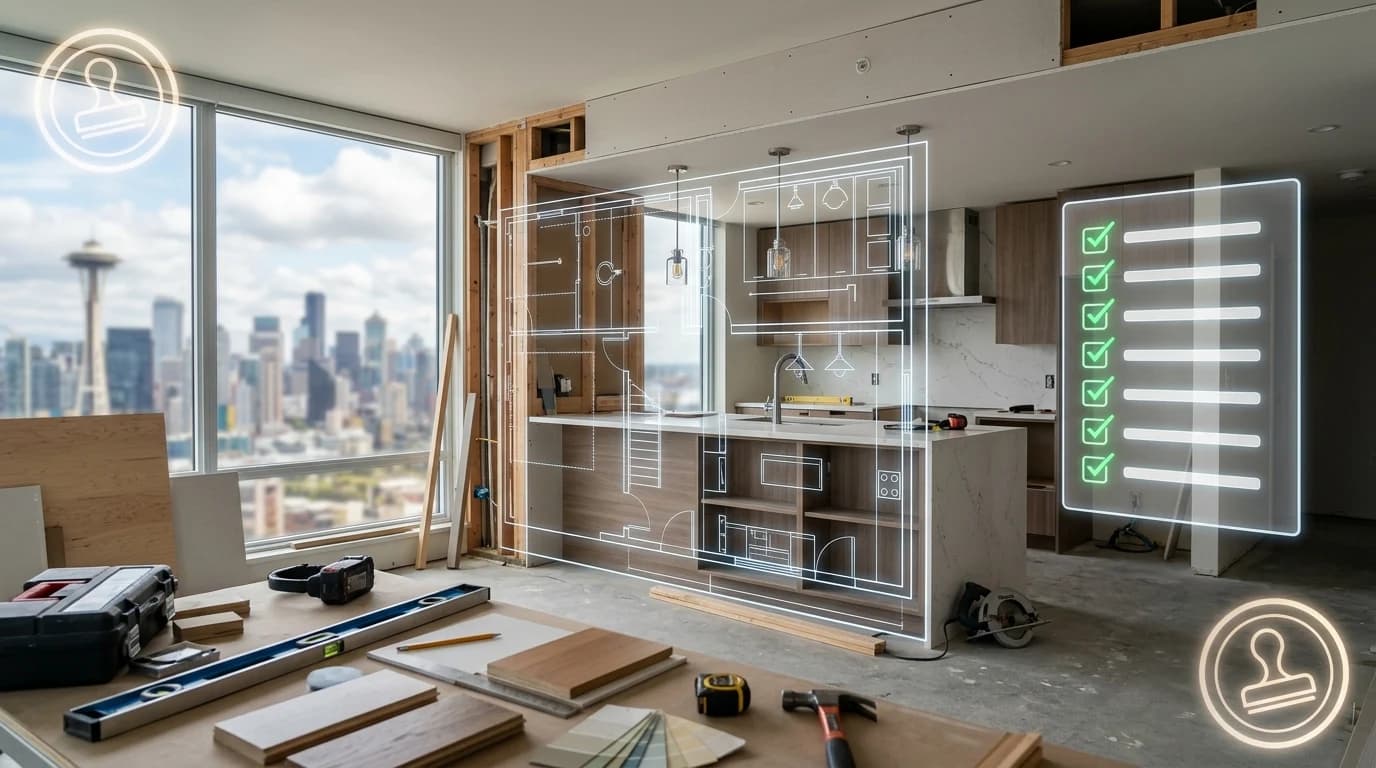

Remodeling your Seattle condo involves navigating a layer of complexity that single-family homeowners typically avoid. Unlike houses with independent ownership, condos operate under Homeowners Association rules that govern everything from structural changes to aesthetic choices. This means your kitchen remodel or bathroom renovation requires approval beyond just Seattle's building department—you're answering to your HOA board as well. Understanding these dual approval pathways upfront saves months of delays and prevents costly rework down the line.
Quick Answer:
Yes, HOA approval is almost always required for Seattle condo remodels, even for interior work. Most HOA boards require written approval before you pull permits, and some restrict the timing, materials, and scope of your project. Start your approval process 4-8 weeks before construction to account for board review cycles.
What makes condo remodeling different isn't just the paperwork—it's the intersection of shared responsibility. Your HOA likely has design guidelines, noise restrictions, common area access rules, and approval timelines baked into your CC&Rs (Covenants, Conditions & Restrictions). A kitchen remodel Seattle condo owners pursue might need HOA sign-off on cabinet colors, countertop materials, and ventilation solutions. Similarly, a bathroom remodel in a Seattle condo could face restrictions on plumbing modifications that affect shared walls, waterproofing standards, and fixture placement.
This guide walks you through the approval process, common restrictions you'll encounter, permit requirements specific to condos, and realistic project timelines. Whether you're planning a minor refresh or a full gut renovation, knowing these rules upfront keeps your project on track and your relationship with your HOA intact.
Table of Contents
- Seattle Condo HOA Approval Process: Step-by-Step
- What Documents You Need to Submit to Your HOA
- Typical HOA Review Timeline in Seattle
- Seattle City Permits vs. HOA Approval: Do You Need Both?
- Common Condo Remodels That Require City Permits
- Common HOA Restrictions on Seattle Condo Remodels
- Noise, Quiet Hours, and Neighbor Notification Requirements
- Elevator and Common Area Access Rules
- Contractor Insurance and Bonding Requirements
- Kitchen and Bathroom Remodel Costs in Seattle Condos
- Why Condo Remodels Cost More Than Single-Family Homes
- What Happens If You Remodel Without HOA Approval
- How to Plan Your Seattle Condo Remodel Timeline
- Moving Forward: Your Seattle Condo Remodel Roadmap
Seattle Condo HOA Approval Process: Step-by-Step
Getting HOA approval for your condo remodel in Seattle isn't a single conversation—it's a structured process with specific documentation requirements, review timelines, and decision points. Understanding each step prevents costly delays and keeps your project moving forward without surprises.
The approval journey typically unfolds over 30 to 60 days, though some boards respond faster. The key is submitting a complete, professional application that gives your HOA board everything they need to evaluate your project fairly. Incomplete submissions get rejected or sent back for revisions, which stretches timelines unnecessarily.
What Documents You Need to Submit to Your HOA
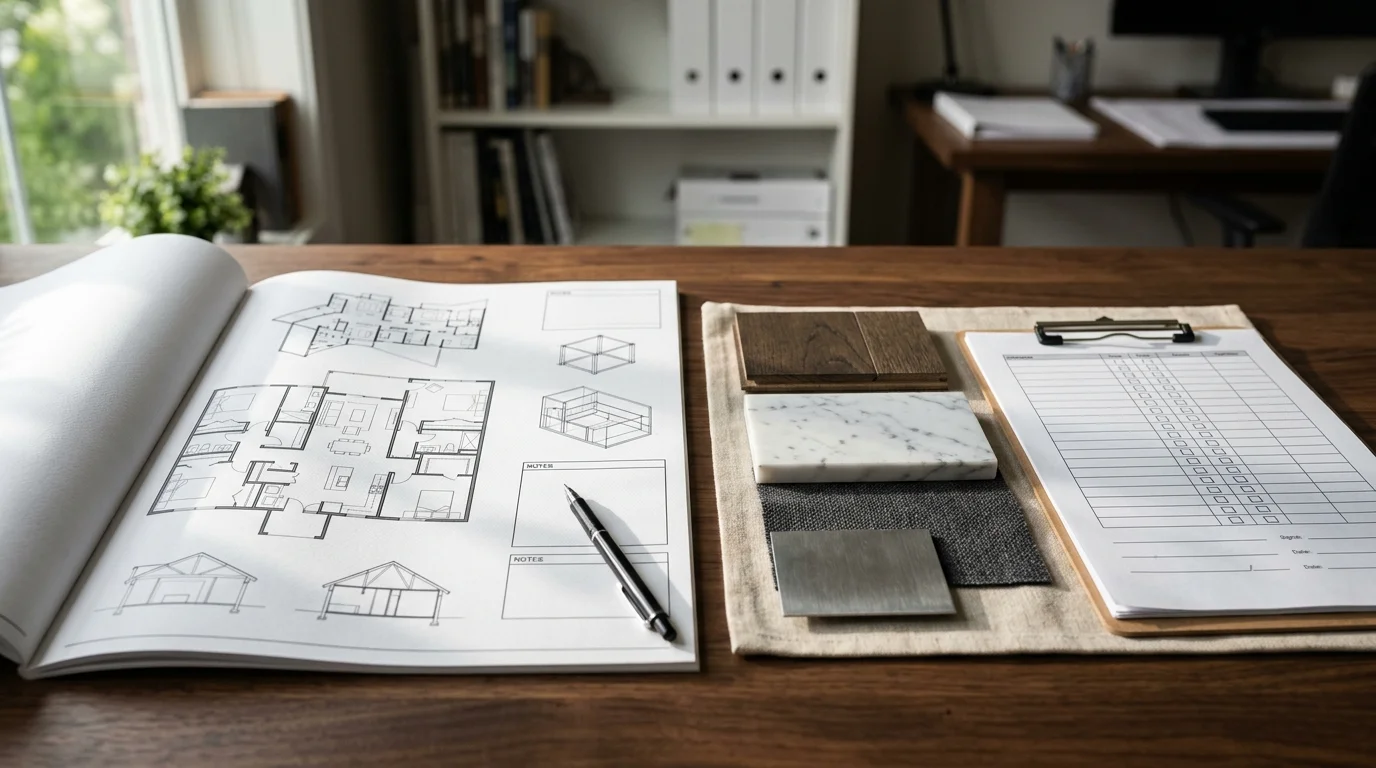
Your HOA submission package should include architectural drawings or detailed plans showing the scope of work, material specifications, contractor information with proof of licensing and insurance, a realistic project timeline, and any utility or structural change disclosures. Each document serves a specific purpose in the board's evaluation.
Architectural plans demonstrate that your remodel complies with building codes and HOA design guidelines. Include floor plans, elevations, and material samples for finishes like flooring, countertops, and paint colors. Contractor information—including their business license, liability insurance, and worker's compensation coverage—reassures the HOA that work will be performed professionally and that they're protected if damage occurs. Your project timeline shows the HOA when construction will happen, how long it will take, and whether noise or common area disruptions are expected. For structural or plumbing changes, include engineer certifications or detailed scope documents explaining how the work affects shared walls, ventilation systems, or building infrastructure.
Many Seattle condo buildings require specific forms or checklists. Contact your HOA management company directly to request their architectural review application. Some boards have templates; others expect you to provide plans in a particular format. Getting this detail right upfront prevents rejection on procedural grounds alone.
Typical HOA Review Timeline in Seattle
Once you submit your complete application, the HOA board typically has 30 to 45 days to review and respond. Under Washington state law RCW 64.90.513(3)(c), if an HOA application is not denied in writing within 60 days of receipt, it is deemed approved by default. This default approval provision protects you if your board is slow, though most Seattle HOAs respond well before that deadline.
During the review period, the board examines your plans against the condo's CC&Rs, design guidelines, and architectural standards. They may request clarifications—for example, asking whether your kitchen ventilation solution complies with shared wall restrictions, or requesting samples of cabinet finishes for a Belltown condo remodel. Respond to these requests promptly; delays here extend the overall timeline.
Follow up with your HOA management company around day 25 if you haven't heard anything. A simple email asking for a status update often accelerates the process. Some boards offer expedited reviews for straightforward projects, though this varies by building. Ask whether your remodel qualifies—a bathroom refresh with no structural changes might qualify, while a kitchen overhaul involving plumbing modifications typically requires full review.
Once approved, you'll receive written approval, often with conditions. Read these carefully. Common conditions include requirements to use specific contractors, restrictions on construction hours, mandatory elevator reservations, and requirements to carry additional insurance. These aren't obstacles—they're your roadmap for keeping the project compliant and your relationship with the HOA smooth.
If approval is denied, the board must provide written reasons. Common denial grounds include design incompatibility with building aesthetics, structural concerns, or inadequate contractor documentation. You can revise your proposal and resubmit, addressing the specific concerns. Many denials aren't final; they're invitations to refine your approach. Work with your contractor and the HOA to understand what changes would make the project approvable, then resubmit with revised plans.

Seattle City Permits vs. HOA Approval: Do You Need Both?
Yes—and they're entirely separate processes. This is the most common source of confusion for condo owners. HOA approval addresses your building's internal rules and aesthetics; Seattle city permits address building codes, safety, and zoning compliance. One does not replace the other. You need both when your project triggers either requirement, and proceeding without the necessary approval can result in fines, forced removal of work, or legal action from either the city or your HOA.
Think of it this way: the HOA protects the building community; Seattle's Department of Construction and Inspections (SDCI) protects public safety and structural integrity. A cosmetic bathroom refresh might need HOA approval but no city permit. A condo kitchen ventilation remodel in Seattle, by contrast, almost always requires both—HOA sign-off for design and building integration, plus a city permit because ventilation systems affect building codes and shared spaces.
The timeline matters too. You'll typically submit to the HOA first (2–4 weeks for review), then apply for city permits once you have written HOA approval. Some contractors handle both applications, but the responsibility ultimately falls on you as the property owner. Getting HOA approval doesn't guarantee the city will permit your project, and vice versa—though in practice, if your contractor is experienced with condo remodels in Seattle, they'll design the project to satisfy both requirements from the start.
Common Condo Remodels That Require City Permits
Kitchen remodels with new appliances or ventilation: Any kitchen project involving a new range hood, cooktop, or ductwork requires a permit. Ventilation systems tie into building exhaust infrastructure, and improper installation can create moisture and mold issues in shared walls. Even if you're only replacing an existing hood with a similar model, SDCI typically requires permit review to confirm the installation meets current code.
Bathroom plumbing changes: Moving fixtures, adding a second bathroom, or upgrading to a larger shower requires permits. Plumbing ties into building supply and waste lines, and any modification must be inspected to prevent leaks that damage neighboring units.
Electrical upgrades: Adding circuits, upgrading panel capacity, or installing new outlets in kitchens and bathrooms requires permits. Electrical work is safety-critical and must be inspected.
Window replacement: Exterior windows affect the building envelope and weatherproofing. Replacement windows need permits, though interior-only changes (like replacing interior trim) typically don't.
Structural modifications: Removing walls, relocating support beams, or altering floor plans requires structural engineering review and permits. This is rare in condos but occasionally happens in larger units.
| Project Type | City Permit Required? | HOA Approval Required? | Why Both Matter |
|---|---|---|---|
| Paint, flooring, countertops | No | Yes | Aesthetic consistency; HOA controls design standards |
| Condo kitchen ventilation remodel Seattle | Yes | Yes | Code compliance + building integration + design approval |
| Bathroom plumbing changes | Yes | Yes | Structural/code safety + building aesthetics |
| Electrical upgrades | Yes | Yes | Safety inspection + HOA oversight of work |
| Window replacement | Yes | Yes | Building envelope integrity + exterior appearance |
| Cosmetic bathroom updates (no plumbing) | No | Yes | Design approval only; no code triggers |
For a condo remodel permits Seattle project, your contractor should clarify upfront which permits apply. If they're unsure, that's a red flag—experienced remodelers know the difference and plan accordingly. Skipping a required permit doesn't save time; it creates liability and can halt your project mid-way through inspection.
Common HOA Restrictions on Seattle Condo Remodels
Seattle condo HOAs exist to protect shared spaces and maintain quality of life for all residents. When you're planning a kitchen or bathroom remodel, the restrictions you'll encounter aren't arbitrary—they're designed to minimize disruption, protect building infrastructure, and preserve the property's value. Understanding these rules upfront prevents costly delays and keeps your project on track.
Noise, Quiet Hours, and Neighbor Notification Requirements
Most Seattle condo buildings enforce strict noise windows. Many Seattle condos prohibit construction work before 8 a.m. or after 5 p.m. on weekdays, with even tighter restrictions on weekends—often no work before 10 a.m. Saturday and Sunday, or no weekend work at all. These aren't suggestions; violations can result in fines, work stoppages, or legal action from your HOA.
Beyond the hours themselves, notification matters. Your HOA typically requires 5–10 days' written notice to neighbors before work begins, sometimes with posted signage in common areas. Some buildings demand direct notification to adjacent units, especially for bathroom remodels where plumbing work creates vibration and noise. If a neighbor files a noise complaint during approved hours, document the time and respond professionally—don't escalate. A single complaint doesn't stop your project, but repeated violations do.
Elevator and Common Area Access Rules
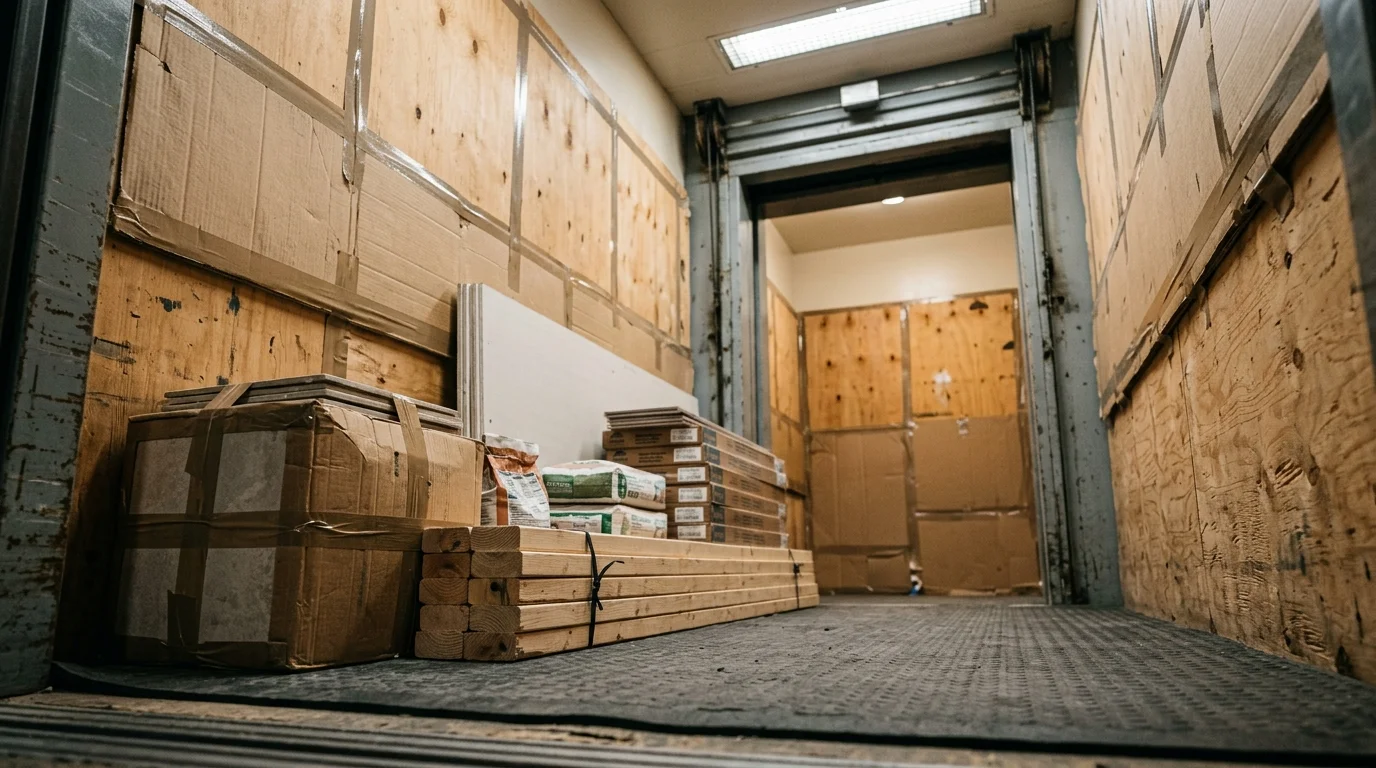
In multi-unit buildings, delivery elevator rules for Seattle condo remodels directly impact your budget and timeline. Most HOAs require advance reservation of freight elevators—sometimes 48 hours notice, sometimes longer during peak seasons. You'll pay a reservation fee (typically $50–$150 per day) and must protect elevator interiors with plywood or cardboard. Hallways and lobbies need floor protection too; damage deposits are common, and repairs come out of your pocket.
Staging areas matter. Your contractor can't occupy common hallways as a materials depot or workspace. Dumpsters must be placed in designated areas, not blocking fire exits or resident access. Parking restrictions often apply—contractor vehicles may be limited to specific spaces or times. These logistics add days to your timeline and affect both condo bathroom remodel cost Seattle and condo kitchen remodel cost Seattle estimates.
Contractor Insurance and Bonding Requirements
Your HOA will demand proof of contractor credentials before work starts. General liability insurance of $1 million minimum is standard; workers' compensation is mandatory if the contractor has employees. Many buildings also require a performance bond—essentially insurance that the contractor completes the work as promised.
Before hiring, ask your contractor to provide certificates of insurance listing the HOA as an additional insured. If they hesitate or say "we'll get it later," find someone else. Missing or inadequate insurance can void your HOA approval and expose you to liability if a worker is injured on your property. Verify coverage directly with the insurance company—don't just accept a photocopy. This step takes 10 minutes and prevents months of headaches.
Kitchen and Bathroom Remodel Costs in Seattle Condos
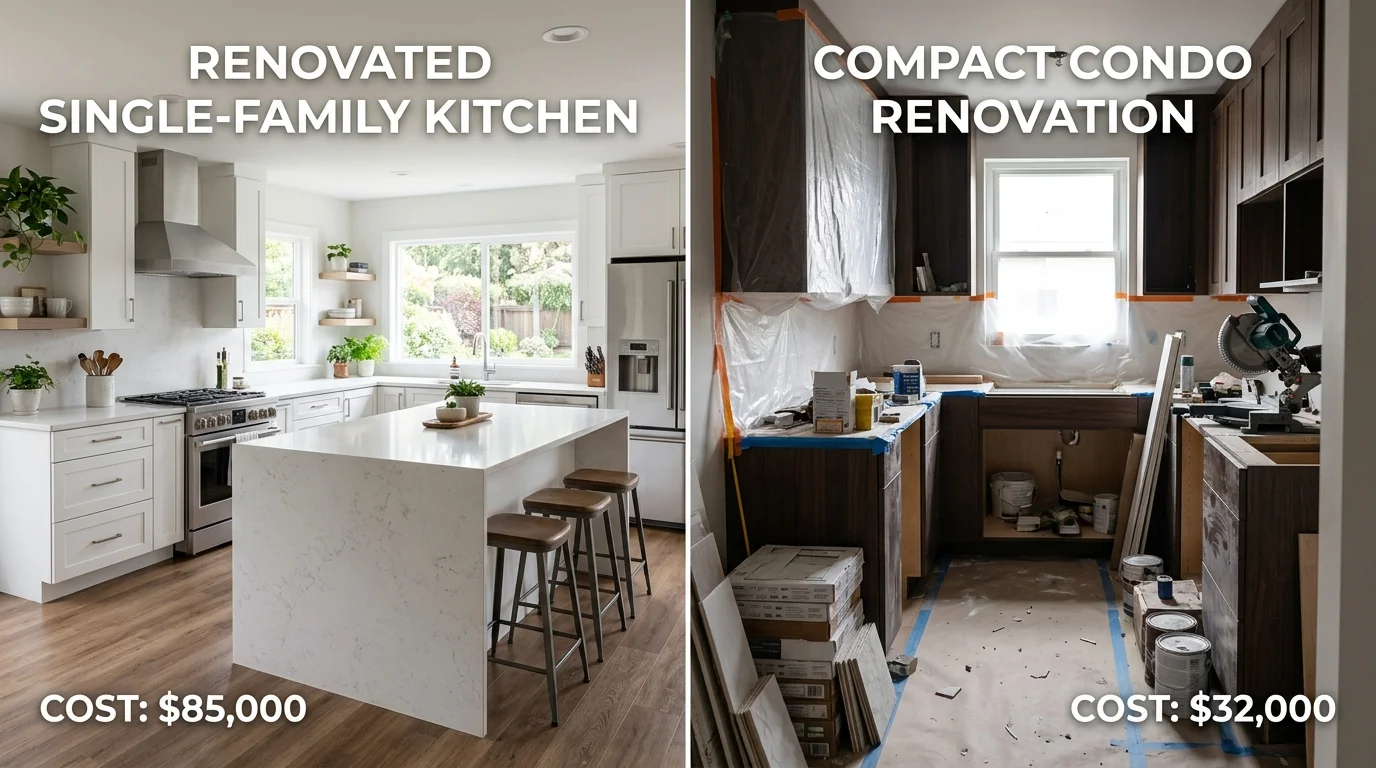
Condo remodels in Seattle cost significantly more than comparable single-family home projects—often 20–40% higher. A mid-range kitchen that runs $55,000–$75,000 in a house can easily stretch to $80,000–$100,000+ in a condo. Bathrooms follow the same pattern: what costs $8,000–$25,000 for a standard renovation in a single-family home may reach $12,000–$30,000+ in a condo setting. These premiums aren't arbitrary markups; they reflect real operational constraints imposed by shared building infrastructure and HOA governance.
Why Condo Remodels Cost More Than Single-Family Homes
The cost differential stems from five concrete factors. First, elevator reservations and fees add $500–$2,000 per project. Many Seattle buildings charge hourly rates for exclusive elevator use, and contractors must coordinate around resident schedules. Second, extended timelines driven by noise restrictions increase labor costs. If your HOA limits work to 8 a.m.–5 p.m. on weekdays only, a two-week project becomes three weeks—your crew's overhead compounds. Third, contractor scheduling constraints mean fewer workers can access the unit simultaneously. Single-family homes allow multiple trades to work in parallel; condos often require sequential work to avoid congestion in shared hallways. Fourth, protection of common areas requires temporary flooring, wall guards, and elevator padding—costs that don't exist in detached homes. Finally, shared wall and utility complications demand extra coordination with building management and neighboring units, adding administrative time your contractor must bill.
| Project Type | Budget Range | Timeline | Key Cost Drivers |
|---|---|---|---|
| Small bathroom remodel | $8K–$20K | 3–4 weeks | Fixtures, tile, labor coordination |
| Mid-range kitchen | $25K–$50K | 6–10 weeks | Cabinets, countertops, appliances, permits |
| High-end kitchen | $60K–$120K+ | 10–16 weeks | Custom cabinetry, premium finishes, structural work |
For budget-conscious owners, small condo kitchen ideas in Seattle often focus on cabinet refinishing or semi-custom options rather than full replacement. Repainting existing cabinetry, upgrading hardware, and installing new countertops can deliver significant visual impact for $15,000–$30,000—a fraction of a full kitchen overhaul. When you're working within HOA constraints and condo-specific cost premiums, strategic choices matter more than square footage.
What Happens If You Remodel Without HOA Approval
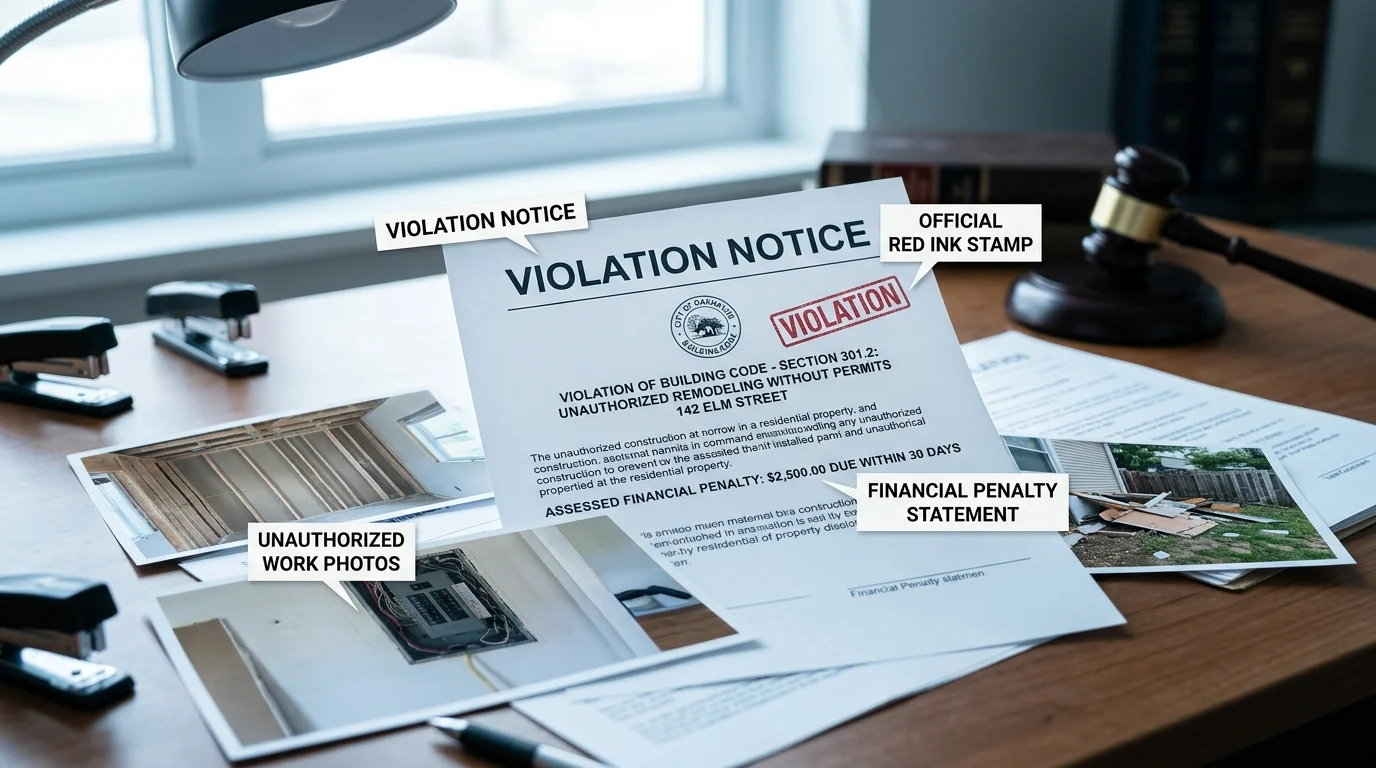
Skipping HOA approval might seem like a shortcut, but it's the fastest way to turn a dream remodel into a financial and legal nightmare. Washington State condo law gives HOAs real enforcement teeth. According to the Homeowners Protection Bureau, under RCW 64.34, associations can impose fines, require you to restore your unit to its original condition at your own expense, and in extreme cases, place liens on your property or pursue foreclosure for serious violations.
The financial consequences stack quickly. Most Seattle HOAs levy fines of $50–$500 per day for unauthorized work—meaning a two-month remodel can generate $3,000–$30,000 in penalties before you've even addressed the underlying violation. Beyond fines, you'll face restoration costs. If you've removed a load-bearing wall, replaced plumbing, or altered the exterior without approval, the HOA can demand you hire a contractor to return everything to original condition. That bill often exceeds what you spent on the remodel itself.
A Belltown condo owner who installed custom cabinetry without approval faced $8,000 in fines plus a $12,000 restoration order—and still couldn't sell the unit until the violation was resolved. Another Seattle case involved a kitchen remodel that violated ventilation rules; the owner paid penalties, removed new ductwork, and lost six months on a pending sale while the dispute dragged through the HOA's legal process.
Beyond dollars, unapproved work creates a title defect. Buyers' lenders won't finance a unit with an active HOA violation. Your unit becomes nearly unsellable until the violation is cured. The stress of legal disputes, the risk of a lien blocking refinancing, and the administrative burden of fighting your own HOA make the 30-minute conversation to get approval upfront look like the bargain it truly is.
How to Plan Your Seattle Condo Remodel Timeline
Realistic timeline planning separates successful condo remodels from projects that spiral into conflict and cost overruns. Most Seattle condo owners underestimate how long the approval and permitting phases take—often by weeks or even months. The entire process, from initial planning to move-in, typically spans 3–6 months, with the approval and permitting stages consuming half that time.
Start by allocating 2–4 weeks to gather documentation and prepare your HOA proposal. This phase involves collecting floor plans, specifications, material samples, and contractor details. Rushing this step forces you to resubmit incomplete applications, which delays everything downstream. Once your proposal is ready, expect 4–6 weeks for HOA review and approval. Some boards meet monthly; others require multiple rounds of revision. Parallel to HOA review, budget 1–2 weeks for city permit applications through Seattle's Department of Construction and Inspections (SDCI), followed by another 1–2 weeks for permit approval—though complex projects involving structural changes or ventilation modifications can stretch to 3–4 weeks.
Construction timelines vary significantly by scope. A bathroom remodel typically runs 2–4 weeks; a kitchen remodel, 4–8 weeks. However, condo-specific constraints add time. Delivery elevator rules for condo remodels in Seattle restrict when materials can enter the building, often limiting access to specific hours or days. Kitchen ventilation remodel requirements—particularly for condos with shared walls—may require ductwork modifications that add 1–2 weeks to the schedule. These aren't delays; they're built-in realities of condo living.
Accelerate the process by hiring an experienced contractor familiar with Seattle condo HOA approval. They know which documentation boards expect and can pre-meet with your HOA board to identify concerns before formal submission. This single step often shaves 2–3 weeks off the timeline. Additionally, review delivery elevator rules for condo remodels in Seattle and kitchen ventilation solutions for Seattle condo remodels early to avoid mid-project surprises.
Rushing approval or skipping proper documentation creates rework cycles that cost far more time than patience upfront. Plan for 3–6 months total, and you'll avoid the stress of illegal work orders and HOA disputes.

Moving Forward: Your Seattle Condo Remodel Roadmap
HOA approval isn't a bureaucratic hurdle to rush through—it's the foundation of a legally sound, stress-free remodel. Skipping it or treating it as an afterthought creates the exact problems this guide warned against: work stoppages, fines, forced removals, and disputes that cost far more than patience upfront. The path forward is straightforward when you follow it in the correct order.
Your action checklist:
Review your condo documents — Obtain your CC&Rs and architectural guidelines from your property manager. Spend time understanding what your specific HOA actually restricts; not all Seattle condo boards have identical rules.
Consult with your HOA board or property manager — A brief conversation now prevents rejection later. Ask which documentation they require and whether pre-approval meetings are standard practice.
Hire a condo-experienced contractor — This is non-negotiable. A team familiar with Seattle condo HOA approval knows what boards expect and can guide your design choices before formal submission. They'll also help you understand Seattle condo remodel permits and coordinate with city requirements.
Submit your approval request with complete documentation — Detailed plans, material samples, and contractor credentials. Incomplete submissions get rejected and restarted.
Obtain city permits after HOA approval — Never the reverse. SDCI won't issue permits without HOA sign-off on condo projects.
Schedule work respecting all HOA rules — Elevator reservations, noise hours, material delivery windows. These aren't suggestions.
If you're planning a kitchen or bathroom remodel in a Seattle condo, our team specializes in HOA-compliant renovations. Contact us for a free consultation to discuss your project and timeline.