(206) 707-5830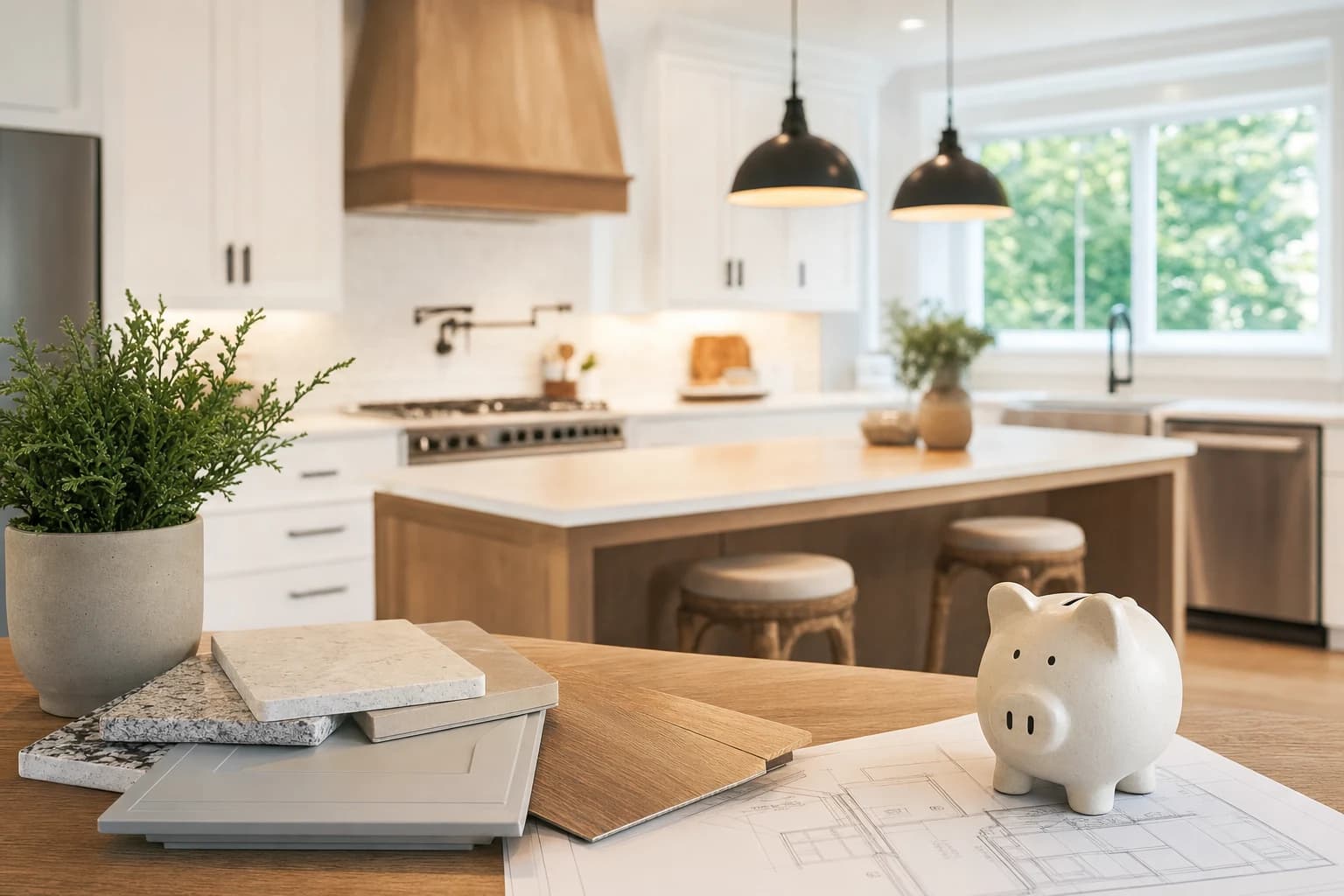

Quick Answer:
Kitchen remodel costs in Kirkland, WA for 2026 typically range from $22,323 to $30,564 for mid-range projects, with high-end renovations reaching up to $49,787 or more, depending on materials and layout changes, according to data from 336 recent projects in the area. While some updates may start near $10,000, full-scale transformations often approach $85,000, especially with premium finishes and structural adjustments. This guide breaks down average costs, examines what drives pricing in the Puget Sound region—including influences from nearby markets like Seattle and Bellevue—and shares practical budgeting strategies tailored to Kirkland homeowners. You’ll also find insights into local permitting timelines and design choices that maximize value without overspending.
Table of Contents
- Average Kitchen Remodel Costs in Kirkland, WA for 2026
- Cost by Project Scope: From Refresh to Full Gut
- Key Cost Drivers in Kirkland Kitchen Remodels
- Kirkland vs. Eastside: How Location Affects Pricing
- Maximizing ROI: Smart Investment Strategies for 2026
- Frequently Asked Questions About Kitchen Remodel Costs in Kirkland
- How much does a small kitchen remodel cost in Seattle and Kirkland?
- What is the cost per square foot for a kitchen remodel in Seattle?
- How much does a kitchen refresh cost in Seattle?
- What’s included in a full kitchen remodel?
- Are permits required for kitchen remodels in Kirkland?
- How long does a kitchen remodel take in Kirkland?
- Planning Your 2026 Kitchen Remodel in Kirkland: Final Tips
Average Kitchen Remodel Costs in Kirkland, WA for 2026
Kitchen remodel costs in Kirkland for 2026 vary significantly based on scope, materials, and structural decisions. While some homeowners refresh their space for under $15,000, full transformations often exceed $85,000—especially with custom designs and high-end finishes. Drawing from regional pricing trends and local project benchmarks, most Kirkland renovations fall into three clear tiers: budget-conscious updates, mid-range overhauls, and luxury-grade remodels. Each reflects distinct choices in cabinetry, countertops, appliances, and layout flexibility, with labor and material costs influenced by the area’s high construction standards and demand for premium finishes seen across the Puget Sound region.
| Remodel Tier | Average Total | Key Inclusions |
|---|---|---|
| Budget ($15K–$30K) | $22,500 | Refaced cabinets, laminate or solid surface countertops, vinyl or LVP flooring, updated fixtures, appliance upgrades within existing layout |
| Mid-Range ($30K–$55K) | $42,500 | Semi-custom cabinetry, quartz countertops, tile or hardwood flooring, under-cabinet lighting, name-brand appliances, minor layout adjustments |
| High-End ($55K–$85K+) | $70,000+ | Fully custom cabinetry, slab granite or marble surfaces, integrated smart appliances, premium ventilation, full layout redesign, high-efficiency lighting and plumbing |
These ranges reflect current demand for homes in neighborhoods like Juanita and Finn Hill, where mid-range projects dominate, as well as growing interest in teardowns and rebuilds in North Kirkland driving up high end kitchen remodel Seattle cost comparisons. For those considering a smaller update, a small kitchen remodel cost in Seattle can offer valuable reference, especially when planning similar-scale projects in Kirkland.
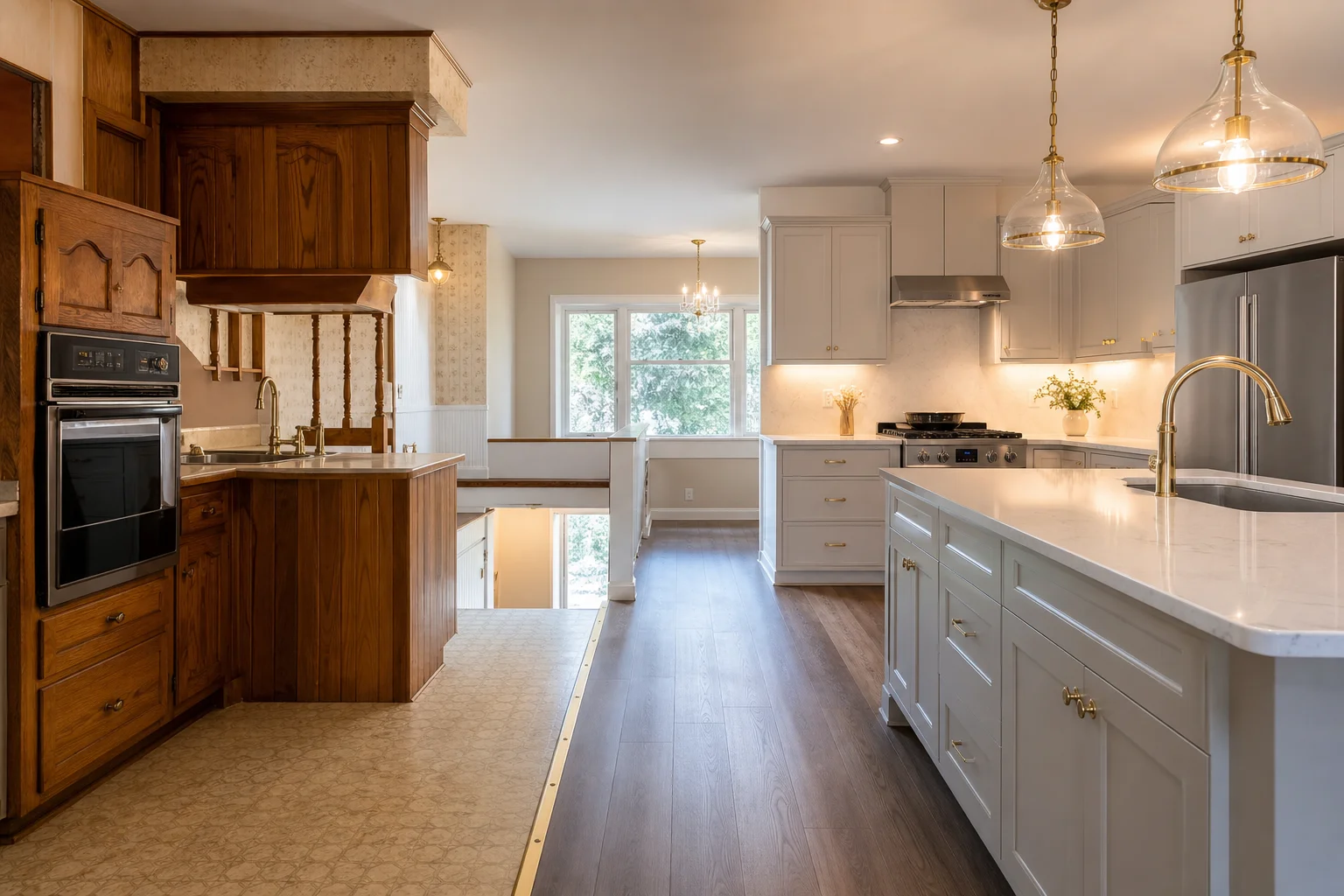
Visualizing the transformation potential of a mid-range kitchen remodel in a typical Kirkland home
Budget-Friendly Remodels: What $15K–$30K Gets You
A budget-conscious kitchen update typically preserves the existing layout to avoid plumbing and electrical rerouting. Homeowners often refinish or reface cabinets instead of replacing them—a cost-effective choice that still delivers a fresh look. Laminate countertops, resilient luxury vinyl plank flooring, and mid-tier stainless steel appliances round out the package. This tier suits homeowners prioritizing functionality and quick return on investment.
Mid-Range Projects: The Sweet Spot for Most Kirkland Homes
This tier appeals to owners of 1980s–2000s-era homes seeking modern aesthetics without full custom work. Semi-custom cabinets from brands like Bellmont offer flexibility in finish and layout, while quartz countertops provide durability and visual appeal. Upgraded lighting, including under-cabinet LEDs, and ENERGY STAR-rated appliances enhance both utility and efficiency. Projects in this range often include minor layout tweaks, such as expanding an island or relocating a sink.
Luxury Upgrades: Full Customization and Premium Materials
Luxury remodels feature fully custom cabinetry, slab stone countertops, and integrated smart appliances with ventilation systems designed for Kirkland’s tighter building envelopes. These projects frequently involve structural changes—removing walls, expanding footprints, or upgrading electrical and plumbing systems. They’re common in newer builds or teardowns where homeowners aim to align with the area’s upscale aesthetic.
Cost by Project Scope: From Refresh to Full Gut
Understanding the scope of your kitchen remodel is key to setting a realistic budget and timeline. In Kirkland, where housing spans from 1970s ranch homes to modern builds, project type significantly influences cost. Below is a breakdown of three common approaches—refresh, partial remodel, and full gut—each suited to different goals, home ages, and investment levels.
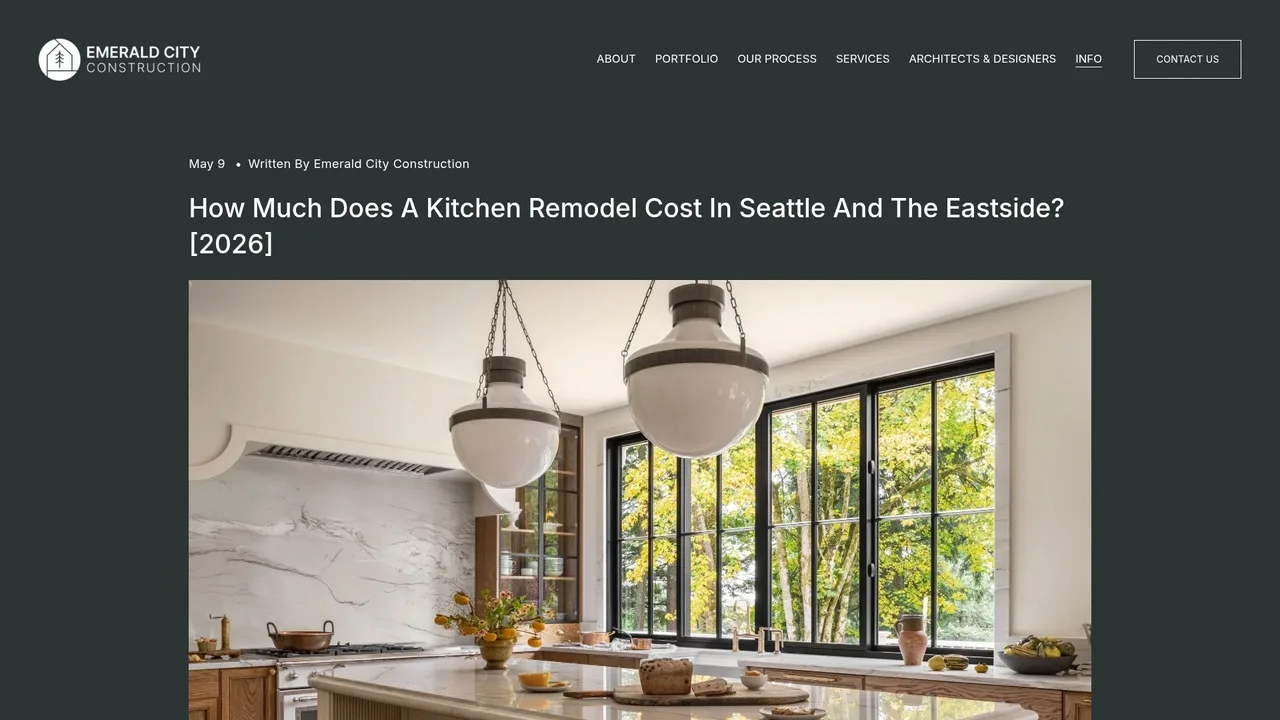
Reference pricing data from a trusted local contractor for accurate Eastside remodel estimates
Kitchen Refresh: Paint, Hardware, and Lighting Updates
A refresh revitalizes your space with minimal disruption, ideal for updating a galley kitchen in a 1970s Kirkland home. This scope includes repainting or refacing cabinets, replacing hardware, upgrading lighting to LED under-cabinet strips, and resurfacing countertops with epoxy or new tile. Projects typically cost between $5,000 and $12,000 and can be completed in under two weeks. It’s a strategic move for homeowners planning to sell, offering strong visual impact without structural changes. For more on cost-effective updates, see our guide to cabinet painting vs refinishing in Seattle.
Partial Remodel: Replacing Key Components
This is the most common path for 1,200–1,600 sq ft homes built between the 1980s and early 2000s. It includes new semi-custom cabinets, quartz countertops, updated flooring, and ENERGY STAR appliances—without altering the footprint. Layout stays intact, but finishes get a major upgrade. Costs range from $18,000 to $35,000, aligning with mid-range market expectations. According to Emerald City Construction, homeowners can expect prices between $700 and $1,200 per square foot in the Seattle metro and Eastside, depending on material selections.
Full Gut Renovation: Starting from the Studs
A full gut involves removing walls, relocating plumbing and electrical, and often expanding into adjacent space to create open-concept living—popular in Kirkland’s newer or teardown homes. With structural work, permits, and high-end systems like integrated ventilation, costs start at $40,000 and can exceed $85,000. These projects take 6–8 weeks of active construction, with total timelines from design to finish reaching six months when planning and approvals are factored in.
| Scope | Avg. Cost | Timeline | Disruption Level | Typical Changes |
|---|---|---|---|---|
| Refresh | $5,000–$12,000 | 1–2 weeks | Low | Paint, hardware, lighting, countertop resurfacing |
| Partial Remodel | $18,000–$35,000 | 6–8 weeks | Moderate | New cabinets, countertops, flooring, appliances |
| Full Gut | $40,000–$85,000+ | 6–8 months | High | Layout changes, structural work, system upgrades |
Key Cost Drivers in Kirkland Kitchen Remodels
In Kirkland, where lakefront homes and Pacific Northwest craftsmanship meet rising construction demand, kitchen remodel costs hinge on more than just square footage. Local labor rates, aging housing stock, and material availability shape every budget. Skilled trades in the Seattle metro command $85 to $150 per hour, with electricians and plumbers at the higher end—directly impacting projects requiring system upgrades. Permits, while essential, add another $800 to $2,500, depending on scope and city-specific fees; for detailed estimates, see our full breakdown on Seattle remodel permit cost in 2026. Older homes often reveal hidden issues like outdated wiring or slab leaks, common across the Eastside, which can add unplanned expenses.
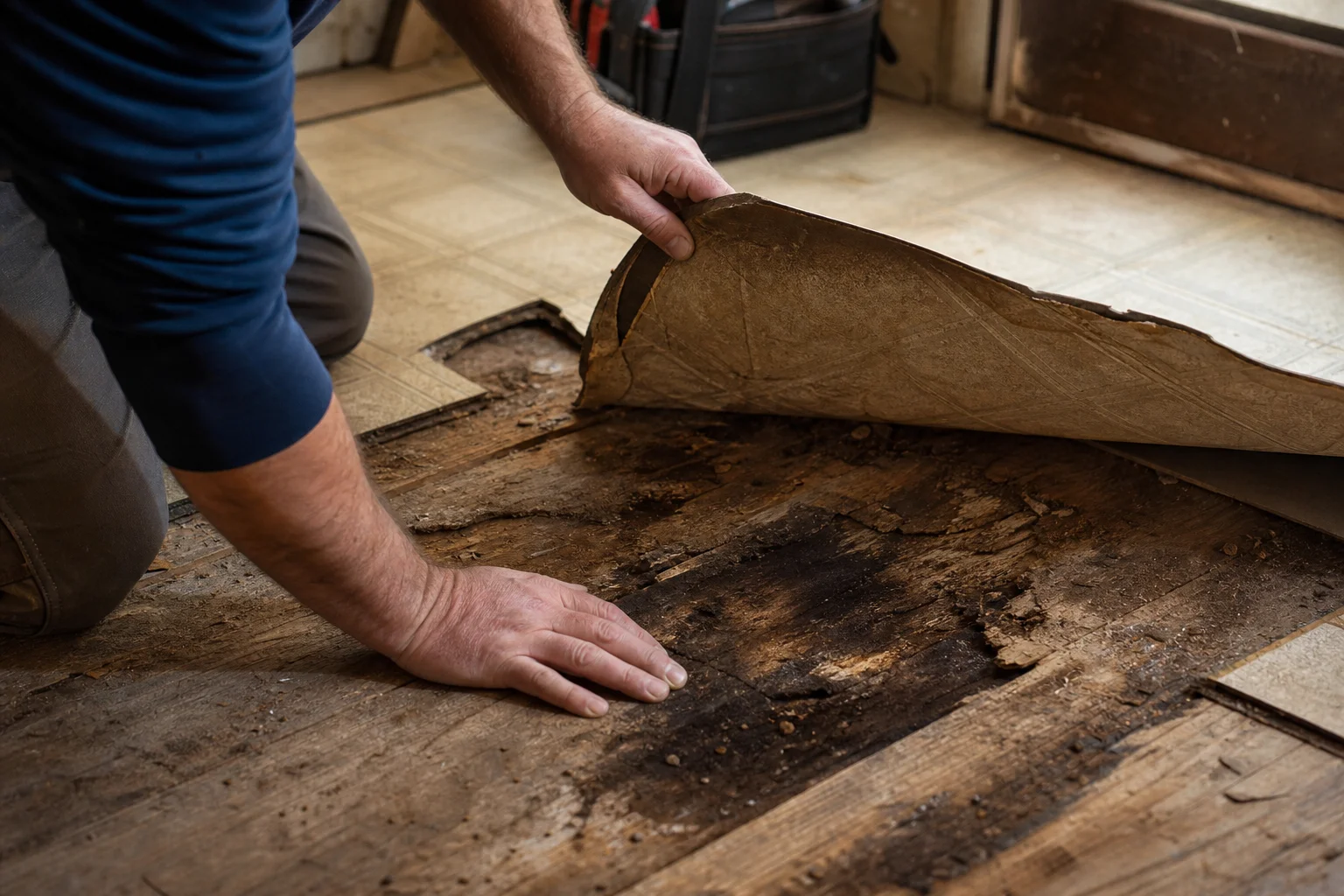
Hidden structural issues like rotted subfloors can significantly impact final remodel costs
Layout Changes and Structural Work
Moving walls—even non-load-bearing ones—triggers a chain reaction of costs. Relocating plumbing, gas lines, or electrical systems adds $10,000–$25,000. If the wall is load-bearing, beam installation and engineering plans are required, pushing costs higher. Kirkland’s permitting process for structural changes is rigorous, often requiring multiple inspections and coordination with city planners, especially in Hilltop or Totem Lake neighborhoods with stricter zoning.
Cabinetry: Stock, Semi-Custom, and Custom Options
Cabinets typically consume 30–40% of the total budget, making them the largest single expense. Stock cabinets offer speed and savings ($5,000–$12,000), while semi-custom options ($12,000–$25,000) provide flexibility in finishes and storage. Custom cabinetry exceeds $25,000 and involves longer lead times due to local shop demand. For homeowners weighing choices, our guide to custom vs. semi-custom cabinets in Seattle offers clarity on fit and value.
Countertops and Backsplashes: Material Choices and Installation
Quartz remains the top choice in 2026, with installed prices averaging $80–$120 per square foot. A full quartz countertop and backsplash package blends durability with low maintenance—ideal for humid coastal climates. Intricate tile patterns or slab upgrades increase labor costs, especially when precision fitting around Kirkland’s many older, non-standard layouts.
Appliances: Standard, Premium, and Smart Features
Mid-tier appliance packages run $4,000–$7,000, while premium brands with induction ranges, smart fridges, and steam ovens push budgets to $8,000–$15,000. These high-efficiency systems align with PNW energy standards and resale appeal.
Labor, Permits, and Hidden Issues
Labor averages $85–$125/hour, with weekend or after-hours work commanding premiums. Permit costs vary by city—Redmond and Bellevue have different fee structures, impacting overall planning. Hidden issues, from rotted subfloors to outdated 60-amp panels, are common in pre-1980s homes and can add 10–20% to initial estimates.
Kirkland vs. Eastside: How Location Affects Pricing
Kirkland occupies a strategic middle ground in Eastside remodeling economics—more affordable than Bellevue but typically pricier than Renton or Kent. This balance stems from its unique mix of older waterfront estates, mid-century homes, and new infill developments, all within close proximity to major tech employers. Demand for kitchen upgrades remains strong, particularly for layouts that maximize natural light and seamless indoor-outdoor flow, a design priority especially valued in Kirkland’s lakefront and hillside properties.

Visualizing regional cost differences: Kirkland sits between Bellevue and Redmond in pricing and demand
Why Kirkland’s Market Is Unique
The city’s housing stock blends 1970s split-levels with modern custom builds, creating diverse remodeling needs. Older homes often require structural updates before aesthetic work begins, while new developments favor high-end finishes from the outset. Contractor density is moderate compared to Bellevue, where premium firms cluster, but higher than in more suburban areas like Issaquah. This affects labor availability and project timelines, especially during peak construction seasons.
Eastside Cost Benchmarks: A Quick Comparison
Bellevue consistently commands 5–10% higher remodel costs due to elevated home values and stricter permitting standards—homeowners there often invest in luxury finishes and smart kitchen integrations. Redmond pricing aligns closely with Kirkland, particularly in neighborhoods near Microsoft’s campus, where demand for efficient, tech-forward kitchens is high. Issaquah averages 5% lower, reflecting more single-story homes and simpler layouts. For context:
| City | Avg. Total Cost | Cost per Sq. Ft. |
|---|---|---|
| Kirkland | $22,323–$30,564 | $150–$225 |
| Bellevue | $24,000–$33,000 | $165–$250 |
| Redmond | $22,000–$30,000 | $150–$220 |
| Issaquah | $21,000–$28,000 | $140–$210 |
School district strength and walkability also influence remodeling investment. Homes in the Lake Washington School District—covering Kirkland, Bellevue, and parts of Redmond—tend to see higher ROI on kitchen updates, as detailed in our guide to kitchen remodel cost trends across the Eastside.
Maximizing ROI: Smart Investment Strategies for 2026
In Kirkland’s competitive housing market, a kitchen remodel isn’t just about aesthetics—it’s a strategic investment. With median home values reaching $950,000, buyers prioritize modern, functional kitchens, making updates one of the most impactful improvements for resale. Nationally, minor kitchen remodels return over 112% of their cost at resale, according to the 2025 Zonda Cost vs. Value Report, while major renovations typically recoup around half. In the Eastside market, however, well-planned mid-range projects are projected to recover 70–80% of costs by 2026—outperforming high-end kitchen remodels in Seattle, where luxury finishes often exceed buyer expectations and fail to deliver proportional returns.
Which Upgrades Pay Off at Resale?
Focus on timeless, functional improvements that appeal to broad buyer preferences. Neutral-toned cabinetry, durable quartz countertops, energy-efficient appliances, and LED under-cabinet lighting consistently rank high with homebuyers. Improved workflow—such as relocating the sink or optimizing the triangle between stove, sink, and fridge—adds measurable value. Storage solutions like pull-out drawers, lazy Susans, and deep pantry cabinets enhance usability without customization that could limit appeal. Avoid overly personalized designs or exotic materials; these may reflect your taste but can deter future buyers. For compact spaces, consider the best cabinet options for small kitchens in Seattle to maximize utility without sacrificing style.
Avoiding Budget Overruns: Planning Tips
Set a realistic budget with a 10–15% contingency for unforeseen issues like plumbing rerouting or structural adjustments. Finalize your design before demolition begins—changes mid-project inflate costs quickly. Obtain multiple bids from licensed contractors familiar with Kirkland’s permitting and building codes to ensure accurate kitchen remodel cost per square foot estimates. Early coordination with your contractor can also help streamline timelines, especially if your project requires approval from the local jurisdiction or homeowner association. For those considering a full renovation, reviewing the kitchen remodel timeline in Seattle can set realistic expectations for project duration and disruption.
Frequently Asked Questions About Kitchen Remodel Costs in Kirkland
How much does a small kitchen remodel cost in Seattle and Kirkland?
Small kitchen remodels in Kirkland—typically under 100 sq ft—average slightly less than in Seattle, where costs begin around $22,000. With no major layout changes, Kirkland homeowners can expect to invest approximately $20,000 for a functional, mid-tier update. This aligns closely with broader small kitchen remodel cost Seattle benchmarks, though local labor rates and material availability can influence final figures.
What is the cost per square foot for a kitchen remodel in Seattle?
Remodeling costs in the region generally range from $150 to $400 per square foot, depending on finishes and complexity. For example, a 150 sq ft kitchen at $250/sq ft totals $37,500—a realistic estimate for mid-to-upgrade tier projects. High-end materials like quartz countertop and backsplash cost Seattle homeowners more but offer durability and resale appeal.
How much does a kitchen refresh cost in Seattle?
A kitchen refresh—focused on paint, new hardware, lighting, and countertop resurfacing—typically runs between $5,000 and $12,000, making it a cost-effective alternative to full renovation. This option preserves existing layouts and cabinetry while delivering a modernized look, ideal for those seeking value without the disruption of a full remodel.
What’s included in a full kitchen remodel?
A complete overhaul includes demolition, new cabinets, countertops, flooring, appliances, plumbing, electrical, lighting, and trim. Structural changes or custom storage solutions increase costs but enhance long-term functionality, especially in compact layouts—explore the best cabinet options for small kitchens in Seattle for smart space use.
Are permits required for kitchen remodels in Kirkland?
Yes, permits are required for any structural, electrical, or plumbing modifications. Fees typically range from $800 to $2,500, depending on project scope. For detailed breakdowns, refer to the Seattle remodel permit cost: 2026 Pricing Guide, as regional standards are closely aligned.
How long does a kitchen remodel take in Kirkland?
A refresh takes 2–3 weeks; a partial remodel, 6–8 weeks; and a full gut renovation, 10–14 weeks. Material lead times and permitting—similar to the Bellevue remodel permit timeline—can affect scheduling, so planning ahead is essential.
Planning Your 2026 Kitchen Remodel in Kirkland: Final Tips
Start by defining a realistic budget that accounts for Kirkland’s local pricing trends, which often align closely with broader Eastside markets like Bellevue and Seattle. Prioritize functional upgrades—such as efficient layouts, durable materials, and smart storage—that enhance daily living and long-term value. When selecting a contractor, choose a licensed, experienced local professional familiar with regional permitting and design standards. For those considering layout changes, review our kitchen remodel timeline in Seattle to set accurate expectations. Thoughtful planning today leads to a seamless, rewarding renovation.