(206) 707-5830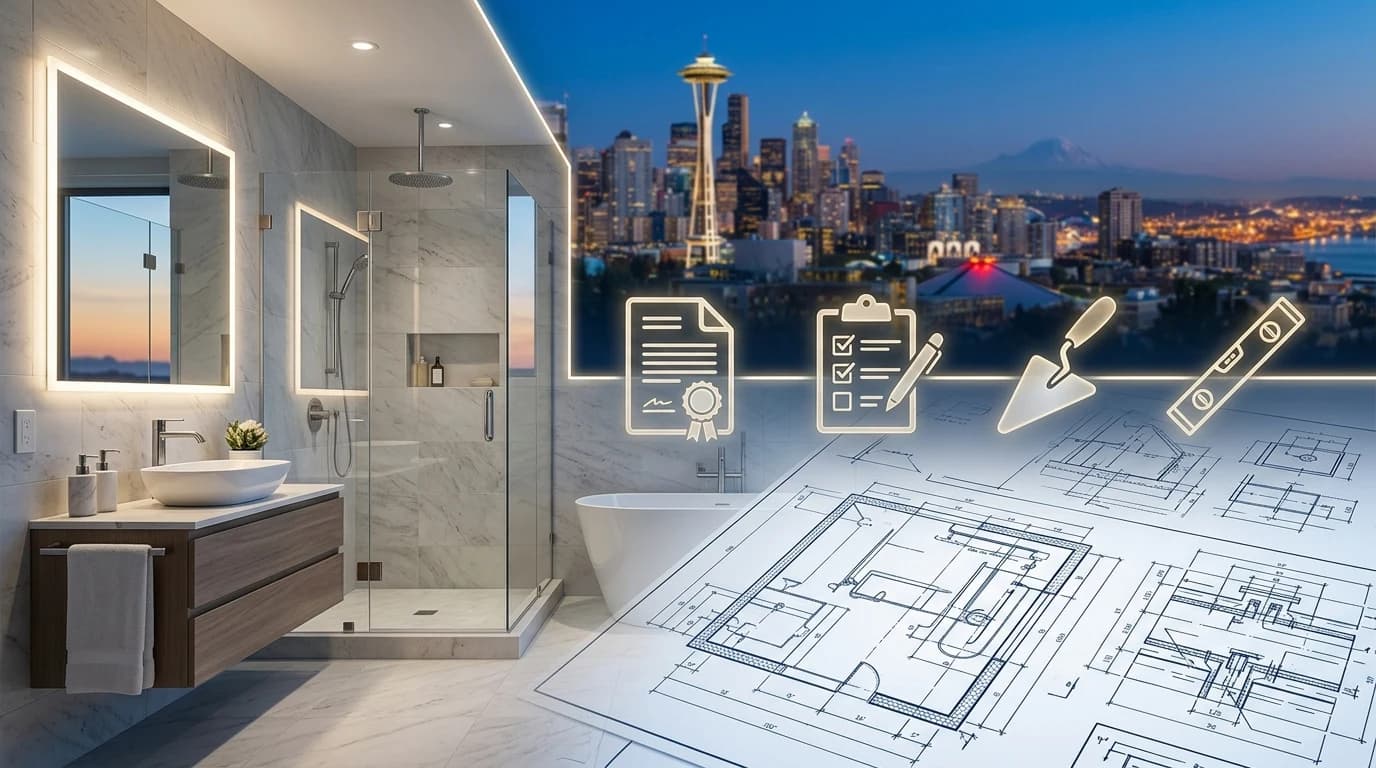

Remodeling a bathroom in a Seattle condo presents a fundamentally different challenge than updating a single-family home. You're not just managing construction schedules and design decisions—you're navigating shared walls, HOA approval processes, strict building codes, and permit requirements that can derail timelines if overlooked. The complexity multiplies when you realize that what works in a detached house often violates condo building restrictions, and that your contractor's experience with residential remodels may not translate to the specific constraints of high-rise or mid-rise living.
Quick Answer: Condo bathroom remodels in Seattle cost between $8,000 and $25,000 for mid-range projects, with luxury renovations exceeding $35,000. The main difference from single-family remodels is the need for HOA approval, stricter plumbing and ventilation codes due to shared infrastructure, and mandatory permits that typically add 2–4 weeks to your timeline before work even begins.
This guide walks you through the four critical pillars of a successful condo bathroom remodel: understanding design limitations imposed by your building's structure, navigating HOA rules and approval processes, securing the right permits from the City of Seattle, and budgeting realistically for the costs involved. Whether you're refreshing a compact powder room or completely gutting a primary bath, knowing what lies ahead prevents expensive surprises and keeps your project on track. We'll also connect you with resources like our complete condo bathroom remodel cost guide and permit requirements overview so you can move forward with confidence.
Table of Contents
- Unique Design Challenges in Downtown Seattle Condo Bathrooms
- HOA Approval and Permit Requirements for Seattle Condo Remodels
- Bathroom Remodel Design Ideas and Cost Expectations for Seattle Condos
- Before and After: Real Seattle Condo Bathroom Transformations
- Taking the Next Step: Planning Your Downtown Seattle Condo Bathroom Remodel
Unique Design Challenges in Downtown Seattle Condo Bathrooms
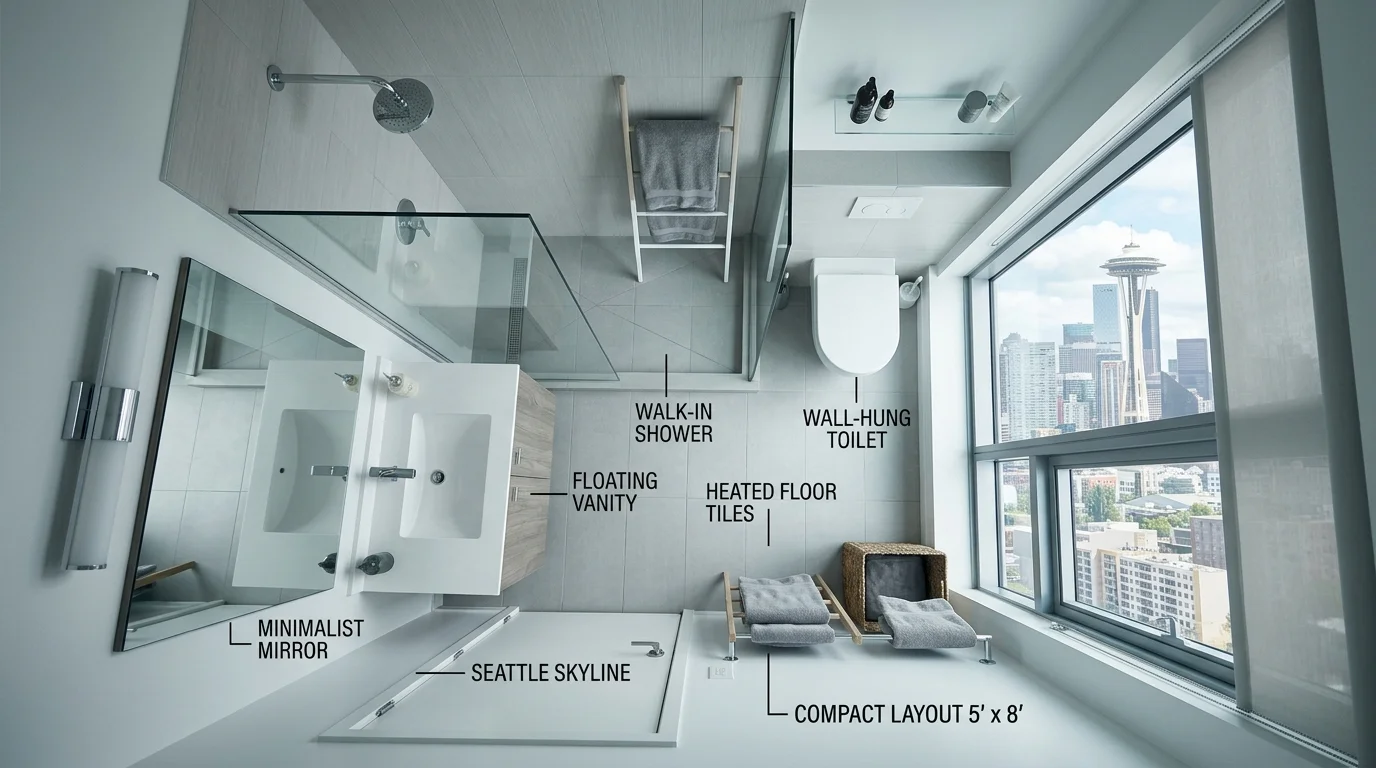
Downtown Seattle condos present a fundamentally different remodeling puzzle than single-family homes. The constraints aren't just about aesthetics—they're structural, mechanical, and sometimes immovable. Understanding these limitations upfront prevents costly redesigns and helps you work with your building's reality rather than against it.
Space is the first and most obvious constraint. According to Planner5D's analysis of residential standards, typical condo bathrooms measure between 35–40 square feet, with full bathrooms commonly fitting into a 5-by-8-foot footprint. That's roughly the size of a walk-in closet. In a downtown Seattle condo bathroom remodel, every inch matters. A standard vanity, toilet, and shower in that footprint leaves almost no room for storage, accessibility features, or design flexibility. Single-family homes often have 50–75 square feet to work with, giving designers breathing room that simply doesn't exist in high-rise living.
Shared walls and plumbing stacks create inflexible boundaries. Your bathroom likely shares walls with neighbors on either side and above. Moving plumbing—even slightly—can mean cutting into shared infrastructure that the building won't allow. Existing drain lines, supply lines, and vent stacks are usually fixed in place. This means your toilet location, shower position, and sink placement are often predetermined by what was there before. Unlike a single-family home where you might relocate the shower to the opposite wall, a condo kitchen ventilation remodel or bathroom renovation often requires you to accept the existing layout or pay premium costs for rerouting.
Ventilation presents a unique code challenge. Seattle building code requires bathroom exhaust fans to provide a minimum of 50 CFM (cubic feet per minute) for intermittent systems, with exhaust discharged directly outdoors—not into attics or crawl spaces. In a high-rise condo, that exhaust duct must run through shared walls and chase spaces to reach the exterior, often competing with electrical, HVAC, and plumbing from neighboring units. Finding a viable path for ventilation can delay your project or require creative ductwork routing that adds cost.
Limited electrical capacity and shared service panels mean you can't simply add circuits wherever you want. Many older downtown condos have undersized electrical service, and the main panel may be in a common area you can't access freely. Adding heated floors, a luxury exhaust fan, or modern lighting requires coordination with building management and sometimes a full electrical service upgrade.
These constraints demand creative problem-solving—vertical storage solutions, compact fixtures, and strategic material choices. Working with a designer familiar with Seattle's condo-specific building codes and high-rise mechanical systems helps you maximize what you have rather than fighting against what you can't change.
HOA Approval and Permit Requirements for Seattle Condo Remodels
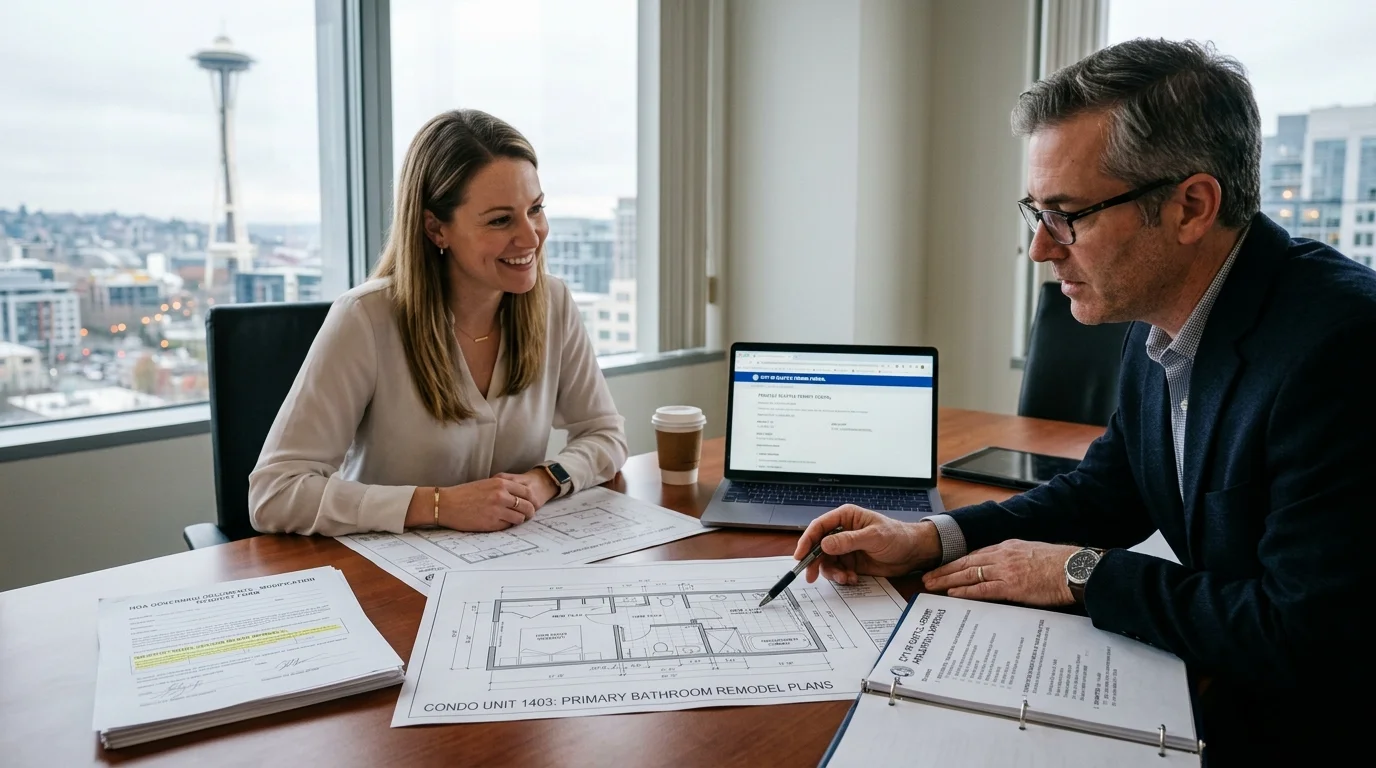
Before you order fixtures or schedule your contractor, you'll need to navigate two distinct approval processes: your building's HOA (or condo board) and the City of Seattle. Skipping either one can result in fines, forced removal of completed work, or liens against your unit—costs that far exceed the time spent getting approvals upfront.
HOA approval comes first. Most Seattle condo buildings require written approval before any remodeling work begins. Your HOA typically wants to review detailed plans showing what you're changing, materials you're using, and how the work affects shared systems. Submit architectural drawings, product specifications, and a timeline. Many boards also require proof of contractor licensing and insurance. HOA review timelines typically span 2–4 weeks, though some buildings take longer if they request revisions. Common restrictions include limits on noise hours, requirements to use building-approved contractors, rules about delivery elevator use during specific times, and prohibitions on certain materials (like certain tile types or finishes that don't match the building aesthetic). Some buildings even restrict the color of your grout or the style of your exhaust fan cover. Read your CC&Rs (Covenants, Conditions & Restrictions) and building bylaws carefully—these documents spell out exactly what you can and cannot do.
Once HOA approval is in hand, you'll need city permits. According to the Seattle Department of Construction & Inspections, any bathroom work involving plumbing, electrical, or structural changes requires permits. Permit fees typically range from $200–$800 for bathroom-specific work, with processing times of 2–3 weeks for straightforward applications and up to 8 weeks for complex plans. Your contractor will submit plans showing new plumbing runs, electrical circuits, ventilation routing, and structural modifications. Inspectors will visit at rough-in (framing and mechanical systems exposed) and final stages to verify code compliance.
In a condo, this process adds complexity. The city inspector needs access to your unit and sometimes to shared walls or chases. Coordinate with building management to ensure inspectors can reach necessary areas. If your bathroom exhaust duct or plumbing must run through common areas, you may need additional HOA sign-off before the city will issue the permit.
The overlap between HOA rules and city code can feel redundant, but they serve different purposes. HOA protects the building's aesthetics and operations; Seattle building code protects safety and structural integrity. Both matter. Start the HOA process immediately—it's your longest lead time—and file for permits only after you have written HOA approval in hand.
Bathroom Remodel Design Ideas and Cost Expectations for Seattle Condos
Once you've secured HOA approval and permits, the real creative work begins—and the budget reality sets in. In Seattle condos, design choices are constrained by space, shared walls, and plumbing infrastructure, but these limitations often lead to smarter, more efficient layouts than you'd find in a sprawling single-family home.
Layout Strategy: Keep Plumbing Where It Is
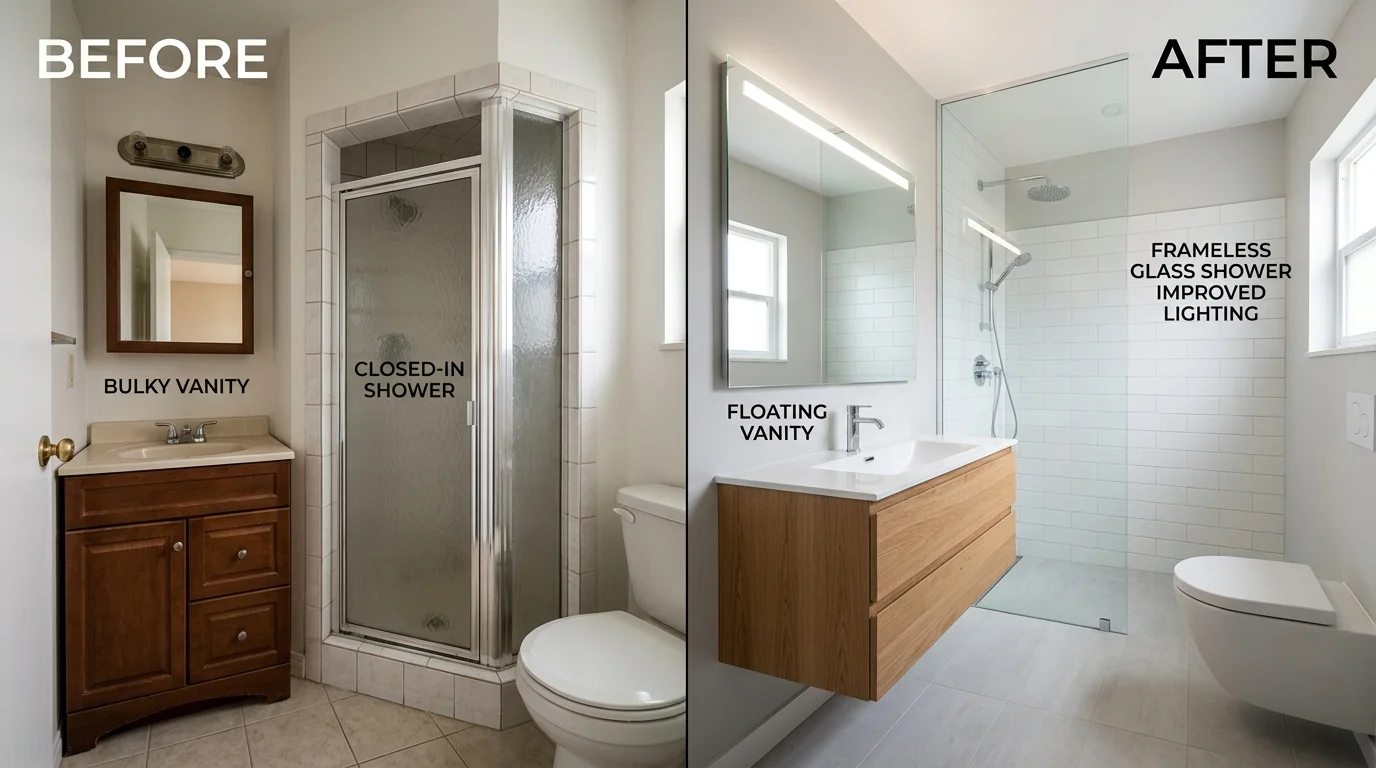
The single biggest cost driver in any bathroom remodel is moving plumbing. Relocating a toilet, shower, or sink can add $2,000–$5,000 to your project, since it requires new supply lines, drain runs, and often structural modifications to walls or floors. In a condo, where walls may be shared and floor systems are pre-engineered, this becomes even more expensive. The smartest move is to work within the existing footprint. Modern vanities, floating designs, and corner fixtures can transform a small space without touching a single pipe. If your current layout feels cramped, consider a pedestal sink or wall-mounted vanity to open up floor space—both cost far less than replumbing.
Material Choices That Work for Condos
Tile remains the standard for Seattle bathrooms, and for good reason: it's durable, water-resistant, and available at every price point. Budget $3,000–$4,000 for tile and flooring in a mid-range remodel. Luxury tile (large-format, natural stone, or imported) can double that cost. For vanities and countertops, semi-custom or stock options from suppliers like those featured in condo kitchen remodeling projects run $2,000–$3,000, while custom builds exceed $5,000. Quartz countertops are popular in Seattle—they're low-maintenance and resist staining better than marble or granite.
Cost Breakdown by Project Tier
According to 2026 Seattle bathroom remodeling data, basic cosmetic refreshes range from $7,900–$15,000 and typically include new paint, fixtures, and modest tile work. Mid-range remodels ($15,000–$30,000) add new vanities, tile walls, updated lighting, and possibly a new shower enclosure. Labor accounts for 40–50% of mid-range costs. High-end projects ($30,000+) feature custom cabinetry, heated floors, luxury fixtures, and premium materials.
Modern Amenities Worth the Investment
Heated floors and high-efficiency exhaust fans are increasingly popular in Seattle condos. Radiant floor heating runs $1,500–$3,000 but adds genuine comfort and resale appeal. A quality ventilation fan with humidity sensors prevents moisture damage—critical in shared buildings where condensation can affect neighbors. Layered lighting (task, ambient, accent) costs more upfront but transforms how the space feels. LED fixtures keep energy bills down.
The key to a successful condo bathroom remodel is respecting the constraints while maximizing what you can control: materials, finishes, and smart storage solutions that make the space feel larger and more functional than before.
Before and After: Real Seattle Condo Bathroom Transformations
A cramped Belltown condo bathroom with 1990s oak cabinetry, a standalone shower enclosure, and inadequate ventilation became a modern sanctuary after a thoughtful remodel. The original space suffered from poor layout—the vanity consumed nearly half the floor area, leaving barely enough room to turn around. Moisture damage had begun creeping into the drywall near the shower, a common problem in Seattle's humid climate where shared buildings amplify condensation issues. The design solution involved removing the bulky vanity and installing a wall-mounted cabinet with integrated storage, relocating the toilet slightly to open sightlines, and replacing the basic exhaust fan with a humidity-sensing model. New subway tile with contrasting grout, warm LED lighting at multiple levels, and a frameless glass shower enclosure transformed the perception of space entirely. The final result feels 40% larger despite identical square footage—a testament to how strategic design solves the constraints of condo living rather than fighting them.
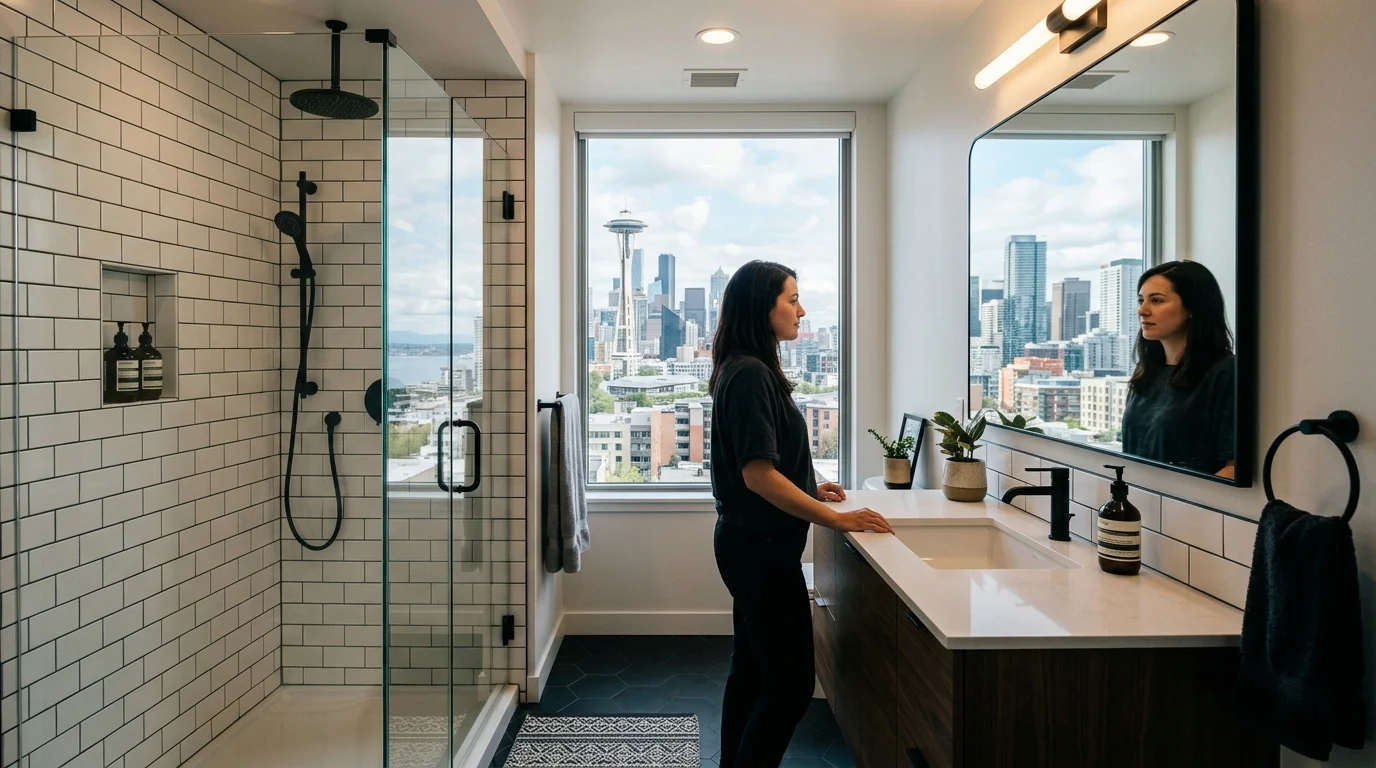
Another downtown Seattle condo remodel tackled a different challenge: a bathroom squeezed between a bedroom wall and an exterior window, with plumbing locked in place by the building's shared infrastructure. The original fixtures were functional but dated, the lighting was harsh and single-source, and there was nowhere to store anything. Working within the immovable plumbing lines, the contractor introduced a floating vanity that visually lightens the space, repositioned the mirror to reflect natural light, and added recessed lighting paired with a decorative sconce for layered illumination. Heated radiant flooring was installed—a luxury touch that also prevents the moisture accumulation that plagues shared buildings. The tile palette shifted from builder-grade beige to soft gray with warm wood tones, creating cohesion without major structural changes.
Both projects demonstrate that successful Seattle condo bathroom remodels aren't about expanding space or relocating plumbing—they're about maximizing what exists. Strategic material choices, smart storage, and professional attention to ventilation deliver transformations that feel far more dramatic than the construction itself. Understanding how long a bathroom remodel takes in Seattle helps set realistic expectations for these kinds of upgrades.
Taking the Next Step: Planning Your Downtown Seattle Condo Bathroom Remodel
A successful downtown Seattle condo bathroom remodel hinges on three foundational decisions made before construction begins. First, engage your HOA or condo board early—their approval timeline often determines your project's overall schedule, and surprises mid-renovation derail budgets. Second, budget realistically for Seattle's labor costs and condo-specific constraints. A condo bathroom remodel in Seattle typically runs higher than suburban equivalents because contractors navigate shared walls, limited access, and strict noise windows. Third, prioritize ventilation and moisture management from day one. These aren't aesthetic upgrades; they're structural necessities in a building where your bathroom shares air and water systems with neighbors.
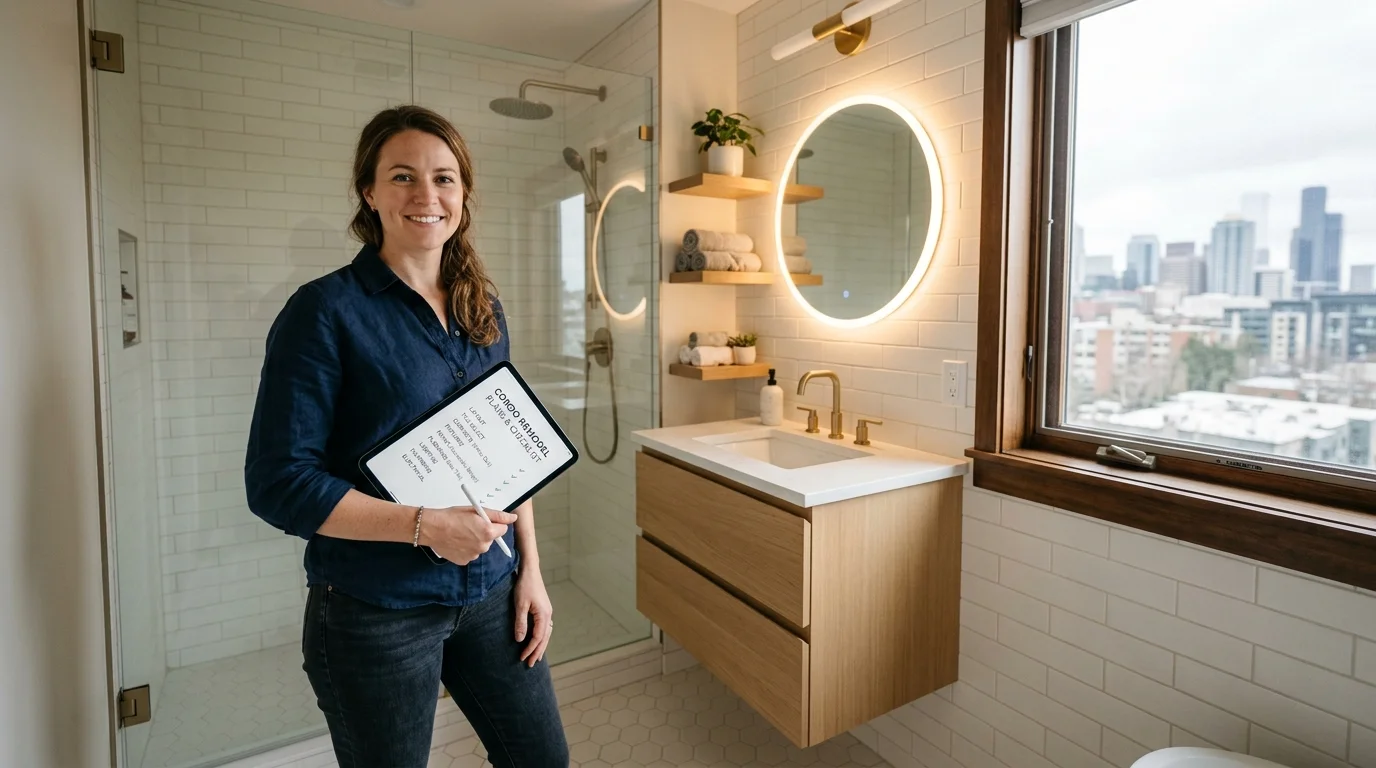
Work exclusively with contractors experienced in condo remodels, not just general residential work. They understand the permitting nuances, HOA protocols, and construction sequencing that prevent costly delays. Understanding how long a bathroom remodel takes in Seattle also sets realistic expectations for your timeline.
Ready to transform your space within these constraints? Contact PNW Standard Remodel for a free estimate tailored to your downtown Seattle condo's unique challenges and opportunities.