(206) 707-5830

Kitchen remodeling in Seattle's condo market presents a unique financial landscape that differs significantly from single-family home projects. Condo kitchens require navigating shared walls, building restrictions, HOA approvals, and limited structural flexibility—all factors that influence your final budget. Whether you're updating a Belltown loft or refreshing a downtown Seattle condo, understanding realistic pricing helps you plan confidently and avoid costly surprises.
Quick Answer: Seattle condo kitchen remodels typically cost between $25,000 and $75,000 for mid-range projects, with luxury renovations reaching $100,000+. Budget increases depend on layout complexity, material choices, permit requirements, and whether you're modifying plumbing or electrical systems. Most projects take 8-12 weeks from start to finish, though condo-specific approvals can extend timelines.
This guide breaks down every cost category—from cabinetry and countertops to labor and permits—so you understand where your money goes. You'll also discover how condo restrictions affect pricing compared to traditional homes, what factors drive costs up or down, and how to work with contractors experienced in Seattle's unique building codes. By the end, you'll have a clear picture of what a realistic budget looks like for your specific project, whether you're planning a modest refresh or a complete kitchen transformation.
Table of Contents
- Average Kitchen Remodel Costs for Seattle Condos by Project Scope
- Condo-Specific Costs: HOA Approval, Permits, and Building Restrictions
- Major Cost Drivers: Cabinetry, Appliances, Countertops, and Ventilation
- Hidden Costs and Budget Contingencies for Condo Kitchen Remodels
- Planning Your Condo Kitchen Remodel: Timeline, Design, and ROI Expectations
- Getting Started on Your Seattle Condo Kitchen Remodel
Average Kitchen Remodel Costs for Seattle Condos by Project Scope
Seattle's condo kitchen remodel costs break down into three distinct tiers, each serving different renovation goals and budgets. Understanding where your project fits helps you allocate resources strategically and avoid scope creep that derails timelines and finances.

Cosmetic Updates focus on surface-level refreshes without touching structural systems. You're refinishing or repainting cabinets, installing new countertops, upgrading flooring, and swapping out fixtures and hardware. These projects typically run $15,000–$35,000 in Seattle. Cabinet refinishing in Bellevue exemplifies this tier—you preserve existing layouts while dramatically improving aesthetics. Cosmetic work avoids major permit complications and condo board delays, making it the fastest path to transformation.
Mid-Range Remodels introduce new cabinetry, appliance upgrades, modest electrical work, and selective plumbing adjustments. Costs typically land between $40,000–$80,000. These projects often include layout tweaks, island additions, or reconfigured workflow. Mid-range work requires standard permits and condo approvals but doesn't demand structural overhauls. Most Seattle contractors recommend this tier for owners seeking modern functionality without gutting the entire kitchen.
Full Gut Renovations strip the space to studs, completely replacing cabinetry, plumbing, electrical systems, HVAC, and structural elements. Expect $85,000–$150,000+ depending on finishes and complexity. These projects demand extensive permits, engineering reviews, and condo board scrutiny. They also carry the longest timelines and highest labor costs due to complexity and coordination.
According to the 2025 U.S. Houzz Kitchen Trends Study, Seattle's labor rates and permitting requirements push kitchen remodel costs 15–25% above national benchmarks. Kitchen remodel costs in Seattle range from $700 to $1,200 per square foot depending on finishes and scope.
| Project Tier | Typical Cost Range | Scope | Timeline | Permits Required |
|---|---|---|---|---|
| Cosmetic Updates | $15,000–$35,000 | Cabinet refinishing, countertops, flooring, fixtures | 4–6 weeks | Minimal |
| Mid-Range Remodel | $40,000–$80,000 | New cabinets, appliances, electrical work, layout tweaks | 8–12 weeks | Standard |
| Full Gut Renovation | $85,000–$150,000+ | Complete structural overhaul, all systems replaced | 12–20 weeks | Extensive |
Choose your tier based on your timeline, budget, and how dramatically you want to transform the space. Cosmetic work delivers immediate visual impact; mid-range projects balance aesthetics with functionality; gut renovations future-proof your condo kitchen for decades.
Condo-Specific Costs: HOA Approval, Permits, and Building Restrictions
Condo kitchen remodels in Seattle operate within a regulatory framework that single-family homes don't face. Your project doesn't just need city approval—it needs your HOA's blessing first, and that adds both time and money to your budget.
HOA Approval and Timeline
Most Seattle condo associations require formal approval before any kitchen work begins. This process typically takes 14–30 days once you submit your proposal, though complex projects involving structural changes or shared wall modifications can stretch into 1–3 months. Your HOA will scrutinize noise restrictions, construction hours, elevator access, and whether your design aligns with building standards. Many associations require detailed architectural drawings, contractor credentials, and proof of insurance before they'll sign off. Budget an extra $500–$1,500 in architectural or design fees just to prepare submission-ready plans. Delays here directly delay your construction start, so building this timeline into your project plan is critical.

Permits and Associated Fees
Seattle's Department of Construction and Inspections (SDCI) requires permits for any kitchen work involving electrical, plumbing, or structural changes. For a typical mid-range kitchen remodel, permit costs range from $500 to $2,000 in 2026. If your project includes structural modifications—removing walls, relocating utilities, or major layout changes—building permit fees can climb to $850–$2,550 according to current SDCI data. You'll also need separate electrical and plumbing permits, each adding $200–$400.
Condo-Specific Building Restrictions
Delivery elevator rules are a major cost driver. Most Seattle condos limit elevator access to specific hours and require protective padding, increasing material and labor costs by 5–10%. Noise restrictions typically cap work between 8 a.m. and 5 p.m. on weekdays, which can extend your project timeline and labor costs. Common area protection—covering hallways, lobbies, and shared spaces during material delivery—adds another $1,000–$2,500 to your budget. These restrictions alone can add 10–20% to your total project cost compared to a single-family home renovation.
Working with a contractor experienced in Seattle condo kitchen remodels ensures you navigate these requirements smoothly and avoid costly delays.
Major Cost Drivers: Cabinetry, Appliances, Countertops, and Ventilation
Four expense categories dominate Seattle condo kitchen remodeling budgets, and understanding their cost ranges helps you allocate resources strategically. These components represent 70–80% of your total project cost, making them critical decision points.
Cabinetry is typically your largest single expense. Custom cabinetry ranges from $10,000–$30,000 depending on materials, finish quality, and storage solutions. According to research on cabinet replacement costs in Seattle, cabinetry often represents 30–40% of the total remodel budget. Semi-custom options ($8,000–$18,000) offer a middle ground, while stock cabinets ($5,000–$10,000) work for tight budgets but limit design flexibility in condo spaces where every inch matters.
Appliances account for $5,000–$12,000 in mid-range remodels. This covers a refrigerator, range, dishwasher, and microwave from reputable brands like Bosch, LG, or KitchenAid. High-end appliances push toward $15,000+, while budget options drop below $5,000—though durability and warranty coverage suffer significantly.
Countertops run $3,000–$8,000 for materials and installation. Quartz dominates Seattle's market ($60–$100 per square foot installed), offering durability and low maintenance. Granite ($50–$80 per square foot) and laminate ($20–$40 per square foot) provide alternatives at different price points.

Ventilation solutions present condo-specific complexity. Standard range hoods cost $2,000–$5,000 installed, but Seattle condos often require makeup air systems ($1,500–$3,000 additional) to meet building codes. Ductwork routing through shared walls or to exterior vents adds labor and materials. Ductless recirculating hoods ($800–$2,000) avoid exterior venting but provide inferior odor removal—rarely ideal for serious cooks.
| Component | Budget Range | % of Total Cost |
|---|---|---|
| Cabinetry | $10,000–$30,000 | 30–40% |
| Appliances | $5,000–$12,000 | 15–20% |
| Countertops | $3,000–$8,000 | 10–15% |
| Ventilation | $2,000–$5,000 | 5–10% |
Condo ventilation challenges—makeup air requirements, ductwork routing constraints, and shared wall considerations—often inflate costs beyond single-family estimates. Factor these realities into your budget before finalizing design plans.
Hidden Costs and Budget Contingencies for Condo Kitchen Remodels
Seattle's older condo buildings—particularly those built before the 1980s—frequently harbor surprises that inflate budgets well beyond initial estimates. Asbestos in insulation, drywall, and pipe wrapping is common in pre-1980 construction and requires certified abatement ($2,000–$8,000) before renovation work can proceed. Mold remediation, triggered by moisture intrusion or aging plumbing, adds another $1,500–$5,000 depending on scope. These aren't optional expenses; they're code requirements that inspectors will catch.
Structural surprises emerge once walls open. Outdated electrical panels unable to handle modern appliance loads necessitate upgrades ($3,000–$6,000). Plumbing rerouting—common when moving sinks or dishwashers—costs $1,500–$4,000 in labor and materials. Subfloor rot or settling discovered during demolition requires reinforcement before new flooring installs, easily adding $2,000–$3,500.

Common hidden costs in Seattle condo kitchens:
- Asbestos abatement — $2,000–$8,000 (pre-1980 buildings)
- Mold remediation — $1,500–$5,000
- Electrical panel upgrade — $3,000–$6,000
- Plumbing relocation — $1,500–$4,000
- Subfloor repair or reinforcement — $2,000–$3,500
- HVAC ductwork rerouting — $1,000–$2,500
Set aside 15–20% of your total budget as contingency. On a $50,000 remodel, that's $7,500–$10,000 reserved for unknowns. This isn't pessimism—it's pragmatism. Skilled labor in Seattle ranges from $85–$150 per hour, and unforeseen work compounds quickly. Discuss contingency protocols with your contractor upfront: how are overages approved, and at what point do you get notified? Similar challenges plague condo bathroom remodels in Seattle, where shared walls and aging infrastructure create identical cost pressures. Budget transparency prevents mid-project sticker shock.
Planning Your Condo Kitchen Remodel: Timeline, Design, and ROI Expectations
A condo kitchen remodel follows a compressed timeline compared to single-family homes, but condo-specific approvals can extend the process unpredictably. Most Seattle projects move through three distinct phases: design consultation (2–4 weeks), permit approval (2–6 weeks), and construction (4–8 weeks depending on scope). The design phase involves meeting with your contractor, finalizing layouts, selecting materials, and—critically—submitting plans to your HOA for review. This step is non-negotiable in condos and often gets underestimated. HOA architectural committees may request revisions, demand specific finishes, or impose restrictions on ventilation systems and exterior modifications. Building this buffer into your timeline prevents frustration.
Permit approval in Seattle typically takes 2–4 weeks for residential kitchen work, though electrical and plumbing permits can often be pulled same-day or next-day by experienced contractors. Condo buildings sometimes require additional sign-offs from property management, which adds 1–2 weeks. Construction itself varies dramatically: a cosmetic refresh with new cabinets and countertops might complete in 4–5 weeks, while a layout change with plumbing relocation stretches to 8–10 weeks. Weather delays are rare indoors, but material shortages and subcontractor scheduling remain common friction points.

Return on investment matters, especially if you're planning to sell. According to research from Offcut Interiors, Seattle homeowners typically recover 65–80% of kitchen remodel costs at resale, with even stronger returns in high-demand neighborhoods. Condo buyers specifically value updated kitchens because they signal overall unit maintenance and reduce post-purchase renovation anxiety. A dated kitchen can be a dealbreaker; a modern one is a selling point.
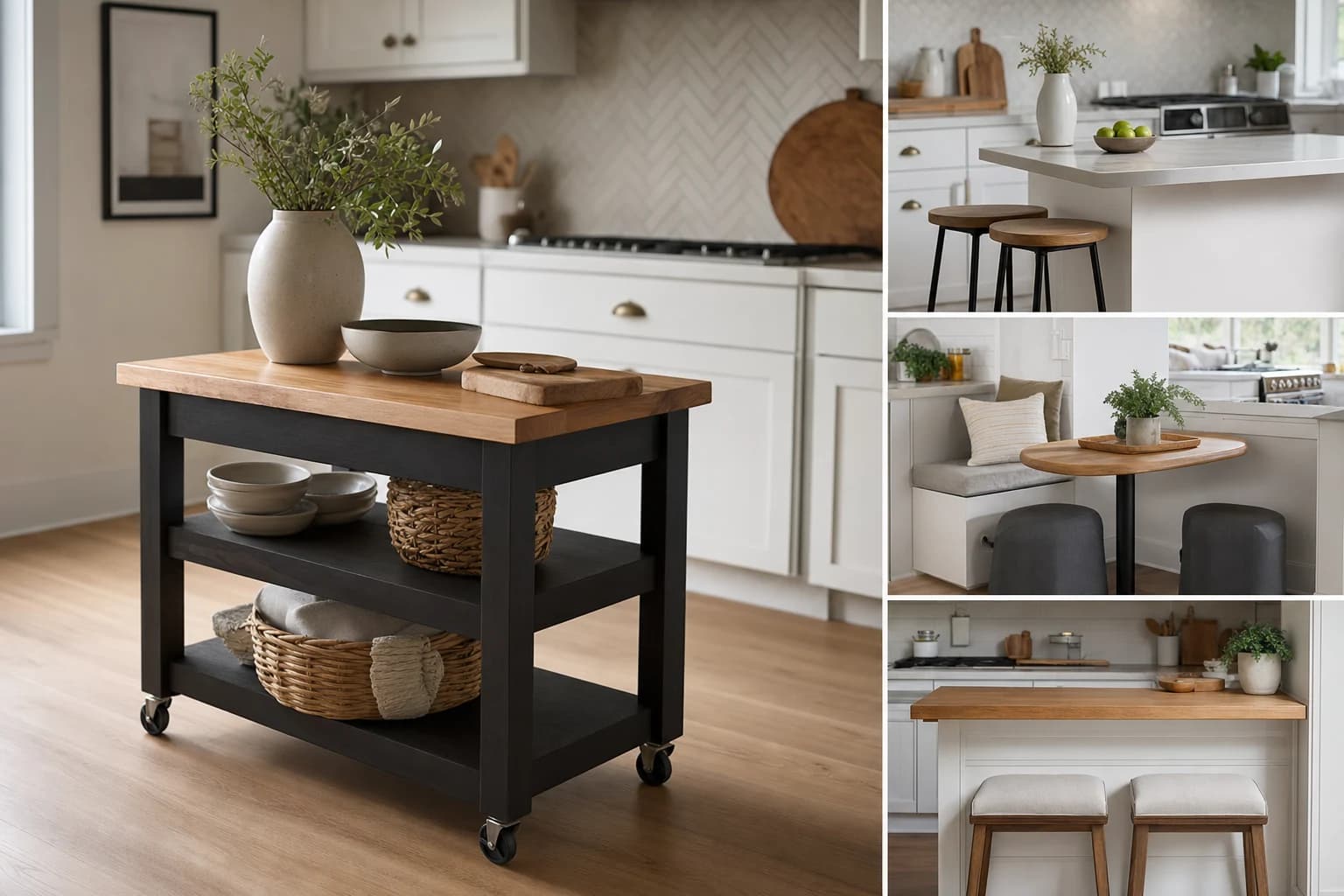
Before hiring a contractor, complete this checklist: obtain HOA approval in writing, confirm all permits required with the city, get three detailed quotes with itemized breakdowns, verify contractor licensing and insurance, and establish a contingency protocol. Small condo kitchen ideas—like vertical storage, compact appliances, and light-colored finishes—appeal to future buyers and maximize functionality in tight spaces. Document your design choices and material selections; you'll reference these throughout the project.
Getting Started on Your Seattle Condo Kitchen Remodel
A mid-range condo kitchen remodel in Seattle typically runs $40,000–$100,000, depending on scope and finishes. This budget assumes quality cabinetry, new appliances, countertop upgrades, and professional labor—the essentials that deliver both functionality and resale value. Before you commit, secure written HOA approval and confirm all city permits with your local building department. These steps aren't optional; they're foundational to avoiding costly delays and compliance issues.
Work with contractors experienced in Seattle condo projects. They understand the unique constraints—shared walls, ventilation routing through common areas, and building-specific restrictions—that single-family remodelers often overlook. Request three detailed, itemized quotes and compare them side by side. Budget 15–20% contingency on top of your estimate; older condo buildings frequently reveal hidden structural or plumbing surprises once work begins.
Documentation matters. Keep records of design choices, material selections, and contractor communications throughout the project. When you're ready to move forward, PNW Standard Remodel brings specialized expertise in Seattle condo kitchens, handling everything from HOA coordination to final inspection. Request a free estimate today—our team will walk you through realistic timelines and help you maximize both functionality and future resale appeal.