(206) 707-5830

Quick Answer: Yes, most bathroom remodels in Seattle require permits if they involve structural changes, plumbing, electrical work, or alterations to walls and fixtures. Cosmetic updates like painting or replacing cabinet hardware typically don't need permits, but anything touching your home's systems does. Understanding Seattle's permit requirements upfront saves time, ensures code compliance, and protects your investment.
Bathroom remodels are among the most popular home improvement projects, but they're also among the most heavily regulated. Seattle's building codes exist for good reason—they protect your home's safety, structural integrity, and long-term value. Whether you're planning a minor refresh or a complete overhaul, knowing which work requires a permit prevents costly delays and potential fines down the road.
This guide breaks down exactly what does and doesn't need a permit for your Seattle bathroom remodel, how to navigate the application process, and what inspections you can expect. We'll also cover common mistakes homeowners make when trying to skip permits and why that approach typically backfires. If you're tackling a larger project, you might also find our guide on Seattle condo bathroom remodels helpful for understanding additional HOA considerations.
Table of Contents
- Cosmetic vs. Structural Work: Which Requires a Permit in Seattle?
- Seattle Bathroom Remodel Permits: Types and What Each One Covers
- Seattle Bathroom Remodel Permit Timeline: How Long Does It Really Take?
- Permit Costs for Seattle Bathroom Remodels: What to Budget
- Why Skipping Permits for Your Seattle Bathroom Remodel Is a Costly Mistake
- How to Apply for Bathroom Remodel Permits in Seattle: Step-by-Step
- Final Thoughts: Getting Your Seattle Bathroom Remodel Permitted Correctly
Cosmetic vs. Structural Work: Which Requires a Permit in Seattle?
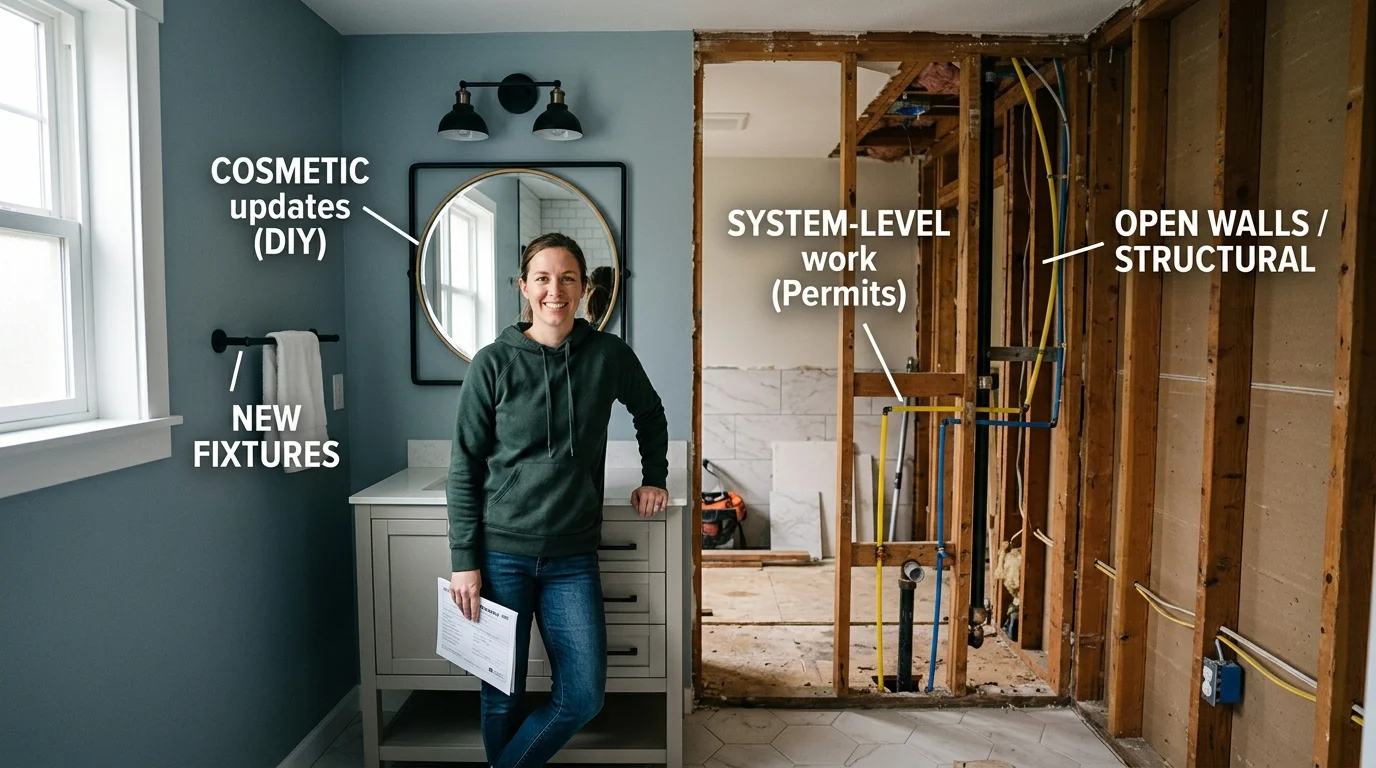
The line between a permit-free refresh and work that demands official approval comes down to one key distinction: are you changing your home's systems, or just its appearance?
Cosmetic updates typically don't require permits. Painting walls, replacing cabinet hardware, retiling surfaces in their existing locations, and swapping out fixtures like towel bars or mirrors fall into this category. According to Duetright Remodeling, cosmetic updates with a total cost under $6,000 within a six-month period generally don't trigger permit requirements in Seattle. A fresh coat of paint, new vanity cabinet (without plumbing changes), or decorative tile work on existing surfaces are straightforward projects you can often handle without city involvement.
Structural and systems work almost always requires permits. The moment you touch plumbing, electrical, ventilation, or the building's structure itself, you've crossed into regulated territory. Moving a toilet to a new location, installing a new shower or bathtub, upgrading ventilation, rewiring outlets, relocating walls, or modifying framing all demand permits. These changes affect your home's safety, water management, and electrical integrity—exactly what Seattle's building codes exist to protect.
The practical reality: if your project involves cutting into walls, running new pipes or wires, or relocating fixtures, assume it needs a permit. When in doubt, contact Seattle's Department of Construction & Inspections (SDCI) or consult with a licensed contractor who understands local code. Attempting to hide structural work from inspectors creates liability issues and can derail future sales. A small upfront permit investment prevents much larger headaches later.
Seattle Bathroom Remodel Permits: Types and What Each One Covers
Seattle's Department of Construction & Inspections requires different permits depending on the scope of your bathroom work. Understanding which permits apply to your project helps you budget accurately and avoid delays. Here's what you need to know about each type.
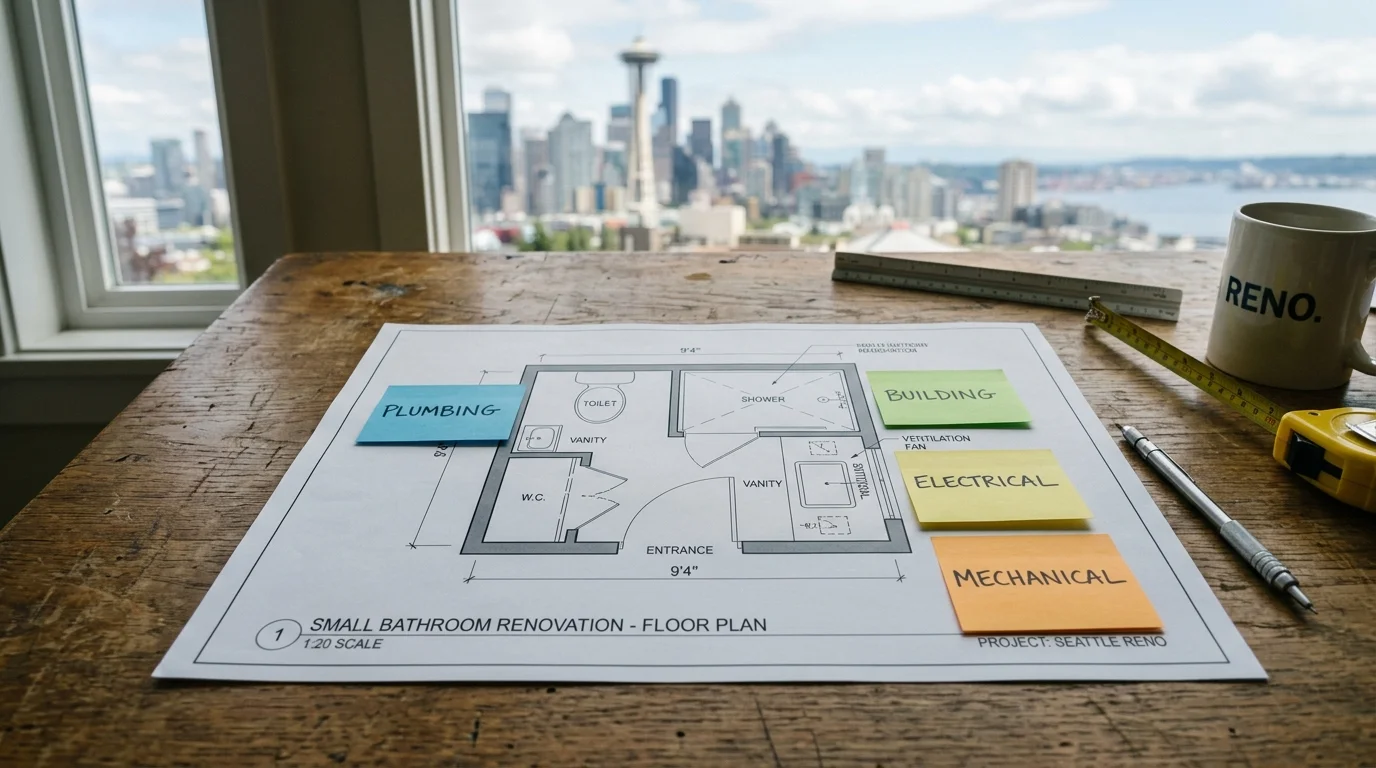
Building/Construction Permit is the umbrella permit required for most bathroom remodels. It covers structural changes like moving walls, relocating fixtures, or altering the room's footprint. This permit involves plan review and multiple inspections throughout the project. If your remodel touches anything structural—framing, load-bearing walls, or significant layout changes—you'll need this one. Processing typically takes 5–10 business days, though simpler projects may qualify for STFI (subject-to-field-inspection) permits, which according to United Signature, can be issued in as little as 1–2 days.
Plumbing Permit is mandatory whenever you install new pipes, relocate drains, or add fixtures like toilets, sinks, or showers. This includes moving a toilet to a different wall or upgrading to a new bathtub. The permit ensures your plumbing meets Seattle's code standards for slope, venting, and water pressure. A licensed plumber typically handles this application.
Electrical Permit applies to any new circuits, outlet installation, or lighting upgrades. If you're adding a heated floor, exhaust fan, or relocating outlets, you need this permit. It covers safety requirements for moisture-prone bathroom environments, including proper grounding and GFCI protection.
Mechanical Permit covers ventilation work—installing or upgrading exhaust fans, ductwork, or makeup air systems. Proper ventilation prevents mold and moisture damage, making this permit essential for code compliance.
| Permit Type | What It Covers | When Required |
|---|---|---|
| Building/Construction | Structural changes, layout modifications, wall relocation | Moving fixtures or altering room structure |
| Plumbing | New pipes, drains, fixture installation or relocation | Adding/moving toilets, sinks, showers, tubs |
| Electrical | New circuits, outlets, lighting, heated floors | Adding outlets, upgrading lighting, heated features |
| Mechanical | Exhaust fans, ductwork, ventilation upgrades | Installing or upgrading ventilation systems |
Most bathroom remodels require at least two or three of these permits simultaneously. A Bellevue bathroom remodel permit or Seattle project involving a complete gut renovation typically needs all four. Working with a licensed contractor streamlines the process—they know which permits apply and handle applications on your behalf, ensuring nothing falls through the cracks.
Seattle Bathroom Remodel Permit Timeline: How Long Does It Really Take?
Understanding the permit timeline is crucial for realistic project planning. The process isn't instantaneous, and knowing what to expect helps you budget both time and money accordingly.
Initial Application to First Review: 1–14 Days
Once you submit your permit application through the Seattle Services Portal, SDCI (Seattle Department of Construction and Inspections) begins their initial intake review. Simple projects—like adding a single exhaust fan without structural changes—can receive approval in 1–2 days as a streamlined STFI (Short Form Track I) permit. However, most bathroom remodels involve multiple trades and require full review, which typically takes 5–14 days before SDCI even begins substantive examination of your plans.
Substantive Review Period: 2–8 Weeks
This is where timelines extend significantly. According to United Signature's analysis of Seattle permit data, standard bathroom remodel permits typically require 2–8 weeks for initial review, with more complex renovations taking longer. SDCI reviewers examine structural plans, plumbing layouts, electrical schematics, and mechanical ventilation designs. If they find issues—missing details, code violations, or unclear specifications—they'll issue a Request for Information (RFI), and your timeline resets. This back-and-forth can add 1–3 weeks per round.
Inspections and Final Approval: 1–4 Weeks
After permit issuance, you'll schedule inspections at key stages: rough-in (framing, plumbing, electrical), final (all systems complete), and sometimes mid-stages depending on scope. Inspector availability varies seasonally; spring and summer see longer waits. Each inspection typically takes 1–3 days to schedule and complete.
Total Timeline Reality
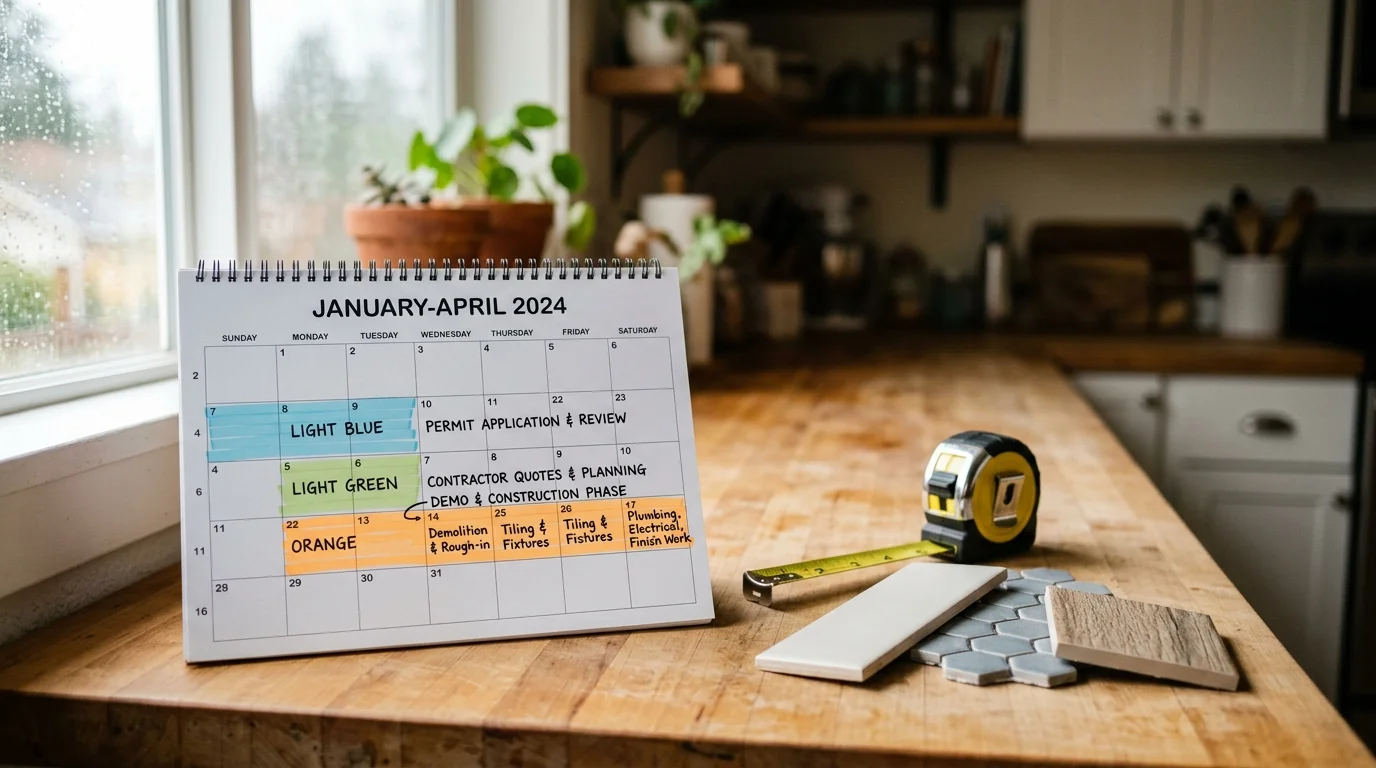
A straightforward bathroom remodel with permits takes 8–16 weeks from application to final sign-off. Complex projects involving structural changes or condo-specific requirements can stretch to 20+ weeks. Working with an experienced contractor who knows SDCI's expectations and submits complete, code-compliant plans dramatically reduces review cycles and keeps your project on track.
Permit Costs for Seattle Bathroom Remodels: What to Budget
Permit fees are a direct line item in your remodeling budget, and understanding them upfront prevents surprises down the road. Seattle's Department of Construction & Inspections (SDCI) structures fees based on your project's estimated construction cost—the higher the scope, the higher the fee. This approach means two homeowners with identical bathroom layouts might pay different permit amounts depending on material choices and labor estimates.
Building permits typically run 1.5% to 2% of your project cost. For a $50,000 bathroom remodel, expect $750 to $1,000 in building permit fees alone. However, according to 2025 SDCI data, standard bathroom remodels incur total permit fees ranging from $800 to $2,000 depending on complexity.
Plumbing and electrical permits add separately. As of January 2025, plumbing permits follow a simplified structure: a base fee of $132 plus $26 per fixture, replacing the previous per-fixture rate. Electrical permits typically cost $150–$400 depending on circuit additions and load calculations. Mechanical permits (for ventilation upgrades) run $100–$250.
You'll pay approximately 75% of total fees when your application is accepted, with the remainder due before permit issuance. This staged payment structure helps spread costs across the approval timeline.
For current, exact pricing, check Seattle's permit cost calculator or consult your contractor—they can estimate fees based on your specific project scope and help you budget realistically for the permitting phase.
Why Skipping Permits for Your Seattle Bathroom Remodel Is a Costly Mistake
The temptation to skip permits and save time is real—but it's a false economy that can cost you far more than the permit fees themselves. Seattle's Department of Construction & Inspections actively enforces permit requirements, and the consequences of unpermitted work extend well beyond a simple fine.
According to Duetright Remodeling, Seattle can impose fines of up to $500 per day for unpermitted work, along with stop-work orders that halt your entire project. If caught, you'll also face double the standard permit fees for retroactive approval—meaning you pay the price of permits anyway, plus penalties. The city can require you to tear out work that doesn't meet code, turning a $15,000 remodel into a $25,000 disaster.
Beyond fines, unpermitted bathroom work creates serious insurance vulnerabilities. Homeowner's insurance companies can deny claims for damages caused by unpermitted work, particularly fires or water damage stemming from faulty electrical or plumbing installations. This leaves you personally liable for repairs that could have been prevented with proper inspection.
When you sell your home, buyers' lenders will require disclosure of unpermitted work. This can kill the sale entirely or force you to pay for costly remediation before closing. Even if you don't sell immediately, the liability hangs over your property indefinitely.
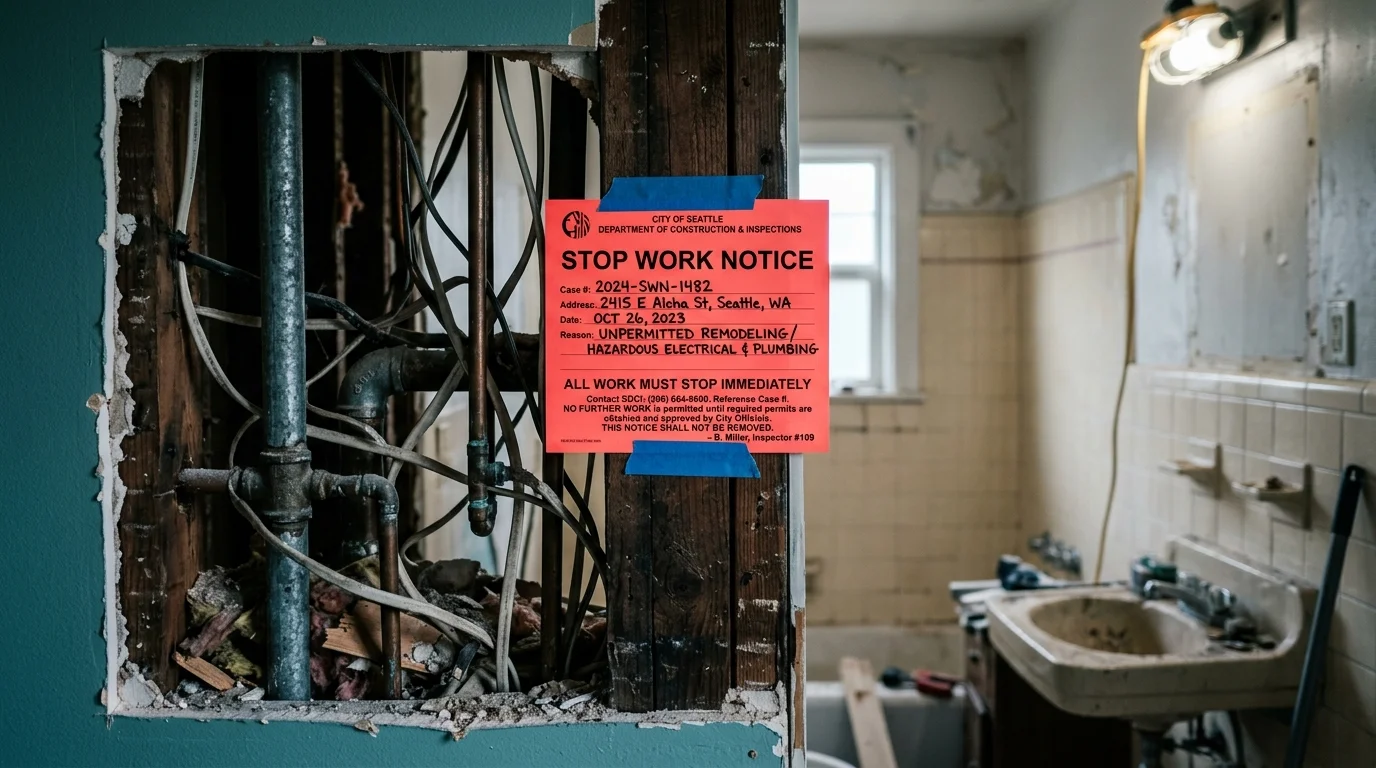
Permits exist to protect you. Inspectors catch dangerous wiring, inadequate ventilation, and code violations that could harm your family. The small upfront cost of permitting—typically $800 to $2,000—is insurance against far costlier problems down the line. Do the work right the first time.
How to Apply for Bathroom Remodel Permits in Seattle: Step-by-Step
Applying for a bathroom remodel permit in Seattle is straightforward once you understand the process. The Seattle Department of Construction & Inspections (SDCI) has streamlined the application workflow, and most homeowners can complete it within a few days if their documentation is in order. Here's how to navigate it from start to finish.
Step 1: Determine Which Permits You Actually Need
Before submitting anything, confirm whether your project requires permits at all. If you're only painting or replacing fixtures without touching plumbing or electrical systems, you may not need one. However, if your work involves structural changes, new plumbing lines, electrical upgrades, or ventilation modifications, permits are mandatory. Contact SDCI at (206) 684-8600 if you're uncertain—a five-minute phone call prevents wasted effort later.
Step 2: Prepare Your Documentation
Gather detailed plans showing the bathroom layout, fixture locations, plumbing routes, and electrical work. Include contractor information, material specifications, and proof of contractor licensing. SDCI requires these documents to assess code compliance before approval. Incomplete submissions get rejected, delaying your timeline by weeks.
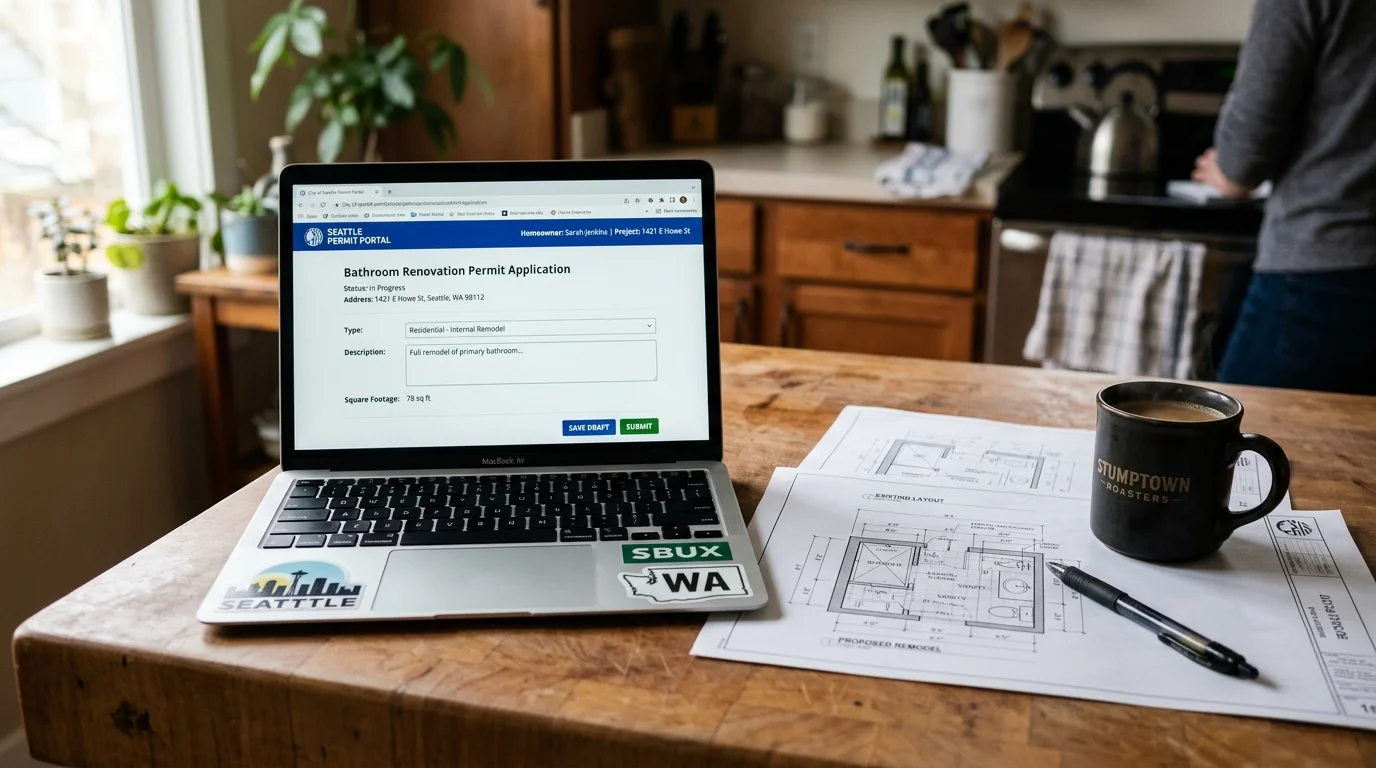
Step 3: Submit Your Application Online
According to SDCI's permit guidance, applications are submitted through the Seattle Services Portal at seattle.gov. Upload your plans, contractor details, and project scope. The portal generates a permit number immediately, though formal approval takes 5–10 business days for standard bathroom work.
Step 4: Pay Your Permit Fees
Fees are calculated based on project scope and typically range from $800 to $2,000. Payment is processed through the portal at submission. Keep your receipt—you'll need it to schedule inspections.
Step 5: Schedule Required Inspections
Once approved, SDCI assigns an inspector. You'll need rough-in inspections (before walls close) and a final inspection after completion. Schedule these through the portal or by calling SDCI. Inspectors verify code compliance and sign off on your work.
Step 6: Obtain Final Approval
After the final inspection passes, SDCI issues a Certificate of Occupancy or Completion. This document proves your bathroom work meets code and is essential for insurance claims and future home sales. Keep it with your home records indefinitely.
Final Thoughts: Getting Your Seattle Bathroom Remodel Permitted Correctly
Permits aren't bureaucratic obstacles—they're your protection. Any structural, plumbing, or electrical work in your Seattle bathroom requires formal approval from the Department of Construction & Inspections, and that requirement exists to ensure safety, code compliance, and property value protection. Skipping permits might seem like a shortcut, but it exposes you to fines, insurance denials, and serious complications when selling your home.
The permit process itself is straightforward when you understand it. From application to final inspection, a standard bathroom remodel permit timeline typically spans three to four weeks—manageable if you plan ahead. Costs are predictable, inspections are routine, and the paperwork is handled through Seattle's online portal. You're not navigating uncharted territory; you're following a proven system that thousands of homeowners complete successfully each year.
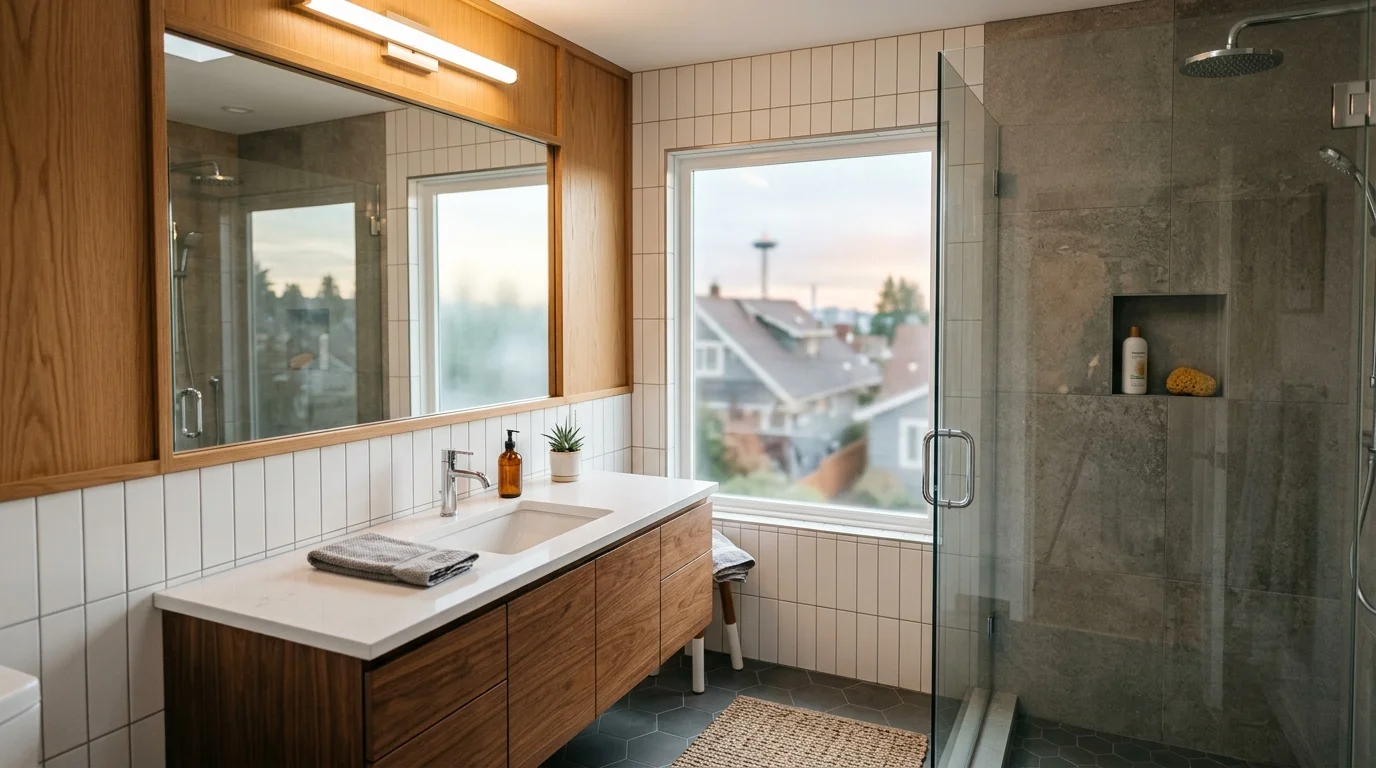
If the process feels overwhelming, you don't have to tackle it alone. Licensed contractors like PNW Standard Remodel handle permitting as part of their standard practice, turning what feels complicated into a transparent, managed process. Whether you're managing the project yourself or working with a professional, the key is starting early, submitting complete plans, and scheduling inspections promptly.
Your bathroom remodel deserves to be done right—not just aesthetically, but legally and safely. Get your permits, pass your inspections, and enjoy a renovation that adds real value to your Seattle home.